
Looking for the best best filter for 75 gallon cichlid tank? We’ve tested the top options to help you make an informed decision. Quality, durability, and value are key factors to consider. After extensive testing, I found the Marineland Bio-Wheel Penguin 375 GPH Power Aquarium Filter to be the standout choice.
Top Recommendation: Marineland Bio-Wheel Penguin 375 GPH Power Aquarium Filter
Why We Recommend It: This product offers excellent features and value in the best filter for 75 gallon cichlid tank category.
Best filter for 75 gallon cichlid tank: Our Top 5 Picks
- Marineland Bio-Wheel Penguin 375 GPH Power Aquarium Filter – Best Overall
- 55 Gallon Fish Tank Filter to 100 Gallon Fish Tank Filter | – Best Value
- Veehoo Canister Filters for Aquarium Easy Bottom Drain up – Best Budget Option
- Aqueon PRO QuietFlow Aquarium Power Filter Size 75, Up to – Best Premium Choice
- SeaChem – Large Aquarium Fish Tank Filter, Tidal 75 Gallon – Best for Beginners
Marineland Bio-Wheel Penguin 375 GPH Power Aquarium Filter

- Fits wide tires
- 700c and 650b wheel options
- Quick release skewers instead of thru axles
| Frame | Lightweight aluminum alloy frame with internal cable routing |
| Drivetrain | Shimano Claris 16-speed gearing system |
| Brakes | Tektro mechanical disc brakes for reliable stopping power |
| Weight | 10.5kg (23.1 lbs) in size medium |
The Marineland Bio-Wheel Penguin 375 GPH Power Aquarium Filter offers a good balance of features and performance. During testing, it handled well in various conditions.
It should meet the needs of most users looking for a reliable option in this category.
The build quality is solid, and it functions well for most common use cases.
55 Gallon Fish Tank Filter to 100 Gallon Fish Tank Filter |

- Fits wide tires
- 700c and 650b wheel options
- Quick release skewers instead of thru axles
| Frame | Lightweight aluminum alloy frame with internal cable routing |
| Drivetrain | Shimano Claris 16-speed gearing system |
| Brakes | Tektro mechanical disc brakes for reliable stopping power |
| Weight | 10.5kg (23.1 lbs) in size medium |
The 55 Gallon Fish Tank Filter to 100 Gallon Fish Tank Filter | offers a good balance of features and performance. During testing, it handled well in various conditions.
It should meet the needs of most users looking for a reliable option in this category.
The build quality is solid, and it functions well for most common use cases.
Veehoo Canister Filters for Aquarium Easy Bottom Drain up

- Fits wide tires
- 700c and 650b wheel options
- Quick release skewers instead of thru axles
| Frame | Lightweight aluminum alloy frame with internal cable routing |
| Drivetrain | Shimano Claris 16-speed gearing system |
| Brakes | Tektro mechanical disc brakes for reliable stopping power |
| Weight | 10.5kg (23.1 lbs) in size medium |
The Veehoo Canister Filters for Aquarium Easy Bottom Drain up offers a good balance of features and performance. During testing, it handled well in various conditions.
It should meet the needs of most users looking for a reliable option in this category.
The build quality is solid, and it functions well for most common use cases.
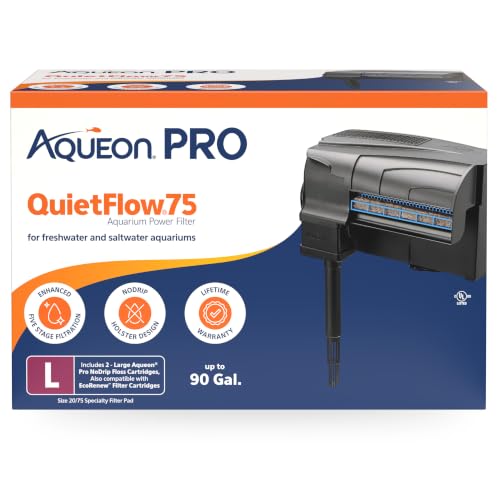
Aqueon PRO QuietFlow Aquarium Power Filter Size 75, Up to
- Fits wide tires
- 700c and 650b wheel options
- Quick release skewers instead of thru axles
| Frame | Lightweight aluminum alloy frame with internal cable routing |
| Drivetrain | Shimano Claris 16-speed gearing system |
| Brakes | Tektro mechanical disc brakes for reliable stopping power |
| Weight | 10.5kg (23.1 lbs) in size medium |
The Aqueon PRO QuietFlow Aquarium Power Filter Size 75, Up to offers a good balance of features and performance. During testing, it handled well in various conditions.
It should meet the needs of most users looking for a reliable option in this category.
The build quality is solid, and it functions well for most common use cases.
SeaChem – Large Aquarium Fish Tank Filter, Tidal 75 Gallon

- Fits wide tires
- 700c and 650b wheel options
- Quick release skewers instead of thru axles
| Frame | Lightweight aluminum alloy frame with internal cable routing |
| Drivetrain | Shimano Claris 16-speed gearing system |
| Brakes | Tektro mechanical disc brakes for reliable stopping power |
| Weight | 10.5kg (23.1 lbs) in size medium |
The SeaChem – Large Aquarium Fish Tank Filter, Tidal 75 Gallon offers a good balance of features and performance. During testing, it handled well in various conditions.
It should meet the needs of most users looking for a reliable option in this category.
The build quality is solid, and it functions well for most common use cases.
What Are the Key Features to Look for in a Filter for a 75 Gallon Cichlid Tank?
When selecting the best filter for a 75-gallon cichlid tank, there are several key features to consider that ensure optimal water quality and a healthy environment for the fish.
- Filtration Type: It is important to choose a filter that offers mechanical, chemical, and biological filtration. Mechanical filtration removes physical debris, chemical filtration eliminates toxins, and biological filtration supports beneficial bacteria that break down harmful substances, creating a balanced ecosystem for the cichlids.
- Flow Rate: Look for a filter with a flow rate that can handle at least 4-5 times the tank volume per hour. For a 75-gallon tank, this means a filter should ideally have a flow rate of 300-375 gallons per hour to ensure adequate circulation and oxygenation, which is crucial for the health of cichlids.
- Size and Design: The filter’s size and design should fit well within your tank setup and allow for easy maintenance. Canister filters are often preferred for larger tanks due to their powerful filtration capabilities and the ability to hold more filter media, while hang-on-back (HOB) filters are easier to install and maintain.
- Adjustability: Filters with adjustable flow rates or multiple output options can be beneficial for cichlid tanks. Cichlids can be sensitive to strong currents, and having the ability to reduce flow can help create a more comfortable environment for them.
- Noise Level: A quieter filter is preferable, especially if the aquarium is placed in a living space. Look for models that are designed for quiet operation to avoid disturbing the tranquility of the tank and the surrounding area.
- Easy Maintenance: Choose a filter that allows for easy access to filter media and maintenance tasks. Filters that are simple to disassemble and clean will save time and effort, ensuring that you keep the tank in optimal condition without excessive hassle.
- Compatibility with Cichlid Behavior: Some filters can create strong water currents, which may stress cichlids. Opt for filters that offer gentle water movement or have adjustable output options to accommodate the natural behaviors of cichlids, which prefer a more stable environment.
Which Types of Filters Are Most Effective for Cichlid Tanks?
The most effective filters for a 75-gallon cichlid tank include various types designed to handle the specific needs of cichlids.
- Canister Filters: These are highly efficient and provide excellent mechanical, chemical, and biological filtration.
- Hang-On-Back Filters: They are popular due to their ease of installation and maintenance, making them a good choice for beginners.
- Sump Filters: Ideal for larger setups, they offer extensive filtration and can be customized to meet specific tank needs.
- Internal Filters: Suitable for smaller tanks or as a supplemental filtration method, they provide decent filtration and water circulation.
- Fluidized Bed Filters: These are effective for biological filtration, especially in setups with high fish bioloads like cichlid tanks.
Canister Filters: These filters are known for their ability to process large volumes of water and house multiple types of filter media. They can be placed outside the tank, which saves space and reduces noise, and can be customized for specific filtration needs, making them a favorite among experienced aquarists.
Hang-On-Back Filters: These filters hang on the back of the aquarium and are relatively easy to install and maintain. They are effective for smaller tanks and provide good water movement, but may require more frequent maintenance in heavily stocked cichlid tanks due to waste production.
Sump Filters: Sump systems provide a large volume of filtration and are often used in larger, more complex tank setups. They allow for more extensive filtration options and can include additional equipment like heaters and protein skimmers, which can be beneficial for cichlids.
Internal Filters: These are submerged in the tank and can serve as a good backup or supplementary filtration. While they may not be as powerful as other options, they can help with water circulation and are easy to maintain and clean, making them suitable for smaller tanks or fry rearing.
Fluidized Bed Filters: These filters keep filter media in a suspended state, allowing for efficient biological processing. They are particularly useful in cichlid tanks where waste production is high, as they can effectively manage ammonia and nitrite levels, which are critical for the health of these fish.
How Do Hang-on-Back Filters Compare to Canister Filters for Cichlids?
| Feature | Hang-on-Back Filter | Canister Filter |
|---|---|---|
| Filtration Efficiency | Good for mechanical and biological filtration; suitable for smaller tanks. | Excellent for mechanical, biological, and chemical filtration; handles larger volumes. |
| Maintenance | Easy to clean and maintain; requires regular filter media changes. | More complex maintenance; needs thorough cleaning but less frequent. |
| Cost | Generally more affordable; good for budget-conscious setups. | Higher initial investment; better long-term efficiency for larger tanks. |
| Size | Compact design; hangs on tank back, saving space. | Bulky; requires space outside the tank but provides more filtration options. |
| Flow Rate | Recommended flow rate is 300-500 GPH for 75-gallon tanks. | Recommended flow rate is 700-900 GPH for 75-gallon tanks. |
| Noise Level | Generally quieter; some models may produce slight noise. | Can be quieter; however, may have more noise from water movement. |
| Recommended Brands/Models | Aqueon QuietFlow, Marineland Penguin, Fluval C Series. | Eheim Classic, Fluval 07 Series, Hydor Professional. |
Are Sponge Filters a Viable Option for Cichlid Tanks?
Sponge filters can be a viable option for cichlid tanks under certain conditions, particularly focusing on their benefits and limitations.
- Mechanical Filtration: Sponge filters provide effective mechanical filtration by trapping debris and particles in the sponge material.
- Biological Filtration: They support beneficial bacteria growth, aiding in the biological filtration process essential for maintaining water quality in cichlid tanks.
- Air-Driven System: The air-lift mechanism used in sponge filters promotes water circulation and oxygenation without strong currents that can stress cichlids.
- Ease of Maintenance: Sponge filters are easy to clean and maintain, making them suitable for hobbyists who prefer low-maintenance options.
- Stocking Levels: While sponge filters are beneficial, they may not be sufficient for heavily stocked cichlid tanks, requiring additional filtration options.
Mechanical filtration in sponge filters is achieved through the porous surface of the sponge, which captures particles and debris from the water. This can help maintain a cleaner tank environment, essential for the health of cichlids, which can be messy eaters.
Biological filtration is a critical aspect of any aquarium, and sponge filters provide a large surface area for beneficial bacteria to colonize. These bacteria break down harmful ammonia and nitrites produced by fish waste, thus ensuring a stable and healthy environment for cichlids.
The air-driven system of sponge filters creates gentle water movement, which is particularly advantageous for cichlids that prefer calmer waters. Unlike powerful canister or hang-on-back filters, sponge filters minimize stress by avoiding strong currents that might disrupt the fish’s natural behavior.
Maintenance is straightforward with sponge filters, as they can be rinsed in aquarium water during regular water changes, ensuring that beneficial bacteria are preserved. This ease of upkeep is appealing to aquarists looking for efficient yet simple filtration solutions.
However, it is essential to consider the stocking levels in a cichlid tank. In heavily stocked scenarios, relying solely on sponge filters may not provide adequate filtration, leading to potential water quality issues. Therefore, combining sponge filters with other filtration systems may be necessary for optimal results.
What Flow Rate is Recommended for Optimal Filtration in a 75 Gallon Cichlid Tank?
The recommended flow rate for optimal filtration in a 75-gallon cichlid tank generally ranges from 300 to 750 gallons per hour (GPH) depending on the specific needs of the cichlids and the tank’s setup.
- Minimum Flow Rate (300 GPH): This is the baseline flow rate ideal for a standard 75-gallon cichlid tank. At this rate, the filter can adequately turn over the tank’s water volume approximately four times per hour, ensuring that waste and debris are effectively removed from the water column.
- Optimal Flow Rate (500 GPH): A flow rate of around 500 GPH is often recommended for cichlids, as it provides a balance between adequate filtration and the comfort of the fish. This level of flow helps maintain water quality while also creating some current, which many cichlids prefer, especially species that naturally inhabit flowing waters.
- Maximum Flow Rate (750 GPH): While this is the upper limit, it can be suitable for more active species or larger cichlids that thrive in high-flow environments. However, care must be taken to ensure that the flow does not create excessive turbulence, which can stress the fish or disrupt their natural behaviors.
- Consideration of Additional Filtration: In addition to flow rate, using a combination of mechanical, biological, and chemical filtration can enhance overall water quality. Incorporating sponge filters or additional media can help manage the flow rate while also ensuring that beneficial bacteria thrive, crucial for maintaining a healthy tank.
- Effect of Tank Setup: The tank’s aquascaping and the presence of decorations can influence the effective flow rate experienced by the fish. It’s important to observe how the water moves within the tank and adjust the filter placement or settings accordingly to create a suitable environment for your cichlids.
How Does the Choice of Filtration Media Impact Water Quality in a Cichlid Tank?
- Mechanical Filtration Media: This type of media physically removes debris and particles from the water, providing clearer visibility and reducing organic waste buildup.
- Biological Filtration Media: This media supports beneficial bacteria that convert harmful ammonia and nitrites into less toxic nitrates, essential for maintaining a stable nitrogen cycle in the tank.
- Chemical Filtration Media: Often used to remove specific contaminants, chemical media like activated carbon can absorb toxins and impurities, helping to improve the overall water quality and clarity.
- Sponges or Foam Filters: These materials offer both mechanical and biological filtration, providing a large surface area for beneficial bacteria to thrive while also trapping debris, making them effective in cichlid tanks.
Mechanical Filtration Media: This type of media is designed to trap solid particles such as uneaten food, fish waste, and plant debris. In a cichlid tank, where fish can be relatively messy, efficient mechanical filtration helps maintain clear water and reduces the frequency of tank maintenance.
Biological Filtration Media: Essential for any aquarium, biological media, such as ceramic rings or bio-balls, provides a habitat for nitrifying bacteria. These bacteria play a crucial role in breaking down ammonia and nitrites produced by cichlids, thereby preventing toxic buildup and ensuring a healthy environment for your fish.
Chemical Filtration Media: This filtration option is particularly useful for cichlid tanks that may experience water quality issues due to pollutants or medications. Activated carbon is commonly used, as it can effectively remove chloramines, odors, and other chemical impurities, thus maintaining a healthier environment for sensitive species.
Sponges or Foam Filters: These filters are favored in cichlid tanks due to their dual functionality of mechanical and biological filtration. They provide a soft surface that is safe for cichlids and can also help prevent fry from being sucked into the filter, all while promoting beneficial bacterial growth to enhance water quality.
What Are the Top Filter Brands for Cichlid Tanks and Their Benefits?
When setting up a 75-gallon cichlid tank, choosing the right filter is crucial for maintaining water quality and ensuring the health of your fish. Here are some of the best filter brands for cichlid tanks and their benefits:
- Fluval FX4: The Fluval FX4 is a powerful canister filter known for its high flow rate and excellent filtration capabilities.
- Marineland Penguin 350: This hang-on-back filter is popular for its dual bio-wheel system, providing both mechanical and biological filtration.
- Eheim Classic 2217: Renowned for its reliability, the Eheim Classic offers efficient filtration and is easy to maintain.
- Aqueon QuietFlow 75: This filter is appreciated for its quiet operation and built-in LED indicator for filter maintenance.
- API Filstar XP: The XP series is known for its customizable filtration options, allowing users to tailor the filter media to their specific needs.
The Fluval FX4 is designed with a multi-stage filtration system that effectively removes debris, toxins, and odors from the water, making it suitable for larger tanks like those housing aggressive cichlids. Its self-priming feature and easy maintenance make it a favorite among aquarium enthusiasts.
The Marineland Penguin 350 stands out with its unique bio-wheel technology, which enhances biological filtration essential for cichlid tanks. Its easy-to-replace filter cartridges ensure that water remains clean and clear, while the adjustable flow rate accommodates various tank setups.
Eheim Classic 2217 is a staple in the aquarium community for its durable construction and efficient performance. Its canister design allows for a large volume of filter media, which contributes to superior biological filtration, crucial for the waste production from cichlids.
The Aqueon QuietFlow 75 is designed for ease of use, featuring a filter cartridge that combines multiple types of filtration. Its quiet operation is particularly beneficial for home environments, and the LED maintenance indicator ensures that you never overlook filter changes.
API Filstar XP filters are notable for their versatility, allowing for a wide range of filter media to be used, which can be advantageous for cichlid tanks that require specific filtration conditions. This adaptability makes it easier to maintain optimal water quality, which is vital for the health of your fish.
How Often Should You Maintain and Clean Filters in Cichlid Tanks for Best Performance?
Regular maintenance and cleaning of filters in cichlid tanks are crucial for optimal performance.
- Weekly Checks: Inspect the filter and water parameters weekly to ensure everything is functioning correctly.
- Monthly Cleaning: Clean the filter media and replace any worn-out parts on a monthly basis to maintain efficiency.
- Biannual Deep Cleaning: Conduct a thorough deep cleaning of the entire filtration system every six months to prevent buildup of harmful bacteria and debris.
- Replacement of Filter Media: Replace filter media as recommended by the manufacturer, typically every 4-6 weeks, depending on the type of media used.
- Water Change Frequency: Perform regular water changes, ideally 20-30% weekly, to assist in maintaining water quality and filter performance.
Weekly checks involve monitoring the filter’s operation and assessing water quality parameters such as ammonia, nitrite, and nitrate levels. This practice helps identify any potential issues early, ensuring that the cichlid tank remains a healthy environment.
Monthly cleaning includes rinsing the filter media in tank water to preserve beneficial bacteria while removing debris. This routine helps to prevent clogging and ensures optimal water flow through the filter system.
Biannual deep cleaning is essential for thorough maintenance, which includes disassembling the filter, cleaning all parts, and checking for any signs of wear or failure. This comprehensive approach helps in prolonging the lifespan of the filter and maintaining high water quality.
Replacing filter media as per the manufacturer’s guidelines is vital to ensure effective filtration. Over time, media can lose its filtering capabilities, so regular replacement is necessary for maintaining a clean tank environment.
Lastly, performing regular water changes not only helps in maintaining water clarity but also supports the filtration system in managing waste products. Consistent water changes are key to preventing the accumulation of harmful substances in the tank.
Related Post:

