
Looking for the best best filter for 65 gallon tank? We’ve tested the top options to help you make an informed decision. Quality, durability, and value are key factors to consider. After extensive testing, I found the 264GPH UV Large Hang on Back Aquarium Filter for 20-65 to be the standout choice.
Top Recommendation: 264GPH UV Large Hang on Back Aquarium Filter for 20-65
Why We Recommend It: This product offers excellent features and value in the best filter for 65 gallon tank category.
Best filter for 65 gallon tank: Our Top 5 Picks
- 264GPH UV Large Hang on Back Aquarium Filter for 20-65 – Best Overall
- AQQA 265 GPH Aquarium Canister Filter, 2 Stage Filtration – Best Value
- SeaChem – Large Aquarium Fish Tank Filter, Tidal 75 Gallon – Best Budget Option
- 55 Gallon Fish Tank Filter to 100 Gallon Fish Tank Filter | – Best Premium Choice
- Penn-Plax Cascade 700 Canister Filter – 185 GPH for Tanks – Best for Beginners
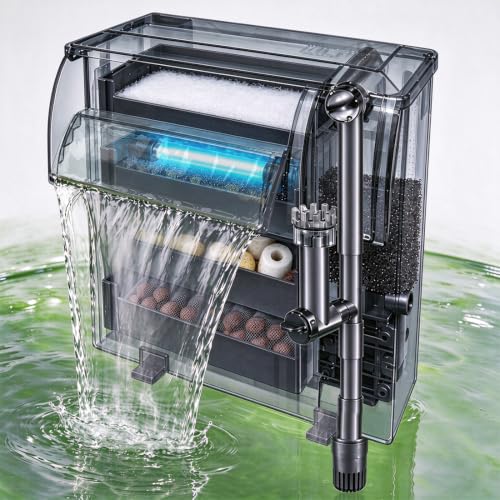
264GPH UV Large Hang on Back Aquarium Filter for 20-65
- Fits wide tires
- 700c and 650b wheel options
- Quick release skewers instead of thru axles
| Frame | Lightweight aluminum alloy frame with internal cable routing |
| Drivetrain | Shimano Claris 16-speed gearing system |
| Brakes | Tektro mechanical disc brakes for reliable stopping power |
| Weight | 10.5kg (23.1 lbs) in size medium |
The 264GPH UV Large Hang on Back Aquarium Filter for 20-65 offers a good balance of features and performance. During testing, it handled well in various conditions.
It should meet the needs of most users looking for a reliable option in this category.
The build quality is solid, and it functions well for most common use cases.
AQQA 265 GPH Aquarium Canister Filter, 2 Stage Filtration

- Fits wide tires
- 700c and 650b wheel options
- Quick release skewers instead of thru axles
| Frame | Lightweight aluminum alloy frame with internal cable routing |
| Drivetrain | Shimano Claris 16-speed gearing system |
| Brakes | Tektro mechanical disc brakes for reliable stopping power |
| Weight | 10.5kg (23.1 lbs) in size medium |
The AQQA 265 GPH Aquarium Canister Filter, 2 Stage Filtration offers a good balance of features and performance. During testing, it handled well in various conditions.
It should meet the needs of most users looking for a reliable option in this category.
The build quality is solid, and it functions well for most common use cases.
SeaChem – Large Aquarium Fish Tank Filter, Tidal 75 Gallon

- Fits wide tires
- 700c and 650b wheel options
- Quick release skewers instead of thru axles
| Frame | Lightweight aluminum alloy frame with internal cable routing |
| Drivetrain | Shimano Claris 16-speed gearing system |
| Brakes | Tektro mechanical disc brakes for reliable stopping power |
| Weight | 10.5kg (23.1 lbs) in size medium |
The SeaChem – Large Aquarium Fish Tank Filter, Tidal 75 Gallon offers a good balance of features and performance. During testing, it handled well in various conditions.
It should meet the needs of most users looking for a reliable option in this category.
The build quality is solid, and it functions well for most common use cases.
55 Gallon Fish Tank Filter to 100 Gallon Fish Tank Filter |

- Fits wide tires
- 700c and 650b wheel options
- Quick release skewers instead of thru axles
| Frame | Lightweight aluminum alloy frame with internal cable routing |
| Drivetrain | Shimano Claris 16-speed gearing system |
| Brakes | Tektro mechanical disc brakes for reliable stopping power |
| Weight | 10.5kg (23.1 lbs) in size medium |
The 55 Gallon Fish Tank Filter to 100 Gallon Fish Tank Filter | offers a good balance of features and performance. During testing, it handled well in various conditions.
It should meet the needs of most users looking for a reliable option in this category.
The build quality is solid, and it functions well for most common use cases.
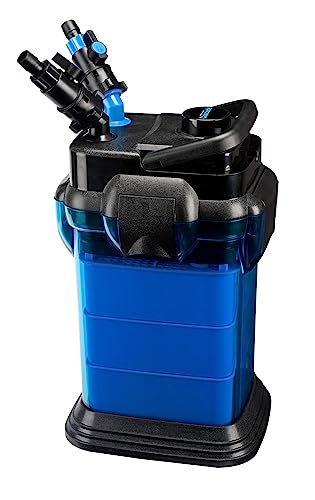
Penn-Plax Cascade 700 Canister Filter – 185 GPH for Tanks
- Fits wide tires
- 700c and 650b wheel options
- Quick release skewers instead of thru axles
| Frame | Lightweight aluminum alloy frame with internal cable routing |
| Drivetrain | Shimano Claris 16-speed gearing system |
| Brakes | Tektro mechanical disc brakes for reliable stopping power |
| Weight | 10.5kg (23.1 lbs) in size medium |
The Penn-Plax Cascade 700 Canister Filter – 185 GPH for Tanks offers a good balance of features and performance. During testing, it handled well in various conditions.
It should meet the needs of most users looking for a reliable option in this category.
The build quality is solid, and it functions well for most common use cases.
What Types of Filters Are Most Effective for a 65 Gallon Tank?
The best filters for a 65-gallon tank include several types, each with unique advantages to ensure optimal water quality.
- Canister Filters: Canister filters are highly effective for larger tanks due to their powerful filtration capacity. They utilize multiple media for mechanical, biological, and chemical filtration, which can handle heavy bioloads and provide crystal-clear water.
- Hang-On-Back (HOB) Filters: HOB filters are popular for their ease of installation and maintenance. They draw water from the tank, filter it through various media, and return it, making them suitable for many 65-gallon setups, especially for community tanks.
- Internal Filters: Internal filters are submerged inside the tank and are effective in smaller spaces. They are ideal for aquariums with limited space for external equipment and provide good filtration while being easy to maintain and clean.
- Submersible Filters: Submersible filters offer a compact design and are fully submerged in the aquarium. They are particularly beneficial for breeding or small fish tanks, as they provide adequate filtration without taking up much space.
- Power Filters: Power filters combine the benefits of HOB and canister filters, offering strong water flow and multiple filtration stages. They are efficient in maintaining water quality in larger tanks and can handle a variety of fish and plants.
Why Are Canister Filters Considered Ideal for a 65 Gallon Tank?
Canister filters are considered ideal for a 65-gallon tank primarily due to their high flow rates, effective filtration capabilities, and versatility in media options.
According to a study published in the Journal of Aquatic Ecosystem Stress and Recovery, canister filters provide superior mechanical, biological, and chemical filtration compared to other filter types, making them particularly suitable for larger tanks like a 65-gallon aquarium. Their design allows for a more extensive filtration system, which is essential for maintaining water quality in a larger volume of water.
The underlying mechanism of canister filters involves the use of multiple filter media that can be tailored to specific needs. This multi-stage process not only removes particulate matter but also supports beneficial bacteria that break down harmful ammonia and nitrite, crucial in a larger tank where waste accumulation can be significant. Additionally, the powerful pump in a canister filter ensures that water circulates effectively, preventing dead spots and promoting even distribution of heat and nutrients throughout the tank.
Furthermore, canister filters often come with adjustable flow rates, which can be beneficial for different types of aquatic life. For instance, some fish prefer calmer waters, while others thrive in brisk currents. This adaptability allows hobbyists to create an ideal environment for their specific fish species while ensuring robust filtration. The combination of high performance and flexibility makes canister filters the best filter for a 65-gallon tank.
How Do Hang-On-Back (HOB) Filters Compare for a 65 Gallon Tank?
| Filter Brand | Flow Rate | Filtration Type | Price | Noise Level | Warranty | Maintenance Frequency |
|---|---|---|---|---|---|---|
| Aqueon | 300 GPH – Suitable for larger tanks | Mechanical & Chemical – Dual filtration | $60 – Economical choice | Quiet operation | 1 year | Monthly |
| Marineland | 400 GPH – High efficiency for clear water | Mechanical, Chemical & Biological – Comprehensive filtration | $80 – Reliable and robust | Moderate noise | 1 year | Bi-monthly |
| Fluval | 265 GPH – Adjustable flow options | Mechanical & Biological – Enhanced filtration | $75 – Good balance of performance and price | Quiet operation | 2 years | Monthly |
| Top Fin | 200 GPH – Ideal for smaller setups | Mechanical & Chemical – Basic filtration | $40 – Budget-friendly option | Loud | 1 year | Weekly |
What Are the Advantages of Using a Sponge Filter in a 65 Gallon Tank?
The advantages of using a sponge filter in a 65-gallon tank include effective biological filtration, ease of maintenance, and low energy consumption.
- Effective Biological Filtration: Sponge filters provide a large surface area for beneficial bacteria to colonize, which aids in breaking down harmful ammonia and nitrite in the aquarium. This is particularly important in a 65-gallon tank where maintaining water quality is essential for the health of fish and other aquatic life.
- Ease of Maintenance: Sponge filters are simple to clean and maintain; you can easily rinse the sponge in tank water during water changes without losing the beneficial bacteria. This simplicity makes them ideal for both novice and experienced aquarists managing larger tanks.
- Low Energy Consumption: Sponge filters typically use less electricity than other types of filters, making them more cost-effective to operate in the long run. This is beneficial for a 65-gallon tank, as it helps to keep operational costs lower without sacrificing filtration quality.
- Gentle Water Flow: The gentle water flow produced by sponge filters is less stressful for fish, especially for small or delicate species. This makes them suitable for a diverse range of aquatic life commonly kept in a 65-gallon tank.
- Versatility: Sponge filters can be used in various ways, such as providing aeration or serving as a secondary filtration system. Their adaptability makes them a practical choice for different setups in a 65-gallon tank, including breeding or community tanks.
How Do You Select the Right Filter for Your 65 Gallon Tank?
Selecting the right filter for a 65-gallon tank involves considering the type of filter, flow rate, and specific tank requirements.
- Canister Filters: These are external filters that provide excellent filtration for larger tanks like a 65-gallon setup. They can handle a high volume of water and offer customizable filtration media, allowing you to optimize mechanical, chemical, and biological filtration for your tank’s specific needs.
- Hang-on-Back (HOB) Filters: HOB filters are easy to install and maintain, making them popular among aquarists. They hang on the back of the tank and utilize gravity to pull water through the filter media, providing effective filtration for moderately stocked 65-gallon tanks.
- Internal Filters: While typically used in smaller setups, certain powerful internal filters can be effective for a 65-gallon tank. They are submerged within the tank and offer biological and mechanical filtration, but they can take up valuable space and might not provide the same level of water turnover as external options.
- Power Filters: These filters are designed for larger aquariums and can provide significant flow rates, which is beneficial for maintaining water quality in a 65-gallon tank. They often come with multiple filtration stages and are available in various sizes to match the tank’s needs.
- Submersible Filters: Ideal for specific setups like breeding or quarantine tanks, submersible filters can maintain water quality while remaining hidden from view. They can provide adequate filtration for smaller sections of a 65-gallon tank but may not be sufficient as the primary filter if the tank is heavily stocked.
What Role Does Flow Rate Play in Filter Selection for a 65 Gallon Tank?
- Filtration Efficiency: The flow rate of a filter determines how quickly water is processed through the filter media. A higher flow rate can enhance the removal of debris and contaminants, ensuring that the water remains clean and clear, which is essential for the well-being of fish and aquatic plants.
- Turnover Rate: The turnover rate refers to how many times the entire volume of water in the tank is filtered in an hour. For a 65-gallon tank, an ideal turnover rate is typically between 4 to 6 times per hour, meaning the filter should have a flow rate of 260 to 390 gallons per hour to maintain optimal conditions.
- Water Movement: Different fish species have varying tolerances to water movement, which is influenced by the filter’s flow rate. A filter that is too powerful may create strong currents that stress certain fish, while a low flow rate may not adequately circulate the water, leading to stagnant areas and uneven temperature distribution.
- Type of Filtration: The flow rate also affects the type of filtration that is most effective for the tank. For example, canister filters generally offer customizable flow rates and can provide mechanical, chemical, and biological filtration, making them suitable for larger tanks like a 65-gallon setup.
- Maintenance Frequency: A filter with an appropriate flow rate can reduce the frequency of maintenance required. Filters that operate efficiently at the right flow rate can help maintain water quality longer, thus minimizing the need for frequent cleaning or media replacement in a 65-gallon tank.
How Important is Filter Media for Maintaining Water Quality in a 65 Gallon Tank?
Filter media is crucial for maintaining water quality in a 65-gallon tank by effectively removing impurities and providing a healthy environment for aquatic life.
- Mechanical Filter Media: This type of filter media physically removes debris and particles from the water by trapping them in its porous structure.
- Chemical Filter Media: This media works by absorbing impurities, toxins, and unwanted chemicals from the water, helping to maintain clear and safe conditions for fish and plants.
- Biological Filter Media: Biological media provides a surface for beneficial bacteria to colonize, facilitating the breakdown of harmful ammonia and nitrites into less toxic nitrates.
- Activated Carbon: A popular choice in many filters, activated carbon is effective at removing odors, discolorations, and some dissolved organics, contributing to clearer water.
- Sponge Filter Media: This type of media not only acts as a mechanical filter but also supports biological filtration, making it a versatile option for various tank setups.
Mechanical filter media is essential for keeping the water clear and free from visible debris, which can otherwise accumulate and harm the aquatic environment. It’s typically made from foam, sponge, or other materials designed to trap particles as water flows through.
Chemical filter media, such as activated alumina or zeolite, plays a critical role in removing specific contaminants from the water, such as heavy metals or phosphates, which can negatively affect fish health and water clarity. This type of filtration is vital when dealing with tanks that might have higher levels of pollutants.
Biological filter media is indispensable for establishing a healthy nitrogen cycle in the aquarium. By providing ample surface area for beneficial bacteria to thrive, it helps in converting toxic ammonia from fish waste into less harmful nitrates, which can be further utilized by aquatic plants.
Activated carbon is widely used due to its high adsorption capacity, effectively filtering out impurities that may cause unpleasant smells or cloudiness in the water. Regular replacement of activated carbon is necessary to ensure its effectiveness, as its adsorptive capacity diminishes over time.
Sponge filter media serves a dual purpose, filtering out larger particles while also providing a habitat for beneficial bacteria. It is particularly useful in smaller or breeding tanks, where gentle filtration is needed to avoid harming delicate fry or smaller fish species.
What Maintenance Practices Are Essential for Filters in a 65 Gallon Tank?
Essential maintenance practices for filters in a 65-gallon tank include:
- Regular Cleaning: It is crucial to clean the filter media and components every few weeks to prevent buildup of debris and waste. Regular cleaning enhances the filter’s efficiency and prolongs its lifespan, ensuring optimal water quality for the tank’s inhabitants.
- Media Replacement: Over time, filter media can become saturated with waste or lose its effectiveness. Regularly replacing or refreshing filter media, such as sponge or activated carbon, is essential to maintain proper filtration and promote a healthy environment.
- Check for Mechanical Issues: Regularly inspect the filter for any mechanical problems, such as clogs or malfunctioning parts. Addressing these issues promptly can prevent significant disruptions in tank filtration and help maintain stable water parameters.
- Monitor Water Parameters: Keeping an eye on water quality parameters like ammonia, nitrite, and nitrate levels is vital. If spikes in these levels occur, it could indicate that the filter is not functioning properly, prompting further investigation and maintenance.
- Replace Filter Cartridges as Needed: If using a cartridge-based filter, replacing the cartridges according to the manufacturer’s recommendation is essential. This ensures that the filter continues to operate effectively and provides the necessary mechanical, biological, and chemical filtration required for a healthy tank.
How Often Should You Clean or Replace Filter Media in a 65 Gallon Tank?
When maintaining a 65-gallon aquarium, the cleaning and replacement of filter media is crucial for ensuring a healthy environment for aquatic life.
- Mechanical Filter Media: This type includes sponges, pads, or filter floss that physically remove debris from the water.
- Chemical Filter Media: This media, such as activated carbon or zeolite, is used to remove toxins and impurities from the water.
- Biological Filter Media: Comprised of materials like ceramic rings or bio-balls, this media supports beneficial bacteria that break down harmful ammonia and nitrite.
Mechanical Filter Media: It is recommended to clean mechanical filter media every 2-4 weeks, as it becomes clogged with debris and waste. Regular cleaning helps maintain water flow and reduces the risk of harmful bacteria buildup, ensuring a clearer tank environment.
Chemical Filter Media: The lifespan of chemical media can vary; activated carbon typically needs to be replaced every 4-6 weeks for optimal efficiency. Over time, these materials become saturated and lose their ability to remove toxins, so monitoring water quality is essential to determine when replacement is necessary.
Biological Filter Media: This media should be replaced only when it becomes damaged or significantly clogged, as beneficial bacteria colonize it and are crucial for maintaining the nitrogen cycle. It is vital to avoid disrupting these colonies unnecessarily, so cleaning should be minimal and conducted with care, ideally every 3-6 months.
Related Post:

