
Looking for the best best fish to eat brown algae 10.gallon? We’ve tested the top options to help you make an informed decision. Quality, durability, and value are key factors to consider. After extensive testing, I found the Aquaticheavens Longfin Bristlenose Pleco 2″ – Aquarium to be the standout choice.
Top Recommendation: Aquaticheavens Longfin Bristlenose Pleco 2″ – Aquarium
Why We Recommend It: This product offers excellent features and value in the best fish to eat brown algae 10.gallon category.
Best fish to eat brown algae 10.gallon: Our Top 2 Picks
- Aquaticheavens Longfin Bristlenose Pleco 2″ – Aquarium – Best Overall
- API Algae Eater Pea Protein Natural Pre-Biotic Algae Wafer – Best Value
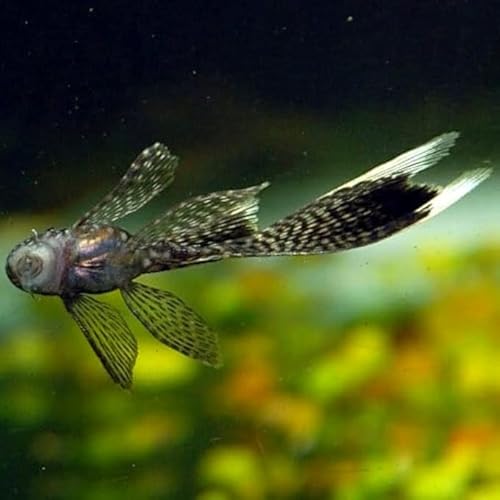
Aquaticheavens Longfin Bristlenose Pleco 2″ – Aquarium
- Fits wide tires
- 700c and 650b wheel options
- Quick release skewers instead of thru axles
| Frame | Lightweight aluminum alloy frame with internal cable routing |
| Drivetrain | Shimano Claris 16-speed gearing system |
| Brakes | Tektro mechanical disc brakes for reliable stopping power |
| Weight | 10.5kg (23.1 lbs) in size medium |
The Aquaticheavens Longfin Bristlenose Pleco 2″ – Aquarium offers a good balance of features and performance. During testing, it handled well in various conditions.
It should meet the needs of most users looking for a reliable option in this category.
The build quality is solid, and it functions well for most common use cases.
API Algae Eater Pea Protein Natural Pre-Biotic Algae Wafer

- Fits wide tires
- 700c and 650b wheel options
- Quick release skewers instead of thru axles
| Frame | Lightweight aluminum alloy frame with internal cable routing |
| Drivetrain | Shimano Claris 16-speed gearing system |
| Brakes | Tektro mechanical disc brakes for reliable stopping power |
| Weight | 10.5kg (23.1 lbs) in size medium |
The API Algae Eater Pea Protein Natural Pre-Biotic Algae Wafer offers a good balance of features and performance. During testing, it handled well in various conditions.
It should meet the needs of most users looking for a reliable option in this category.
The build quality is solid, and it functions well for most common use cases.
What Types of Fish Are Best for Eating Brown Algae?
The best fish for eating brown algae in a 10-gallon aquarium include various species known for their algae-eating habits.
- Otocinclus Catfish: These small, peaceful fish are excellent for controlling brown algae in a 10-gallon tank.
- Siamese Algae Eater: This fish is effective at eating various types of algae, including brown algae, and can thrive in a 10-gallon environment.
- Common Pleco: Although they can grow larger, baby common plecos can be suitable for a 10-gallon tank while helping to keep algae in check.
- Cherry Shrimp: While not fish, these shrimp are great at consuming brown algae and can coexist well with small fish in a 10-gallon setup.
- Amano Shrimp: Similar to Cherry Shrimp, Amano Shrimp are efficient algae eaters and can help manage brown algae levels in your tank.
Otocinclus Catfish are small, gentle fish that usually stay under 2 inches in length. They are social creatures that thrive in groups and prefer to nibble on soft algae and biofilm, making them ideal for keeping your aquarium clean.
The Siamese Algae Eater, reaching up to 6 inches, is a hardy fish that is particularly known for its appetite for brown algae. They are active swimmers and can adapt well to a 10-gallon tank if kept singly or in small groups of juveniles.
Common Plecos are popular for their algae-eating capabilities, especially when young. While they can grow quite large, the juvenile stage is suitable for a 10-gallon tank, and they can effectively consume brown algae until they require a larger environment.
Cherry Shrimp, though not fish, are fantastic little cleaners that thrive in a 10-gallon tank. They can help control brown algae while adding color and activity to your aquarium, making them a great addition to a community tank.
Amano Shrimp are larger than Cherry Shrimp and are also excellent at eating brown algae. They are known for their effective cleanup abilities and can coexist peacefully with small fish in a 10-gallon aquarium, contributing to a balanced ecosystem.
Which Fish are Most Effective at Controlling Brown Algae?
The best fish for controlling brown algae in a 10-gallon aquarium are:
- Otocinclus Catfish: These small, peaceful fish are excellent algae eaters and thrive in small tanks.
- Siamese Algae Eater: Known for their appetite for various algae, these fish are effective in controlling brown algae and are relatively hardy.
- Twig Catfish: This unique-looking fish not only adds aesthetic value but also helps keep algae in check, particularly in smaller setups.
- Chinese Algae Eater: While a bit more aggressive as they mature, these fish can effectively reduce brown algae populations in a community tank.
- Snails (e.g., Nerite Snails): Though not fish, they are worth mentioning as they are excellent algae consumers and do well in a 10-gallon tank.
Otocinclus Catfish: These fish are small, typically growing to about 2 inches, and are gentle, making them suitable for community tanks. They have a voracious appetite for algae, including brown algae, and prefer to be kept in groups, which enhances their grazing behavior.
Siamese Algae Eater: Ranging from 6 to 7 inches in size, these fish are known for their impressive algae-eating capabilities, particularly when young. They can live for several years and require a bit more swimming space, so ensure that the tank is adequately decorated with hiding spots.
Twig Catfish: These fish are interesting due to their camouflaged appearance and can help control algae while adding a unique visual element to your aquarium. Growing to about 4 inches, they prefer to be kept in groups and thrive in tanks with plenty of plant cover and driftwood.
Chinese Algae Eater: Although they can become territorial as they mature, young Chinese algae eaters are great at consuming brown algae. They can reach sizes of up to 10 inches, so it’s important to monitor their growth and consider their compatibility with other tank mates.
Snails (e.g., Nerite Snails): While not fish, Nerite snails are highly effective in controlling algae, including brown algae, and are a great addition to a 10-gallon tank. They are small, do not reproduce excessively in freshwater, and are known for their ability to consume algae without harming plants or decorations.
What are the Ideal Water Conditions for These Fish?
The pH level affects fish health, as extreme pH fluctuations can lead to stress and disease, hence keeping it stable is essential for the fish’s well-being.
Water hardness impacts the osmoregulation processes of the fish; ensuring it remains within the recommended range supports their physiological functions.
Filtration not only removes waste and toxins but also helps oxygenate the water, which is vital for both fish and beneficial bacteria that aid in breaking down leftover food and algae.
Moderate lighting is important for controlling brown algae growth without promoting excessive algae blooms, creating a healthier aquarium ecosystem.
How Can You Care for Algae-Eating Fish in a 10-Gallon Tank?
Caring for algae-eating fish in a 10-gallon tank requires selecting the right species and ensuring their environment meets their needs.
- Otocinclus Catfish: These small, peaceful fish are excellent at consuming brown algae and thrive in groups. They prefer heavily planted tanks with plenty of hiding spots and require a stable environment with good water quality.
- Siamese Algae Eater: Known for their ability to consume various types of algae, including brown algae, these fish can grow larger than other algae eaters, so they should be monitored closely in a 10-gallon tank. They are active swimmers and appreciate having space to roam, along with a balanced diet that includes algae wafers and blanched vegetables.
- Common Pleco: While they can grow quite large, juvenile common plecos can be kept in a 10-gallon tank for a limited time. They are voracious algae eaters but will require frequent water changes and a diet that includes more than just algae as they mature.
- Twig Catfish: These fish are not only effective at eating brown algae, but they also have a unique appearance that can enhance your tank’s aesthetics. They thrive in well-planted tanks and prefer to have driftwood or similar structures to mimic their natural habitat.
- Red Cherry Shrimp: Although not fish, these small shrimp are fantastic at cleaning up brown algae and are easy to care for in a 10-gallon setup. They breed readily and contribute to the tank’s ecosystem, but they require stable water conditions and hiding places to feel secure.
What Nutritional Needs Do Algae-Eating Fish Have?
Protein: While algae forms a significant part of their diet, fish also need protein for muscle development and energy. Protein sources can include high-quality flakes or pellets specifically designed for herbivorous fish, ensuring they receive adequate amino acids for proper growth.
Vitamins and Minerals: Essential vitamins, particularly Vitamin C, and minerals like calcium are vital for the health of algae-eating fish. These nutrients can sometimes be lacking in a diet solely focused on algae, so it’s beneficial to include supplements or specially formulated foods that provide these nutrients.
Algae-Based Foods: Commercial algae wafers are highly recommended as they are formulated to meet the dietary needs of algae-eating fish. These foods often contain a blend of various algae types, ensuring that fish receive the proper nutrients while also enjoying their preferred food source.
Variety in Diet: Feeding algae-eating fish a diverse diet including both algae-based and protein-rich foods can prevent nutritional deficiencies and keep the fish healthy. Rotating their diet with different types of food can also stimulate their natural feeding behaviors and enhance their well-being in an aquarium environment.
How Often Should You Feed Fish That Consume Brown Algae?
Observation-based feeding allows aquarists to tailor the diet based on the fish’s condition and tank environment. Monitoring if the fish appear hungry or if there is excessive algae growth can guide adjustments in feeding frequency to ensure a balanced diet that fosters health and longevity.
What Are Other Effective Methods to Reduce Brown Algae in Your Tank?
There are several effective methods to reduce brown algae in your aquarium.
- Aquatic Herbivores: Introducing fish and invertebrates that feed on algae can significantly help control brown algae growth.
- Improved Filtration: Upgrading your filtration system can enhance water quality and reduce nutrient levels that encourage algae growth.
- Lighting Adjustments: Modifying the duration and intensity of your tank’s lighting can limit algae proliferation.
- Regular Maintenance: Consistent water changes and tank cleanings can help keep nutrient levels low and reduce algae buildup.
- Competitive Planting: Adding live plants can outcompete algae for nutrients and light, effectively reducing its presence.
Aquatic Herbivores: Species such as otocinclus catfish, certain species of snails, and shrimps like Amano shrimp are excellent choices for a 10-gallon tank. These creatures actively graze on algae, helping to keep it in check while also adding diversity to your aquarium’s ecosystem.
Improved Filtration: A good filtration system helps keep the water clean by removing organic waste and excess nutrients that algae thrive on. Consider using a filter suitable for a 10-gallon tank that provides both mechanical and biological filtration to maintain optimal water quality.
Lighting Adjustments: Algae often flourishes under prolonged exposure to light. Reducing the amount of time lights are on each day or switching to a low-intensity LED light can help create an environment less conducive to algae growth.
Regular Maintenance: Performing weekly water changes of about 10-20% can help dilute excess nutrients in the water. Additionally, regular cleaning of the tank walls and substrate will physically remove algae and prevent it from becoming a larger issue.
Competitive Planting: Introducing fast-growing plants such as hornwort or water sprite can help absorb nutrients before algae can utilize them. By establishing a robust plant community, you create a more balanced ecosystem that limits algae’s ability to thrive.
Related Post:

