
Looking for the best best fish to eat brown algae? We’ve tested the top options to help you make an informed decision. Quality, durability, and value are key factors to consider. After extensive testing, I found the Neat&Tidy Chinese Algae Eater – Aquarium Exotic Freshwater to be the standout choice.
Top Recommendation: Neat&Tidy Chinese Algae Eater – Aquarium Exotic Freshwater
Why We Recommend It: This product offers excellent features and value in the best fish to eat brown algae category.
Best fish to eat brown algae: Our Top 2 Picks
- Neat&Tidy Chinese Algae Eater – Aquarium Exotic Freshwater – Best Overall
- Neat&Tidy Otocinclus catfish – Aquarium Exotic Freshwater – Best Value
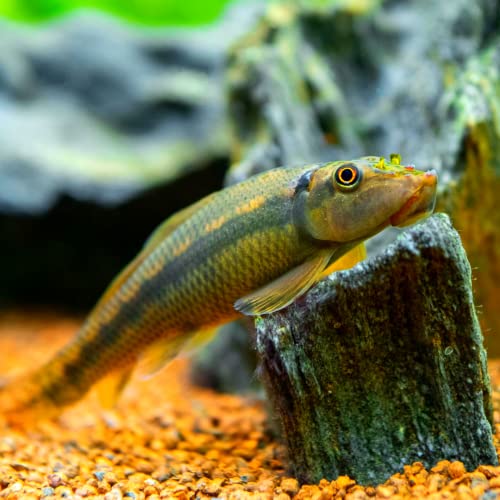
Neat&Tidy Chinese Algae Eater – Aquarium Exotic Freshwater
- Fits wide tires
- 700c and 650b wheel options
- Quick release skewers instead of thru axles
| Frame | Lightweight aluminum alloy frame with internal cable routing |
| Drivetrain | Shimano Claris 16-speed gearing system |
| Brakes | Tektro mechanical disc brakes for reliable stopping power |
| Weight | 10.5kg (23.1 lbs) in size medium |
The Neat&Tidy Chinese Algae Eater – Aquarium Exotic Freshwater offers a good balance of features and performance. During testing, it handled well in various conditions.
It should meet the needs of most users looking for a reliable option in this category.
The build quality is solid, and it functions well for most common use cases.
Neat&Tidy Otocinclus catfish – Aquarium Exotic Freshwater

- Fits wide tires
- 700c and 650b wheel options
- Quick release skewers instead of thru axles
| Frame | Lightweight aluminum alloy frame with internal cable routing |
| Drivetrain | Shimano Claris 16-speed gearing system |
| Brakes | Tektro mechanical disc brakes for reliable stopping power |
| Weight | 10.5kg (23.1 lbs) in size medium |
The Neat&Tidy Otocinclus catfish – Aquarium Exotic Freshwater offers a good balance of features and performance. During testing, it handled well in various conditions.
It should meet the needs of most users looking for a reliable option in this category.
The build quality is solid, and it functions well for most common use cases.
What Types of Fish Are Known to Consume Brown Algae?
Blennies are unique due to their ability to thrive in rocky environments where they can easily access brown algae, making them important players in controlling algae populations.
Parrotfish are particularly interesting because they not only eat brown algae but also help maintain coral reef health by grazing on algae that can otherwise smother corals.
Damselfish are known for their aggressive behavior in protecting their algae patches, which can include brown algae, allowing them to have a reliable food source while also influencing the local ecosystem dynamics.
How Do Fish Eating Brown Algae Contribute to Nutritional Needs?
Omnivorous Fish: Fish such as goldfish and tilapia exhibit omnivorous feeding habits, allowing them to incorporate brown algae into their diets. Their ability to consume a variety of food sources, including algae, enables them to thrive in diverse environmental conditions. This dietary flexibility ensures they obtain a wide range of essential vitamins and minerals necessary for their growth and reproduction.
What Are the Benefits of Incorporating Fish That Eat Brown Algae into Your Diet?
The benefits of incorporating fish that eat brown algae into your diet include enhanced nutrition and environmental sustainability.
- Omega-3 Fatty Acids: Fish that consume brown algae, such as salmon and mackerel, are rich in omega-3 fatty acids, which are essential for heart health. These fatty acids help lower blood pressure, reduce triglycerides, and decrease the risk of heart disease.
- Vitamins and Minerals: Fish that eat brown algae are often high in vital vitamins and minerals, including vitamin D and calcium. These nutrients play crucial roles in bone health and immune function, contributing to overall well-being.
- Antioxidant Properties: Brown algae contain antioxidants that can be transferred to the fish that consume them. Incorporating these fish into your diet can help fight oxidative stress in the body, potentially reducing the risk of chronic diseases.
- Environmental Sustainability: Eating fish that feed on brown algae promotes sustainable fishing practices. Brown algae are abundant and fast-growing, making them a renewable food source that supports eco-friendly aquaculture.
- Improved Gut Health: The digestion of brown algae by fish can lead to beneficial compounds that promote gut health. Consuming these fish can introduce prebiotics and fibers into your diet, enhancing digestion and nutrient absorption.
How Do Different Fish Species Affect the Taste and Texture When Consuming Them?
The taste and texture of fish can vary significantly based on their species, habitat, and diet, particularly when it comes to those that consume brown algae.
- Salmon: Salmon is known for its rich, buttery flavor and tender, flaky texture. Its diet often includes algae and other marine organisms, which can contribute to its distinctive taste, making it a popular choice for those seeking fish that has a mild yet flavorful profile.
- Halibut: Halibut has a mild flavor and firm texture, making it versatile for various cooking methods. While it primarily feeds on fish and crustaceans, it can also consume algae, contributing to a subtle taste that pairs well with diverse seasonings.
- Mackerel: Mackerel is characterized by its strong flavor and oily texture, which comes from a diet that includes a variety of marine plants and animals, including algae. This fish is often described as having a more pronounced taste compared to milder fish, making it suitable for those who enjoy bold flavors.
- Sardines: Sardines have a distinct, robust flavor and a soft, oily texture. Their diet often consists of plankton and algae, which enhances their richness, making them an excellent source of omega-3 fatty acids and a savory option for various dishes.
- Cod: Cod is favored for its mild flavor and flaky, tender meat, which makes it a staple in many cuisines. While it primarily feeds on smaller fish and crustaceans, it can also consume algae, adding a slight complexity to its taste that makes it appealing to a wide range of palates.
What Environmental Benefits Are Associated with Fish That Feed on Brown Algae?
Nutrient Cycling: The feeding behavior of these fish aids in the breakdown of brown algae, allowing nutrients such as nitrogen and phosphorus to be recycled in the ecosystem. This process supports the growth of phytoplankton and other primary producers, which are crucial for a balanced marine environment.
Habitat Maintenance: By grazing on brown algae, these fish help maintain healthy habitats such as kelp forests and seagrass beds. These ecosystems not only provide food and shelter for various marine organisms but also enhance coastal protection against erosion.
Carbon Sequestration: Brown algae absorb carbon dioxide during photosynthesis, and when fish feed on them, they indirectly contribute to the carbon cycle. The consumption of brown algae by these fish is part of a larger process that helps sequester carbon, reducing greenhouse gas concentrations in the atmosphere.
Food Web Support: Fish that feed on brown algae serve as an essential part of the marine food web. They provide a vital source of nutrition for larger fish and marine mammals, ensuring that energy flows through the ecosystem and supports diverse marine life.
How Can You Ensure a Sustainable Choice When Selecting Fish That Eat Brown Algae?
When selecting fish that eat brown algae, it is crucial to consider sustainability factors to support healthy ecosystems.
- Herbivorous Fish: Species such as Surgeonfish and Parrotfish are known for their diet that includes algae, particularly brown algae. These fish play a vital role in controlling algal growth while maintaining the health of coral reefs.
- Local Sourcing: Choosing fish that are sourced locally can significantly reduce the carbon footprint associated with transportation. Additionally, local fisheries are often more attuned to sustainable practices and regulations to protect marine environments.
- Wild-Caught vs. Farmed: Opt for wild-caught fish from sustainable fisheries that practice responsible fishing methods. In contrast, some farmed fish can have negative environmental impacts, so it’s important to research the farming practices involved.
- Eco-Label Certifications: Look for fish that have been certified by organizations such as the Marine Stewardship Council (MSC) or the Aquaculture Stewardship Council (ASC). These labels ensure that the fish has been harvested or farmed in a way that maintains fish populations and protects ecosystems.
- Seasonal Availability: Selecting fish that are in season can help reduce overfishing pressures. Seasonal choices often align with breeding cycles, supporting the replenishment of fish populations in their natural habitats.


