
Looking for the best best fish to cycle a planted tank? We’ve tested the top options to help you make an informed decision. Quality, durability, and value are key factors to consider. After extensive testing, I found the hygger Clip On 24/7 Lighting Aquarium LED to be the standout choice.
Top Recommendation: hygger Clip On 24/7 Lighting Aquarium LED
Why We Recommend It: This product offers excellent features and value in the best fish to cycle a planted tank category.
Best fish to cycle a planted tank: Our Top 5 Picks
- hygger Clip On 24/7 Lighting Aquarium LED – Best Overall
- SEAOURA Led Aquarium Light for Plants Growth, Fish Tank – Best Value
- NEOAQLUX 24/7 LED Aquarium Light for 12-18 Inch Plant & – Best Budget Option
- API Quick Start Freshwater & Saltwater Aquarium Nitrifying – Best Premium Choice
- hygger Auto On Off LED Aquarium Light 48-55 Inches Dimmable – Best for Beginners
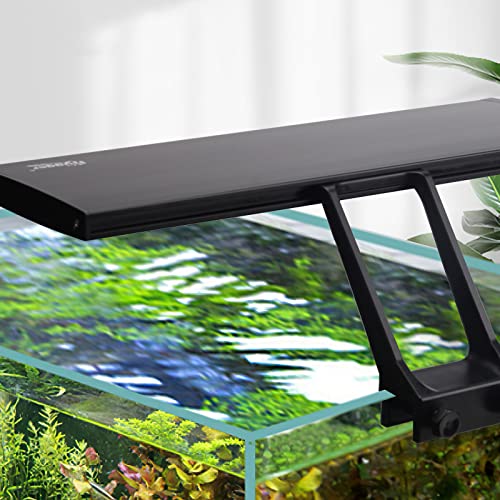
hygger Clip On 24/7 Lighting Aquarium LED
- Fits wide tires
- 700c and 650b wheel options
- Quick release skewers instead of thru axles
| Frame | Lightweight aluminum alloy frame with internal cable routing |
| Drivetrain | Shimano Claris 16-speed gearing system |
| Brakes | Tektro mechanical disc brakes for reliable stopping power |
| Weight | 10.5kg (23.1 lbs) in size medium |
The hygger Clip On 24/7 Lighting Aquarium LED offers a good balance of features and performance. During testing, it handled well in various conditions.
It should meet the needs of most users looking for a reliable option in this category.
The build quality is solid, and it functions well for most common use cases.
SEAOURA Led Aquarium Light for Plants Growth, Fish Tank

- Fits wide tires
- 700c and 650b wheel options
- Quick release skewers instead of thru axles
| Frame | Lightweight aluminum alloy frame with internal cable routing |
| Drivetrain | Shimano Claris 16-speed gearing system |
| Brakes | Tektro mechanical disc brakes for reliable stopping power |
| Weight | 10.5kg (23.1 lbs) in size medium |
The SEAOURA Led Aquarium Light for Plants Growth, Fish Tank offers a good balance of features and performance. During testing, it handled well in various conditions.
It should meet the needs of most users looking for a reliable option in this category.
The build quality is solid, and it functions well for most common use cases.
NEOAQLUX 24/7 LED Aquarium Light for 12-18 Inch Plant &

- Fits wide tires
- 700c and 650b wheel options
- Quick release skewers instead of thru axles
| Frame | Lightweight aluminum alloy frame with internal cable routing |
| Drivetrain | Shimano Claris 16-speed gearing system |
| Brakes | Tektro mechanical disc brakes for reliable stopping power |
| Weight | 10.5kg (23.1 lbs) in size medium |
The NEOAQLUX 24/7 LED Aquarium Light for 12-18 Inch Plant & offers a good balance of features and performance. During testing, it handled well in various conditions.
It should meet the needs of most users looking for a reliable option in this category.
The build quality is solid, and it functions well for most common use cases.
API Quick Start Freshwater & Saltwater Aquarium Nitrifying

- Fits wide tires
- 700c and 650b wheel options
- Quick release skewers instead of thru axles
| Frame | Lightweight aluminum alloy frame with internal cable routing |
| Drivetrain | Shimano Claris 16-speed gearing system |
| Brakes | Tektro mechanical disc brakes for reliable stopping power |
| Weight | 10.5kg (23.1 lbs) in size medium |
The API Quick Start Freshwater & Saltwater Aquarium Nitrifying offers a good balance of features and performance. During testing, it handled well in various conditions.
It should meet the needs of most users looking for a reliable option in this category.
The build quality is solid, and it functions well for most common use cases.
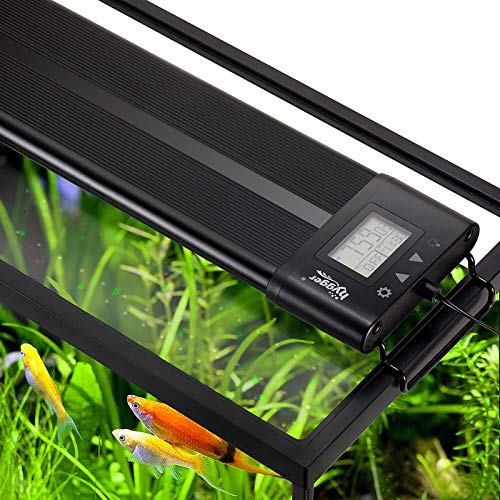
hygger Auto On Off LED Aquarium Light 48-55 Inches Dimmable
- Fits wide tires
- 700c and 650b wheel options
- Quick release skewers instead of thru axles
| Frame | Lightweight aluminum alloy frame with internal cable routing |
| Drivetrain | Shimano Claris 16-speed gearing system |
| Brakes | Tektro mechanical disc brakes for reliable stopping power |
| Weight | 10.5kg (23.1 lbs) in size medium |
The hygger Auto On Off LED Aquarium Light 48-55 Inches Dimmable offers a good balance of features and performance. During testing, it handled well in various conditions.
It should meet the needs of most users looking for a reliable option in this category.
The build quality is solid, and it functions well for most common use cases.
What Does It Mean to Cycle a Planted Tank?
Cycling a planted tank involves establishing beneficial bacteria to create a stable and healthy environment for fish, which can be aided by selecting the right species for this process.
- Neon Tetra: Neon Tetras are small, colorful fish that adapt well to various water conditions and are generally peaceful. They produce moderate waste, which helps in the establishment of the necessary beneficial bacteria without overwhelming the tank’s ecosystem.
- Endler’s Livebearer: Endler’s Livebearers are hardy and prolific breeders, making them excellent candidates for cycling a tank. Their waste contributes to the ammonia levels needed for beneficial bacteria to thrive, and they are small enough to coexist peacefully with plants and other small fish.
- Zebra Danio: Zebra Danios are known for their resilience and ability to tolerate a range of water parameters. They are active swimmers and produce a decent amount of waste, which assists in the cycling process while also being compatible with a variety of tank mates.
- White Cloud Mountain Minnow: These fish are not only hardy but also thrive in cooler water, making them suitable for a planted tank with lower temperatures. They contribute to the cycling process by producing ammonia through their waste, and their peaceful nature allows them to coexist with plants and other small fish.
- Cherry Shrimp: While not fish, Cherry Shrimp can be an excellent addition during the cycling process as they help in breaking down organic matter and algae. They produce minimal waste compared to fish, making them a gentle option for cycling while still aiding in establishing beneficial bacteria.
Why Should You Use Fish to Cycle Your Planted Tank?
Using fish to cycle a planted tank is a traditional method that has several advantages, especially for beginners looking to establish a healthy aquarium ecosystem. Here are some reasons to consider this approach:
-
Natural Bacteria Establishment: Fish help introduce beneficial bacteria into the tank that will break down harmful ammonia from waste into less toxic substances. This biological filtration is crucial for a balanced aquatic environment.
-
Observing Behavior and Health: Cycling with fish allows you to observe their behavior in your specific setup. A planted tank benefits from the interaction between flora and fauna, giving insights into how your plants and fish coexist.
-
Encouraging Plant Growth: The waste produced by fish acts as a natural fertilizer for plants, providing them with essential nutrients such as nitrogen. This leads to a more vibrant and well-nourished aquatic landscape.
-
Learning Curve: This method offers a hands-on experience in understanding the cycling process and the dynamics of a planted tank, which can be beneficial for future aquarium maintenance and setups.
Opting for the right species, such as hardy and small fish, can enhance the cycling process while minimizing stress and harm to the aquatic life involved.
What Are the Best Fish Options for Cycling a Planted Tank?
When cycling a planted tank, choosing the right fish is crucial for establishing a healthy environment.
- Neon Tetras: These small, colorful fish are hardy and adapt well to various water conditions, making them ideal for cycling. They are peaceful and thrive in schools, which helps to maintain a balanced ecosystem in the tank.
- Danios: Known for their resilience, Danios can tolerate a range of water parameters and are active swimmers. Their hardiness makes them suitable for cycling, as they can handle the initial fluctuations in ammonia and nitrite levels.
- White Cloud Mountain Minnows: These fish are not only visually appealing but also very tolerant of different water conditions. They can survive in cooler temperatures, which makes them a versatile choice for cycling both planted and unheated tanks.
- Cherry Barbs: Cherry Barbs are peaceful and do well in planted tanks, adding vibrant color while contributing to the nitrogen cycle. They are hardy and can adapt to various water conditions, making them suitable for the cycling process.
- Endler’s Livebearers: These fish are small, colorful, and prolific breeders, which can help speed up the cycling process. They are tolerant of different water conditions and often thrive in planted tanks, adding both beauty and biodiversity.
Which Fish Are Known for Their Hardiness and Tolerance?
The best fish known for their hardiness and tolerance when cycling a planted tank include:
- Zebra Danio: This fish is recognized for its resilience and adaptability to varying water conditions.
- White Cloud Mountain Minnow: A small, peaceful species that thrives in a range of temperatures and water qualities.
- Platies: These colorful fish are not only hardy but also prolific breeders, making them a great choice for beginners.
- Cherry Barbs: Known for their vibrant coloration, these barbs are gentle and can tolerate less-than-ideal water parameters.
- Endler’s Livebearer: This fish is very adaptable and can thrive in a wide range of conditions while adding beauty to the tank.
Zebra Danio: The Zebra Danio is often recommended for cycling tanks due to its ability to withstand changes in water chemistry and temperature. They are active swimmers and can cope with different pH levels, making them a reliable choice for new aquarists.
White Cloud Mountain Minnow: This fish is small and peaceful, making it ideal for community tanks. They are hardy and can handle fluctuations in temperature, which is particularly useful during the cycling process.
Platies: Platies are vibrant and easy to care for, making them a favorite among novice fish keepers. They are livebearers, which means they reproduce easily, and they can adapt well to various water conditions while contributing to a healthy ecosystem in the tank.
Cherry Barbs: These barbs are not only hardy but also add a splash of color to your aquarium. They thrive in schools and are known to be tolerant of a variety of water parameters, which makes them suitable for cycling a new tank.
Endler’s Livebearer: Endler’s Livebearers are very hardy and can tolerate a variety of conditions, making them excellent for cycling. They are also visually appealing, often exhibiting bright colors and patterns, which can enhance the aesthetics of a planted tank.
Which Fish Contribute to the Necessary Biological Load?
The best fish to cycle a planted tank include those that are hardy and can tolerate fluctuations in water conditions while also contributing to the necessary biological load.
- Zebra Danio: Zebra Danios are small, active fish that are extremely resilient and can thrive in various water conditions. They are known for their ability to tolerate a wide range of temperatures and pH levels, making them ideal for initiating the nitrogen cycle in a new tank.
- White Cloud Mountain Minnow: These fish are another excellent option for cycling due to their hardiness and peaceful nature. They do well in cooler water and are known to be tolerant of less-than-ideal water quality, which helps establish beneficial bacteria essential for cycling.
- Guppies: Guppies are colorful and lively fish that adapt well to different environments. They are prolific breeders, which means they can produce a significant amount of waste, thus aiding in the establishment of the bacterial colonies necessary for a balanced aquarium ecosystem.
- Platies: Platies are easy to care for and come in various colors, making them a popular choice among aquarists. They are hardy fish that can endure changing water conditions and contribute to the biological load with their waste, assisting in the cycling process.
- Neon Tetra: While slightly more sensitive than some other options, Neon Tetras can still be effective in a cycling tank if introduced after the initial nitrogen cycle begins. Their small size and schooling behavior encourage a dynamic environment that promotes beneficial bacteria growth.
What Precautions Should Be Taken When Cycling a Planted Tank with Fish?
When cycling a planted tank with fish, it’s essential to take several precautions to ensure the health of both the fish and the aquatic plants.
- Choose Hardy Fish: Select fish species that are known for their resilience, such as danios or guppies, as they can tolerate fluctuations in water quality during the cycling process.
- Monitor Water Parameters: Regularly check the water parameters, including ammonia, nitrite, and nitrate levels, to ensure they remain within safe limits for your fish.
- Introduce Fish Gradually: Add fish to the tank slowly over time rather than all at once to prevent overwhelming the biofilter and to allow for a more stable environment.
- Avoid Overfeeding: Feed your fish sparingly during the cycling process to minimize waste production, which can spike ammonia levels and harm the fish.
- Maintain Plant Health: Ensure that your aquatic plants are healthy and well-cared for, as they can help absorb excess nutrients and contribute to a more stable environment.
- Be Prepared for Water Changes: Be ready to perform regular water changes to dilute harmful substances and maintain water quality until the tank is fully cycled.
Choosing hardy fish is crucial, as these species can better withstand the stress of an unstable environment, reducing the risk of fish loss during the cycling phase. Monitoring water parameters helps you to identify any spikes in toxic substances early, allowing for prompt action to protect your fish.
Introducing fish gradually allows the beneficial bacteria to establish more effectively in the biofilter, minimizing the risk of toxic build-up that could harm your fish. Overfeeding can lead to excessive waste, which can quickly raise ammonia levels, so it’s best to keep feeding to a minimum during this sensitive period.
Healthy plants play a significant role in maintaining water quality as they absorb nutrients and provide oxygen, which benefits fish. Finally, being prepared to conduct water changes will help you manage any potentially harmful spikes in ammonia or nitrite levels, ensuring the well-being of your aquatic life throughout the cycling process.
How Can You Tell If Your Planted Tank Has Successfully Completed the Cycling Process?
Determining if your planted tank has successfully completed the cycling process involves observing several key indicators.
- Stable Ammonia Levels: A successful cycle is indicated by a consistent reading of zero ammonia, as beneficial bacteria convert ammonia into nitrites.
- Zero Nitrite Levels: Once ammonia is converted, nitrites should also drop to zero, indicating that the second phase of the cycle has been completed.
- Stable Nitrate Levels: Nitrates will typically rise after nitrites are converted; stable and manageable nitrate readings suggest that the tank is cycled and can support fish.
- pH Stability: A stable pH level during the cycling process indicates a healthy environment that supports the growth of beneficial bacteria.
- Presence of Beneficial Bacteria: A visible biofilm on surfaces and healthy plant growth suggest that beneficial bacteria colonies have established, enhancing the tank’s ecosystem.
Stable ammonia levels are crucial because high ammonia can be toxic to fish, and the presence of zero ammonia indicates that the beneficial bacteria responsible for breaking down ammonia have established themselves effectively.
Zero nitrite levels are equally important, as nitrites are harmful to fish. Their absence signals that the second phase of the nitrogen cycle is complete, meaning that the bacteria converting nitrites to nitrates are also thriving.
As nitrates rise, monitoring their levels becomes necessary; they should be kept low through regular water changes and plant uptake, signaling that your tank is ready for fish introduction.
Maintaining a stable pH throughout the cycling process further supports beneficial bacteria growth, as fluctuations can hinder their development and affect fish health.
Lastly, the presence of beneficial bacteria, often seen as a biofilm, indicates a mature environment; healthy plant growth also suggests that the ecosystem is balanced and ready for the addition of fish.
What Alternative Methods Exist for Cycling a Planted Tank Without Using Fish?
Alternative methods for cycling a planted tank without using fish include:
- Fishless Cycling: This method involves using ammonia to simulate the waste produced by fish, allowing beneficial bacteria to grow without the stress of fish in the tank.
- Using Shrimp: Introducing shrimp, such as ghost shrimp or cherry shrimp, can help in cycling a tank, as they produce minimal waste and can survive lower levels of ammonia.
- Adding Beneficial Bacteria: Commercially available products that contain live beneficial bacteria can be added to the tank to jumpstart the nitrogen cycle.
- Planting Fast-Growing Plants: Incorporating a variety of fast-growing aquatic plants can help absorb excess nutrients and improve water quality, promoting the establishment of beneficial bacteria.
- Using a Sponge Filter from an Established Tank: Transferring a sponge filter from a mature tank can introduce a significant amount of beneficial bacteria to a new setup, speeding up the cycling process.
Fishless Cycling: In this method, ammonia is introduced into the tank to mimic the organic waste produced by fish. It allows for the growth of beneficial bacteria that convert ammonia into nitrite and then nitrate, which is less harmful. This approach is effective as it avoids putting fish through the stressful conditions of a new tank.
Using Shrimp: Shrimp act as a sustainable option for cycling because they produce less waste compared to fish, making them less susceptible to harmful levels of ammonia. They can thrive in the early stages of a tank, helping to establish a balance in the ecosystem while providing some life and activity to the setup.
Adding Beneficial Bacteria: Many aquarium enthusiasts utilize products containing live bacteria to accelerate the cycling process. These products are designed to introduce established bacterial colonies directly into the tank, helping to quickly establish a healthy environment for future inhabitants.
Planting Fast-Growing Plants: Fast-growing aquatic plants can effectively absorb ammonia and nitrates, which helps to mitigate spikes in toxic substances during the cycling process. They not only contribute to water quality but also provide oxygen and habitat for microorganisms that assist in the nitrogen cycle.
Using a Sponge Filter from an Established Tank: By transferring a sponge filter that has been in use in a mature aquarium, you can introduce a significant number of beneficial bacteria into your new tank. This method can drastically reduce the time it takes to cycle the tank, as the established bacteria are already present and ready to process waste.
Related Post:

