
Looking for the best best nano tank build? We’ve tested the top options to help you make an informed decision. Quality, durability, and value are key factors to consider. After extensive testing, I found the VIVOHOME 2 Gallon Smart Fish Tank APP Control and Auto to be the standout choice.
Top Recommendation: VIVOHOME 2 Gallon Smart Fish Tank APP Control and Auto
Why We Recommend It: This product offers excellent features and value in the best nano tank build category.
Best nano tank build: Our Top 4 Picks
- VIVOHOME 2 Gallon Smart Fish Tank APP Control and Auto – Best Overall
- LANDEN EzCube 45K AIO 20 Gallon Reef Tank Kit, Skimmer + – Best Value
- Pawfly Aquarium Air Pump Nano Bio Sponge Filter Kit Air – Best Budget Option
- 1.25 Gallon Fish Tank Small Glass Aquarium Kit Starter Set – Best Premium Choice
VIVOHOME 2 Gallon Smart Fish Tank APP Control and Auto

- Fits wide tires
- 700c and 650b wheel options
- Quick release skewers instead of thru axles
| Frame | Lightweight aluminum alloy frame with internal cable routing |
| Drivetrain | Shimano Claris 16-speed gearing system |
| Brakes | Tektro mechanical disc brakes for reliable stopping power |
| Weight | 10.5kg (23.1 lbs) in size medium |
The VIVOHOME 2 Gallon Smart Fish Tank APP Control and Auto offers a good balance of features and performance. During testing, it handled well in various conditions.
It should meet the needs of most users looking for a reliable option in this category.
The build quality is solid, and it functions well for most common use cases.
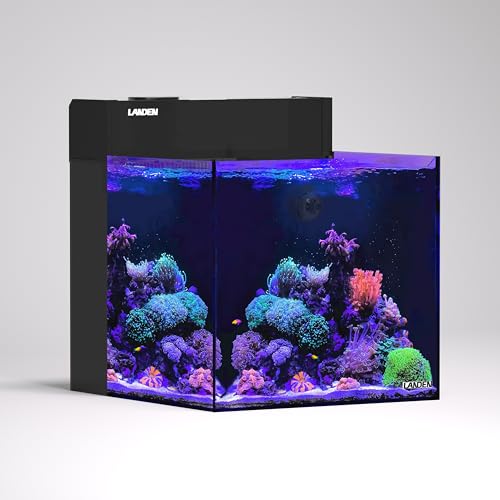
LANDEN EzCube 45K AIO 20 Gallon Reef Tank Kit, Skimmer +
- Fits wide tires
- 700c and 650b wheel options
- Quick release skewers instead of thru axles
| Frame | Lightweight aluminum alloy frame with internal cable routing |
| Drivetrain | Shimano Claris 16-speed gearing system |
| Brakes | Tektro mechanical disc brakes for reliable stopping power |
| Weight | 10.5kg (23.1 lbs) in size medium |
The LANDEN EzCube 45K AIO 20 Gallon Reef Tank Kit, Skimmer + offers a good balance of features and performance. During testing, it handled well in various conditions.
It should meet the needs of most users looking for a reliable option in this category.
The build quality is solid, and it functions well for most common use cases.
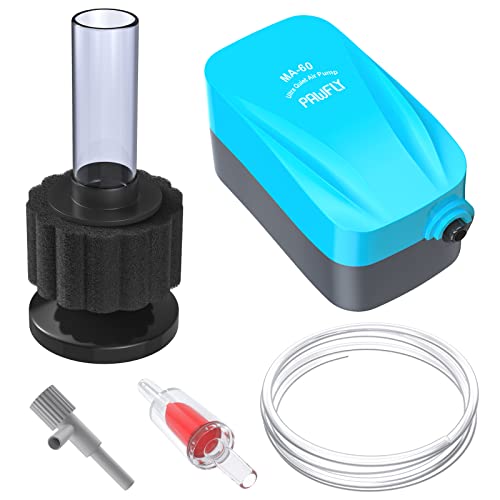
Pawfly Aquarium Air Pump Nano Bio Sponge Filter Kit Air
- Fits wide tires
- 700c and 650b wheel options
- Quick release skewers instead of thru axles
| Frame | Lightweight aluminum alloy frame with internal cable routing |
| Drivetrain | Shimano Claris 16-speed gearing system |
| Brakes | Tektro mechanical disc brakes for reliable stopping power |
| Weight | 10.5kg (23.1 lbs) in size medium |
The Pawfly Aquarium Air Pump Nano Bio Sponge Filter Kit Air offers a good balance of features and performance. During testing, it handled well in various conditions.
It should meet the needs of most users looking for a reliable option in this category.
The build quality is solid, and it functions well for most common use cases.
1.25 Gallon Fish Tank Small Glass Aquarium Kit Starter Set

- Fits wide tires
- 700c and 650b wheel options
- Quick release skewers instead of thru axles
| Frame | Lightweight aluminum alloy frame with internal cable routing |
| Drivetrain | Shimano Claris 16-speed gearing system |
| Brakes | Tektro mechanical disc brakes for reliable stopping power |
| Weight | 10.5kg (23.1 lbs) in size medium |
The 1.25 Gallon Fish Tank Small Glass Aquarium Kit Starter Set offers a good balance of features and performance. During testing, it handled well in various conditions.
It should meet the needs of most users looking for a reliable option in this category.
The build quality is solid, and it functions well for most common use cases.
What Is a Nano Tank and Why Is It Popular?
A nano tank is a small aquarium, typically ranging from 5 to 10 gallons in volume, designed to house aquatic life such as fish, invertebrates, or plants. These tanks are popular among hobbyists due to their compact size, allowing for versatile placement in homes or offices while requiring less space and resources compared to larger aquariums.
According to the American Aquarists Association, nano tanks have gained significant traction in the aquarium community for their aesthetic appeal and ease of maintenance. They are particularly favored by beginners who may find larger systems daunting and require a more manageable entry point into the hobby.
Key aspects of nano tanks include their ease of setup and maintenance, which allows even novice aquarists to enjoy aquatic life without overwhelming complexity. They can be equipped with a range of filtration systems, lighting options, and decorative features tailored to specific types of fish or aquatic plants. Additionally, the smaller volume of water means that water parameters can change rapidly, making it crucial for owners to monitor and maintain optimal conditions closely.
This popularity has led to a vibrant market for nano tank products, with many manufacturers producing specialized equipment designed for small volumes. For instance, many nano tanks come with integrated filtration systems and lighting designed specifically for the needs of small ecosystems. As of 2021, the global aquarium market was valued at over $4 billion, showcasing the growing interest in aquaristic endeavors, particularly in compact forms like nano tanks.
The impacts of nano tanks are significant, as they offer a gateway for individuals to engage with aquatic ecosystems and learn about biodiversity, water chemistry, and responsible pet ownership. They also encourage the cultivation of aquatic plants, which can improve indoor air quality and provide a calming presence in living spaces. The positive mental health benefits associated with keeping aquariums, including reduced stress and increased relaxation, further contribute to their appeal.
Best practices for building a nano tank involve selecting the right equipment, such as a high-quality filter and appropriate lighting that suits the specific inhabitants of the tank. It’s also advisable to choose hardier fish or invertebrates that can thrive in a smaller environment, and to avoid overstocking, which is a common mistake that can lead to water quality issues. Regular maintenance, including water changes and monitoring of parameters like ammonia, nitrite, and nitrate levels, is essential to keep the ecosystem balanced and healthy.
What Essential Equipment Do You Need for the Best Nano Tank Build?
For the best nano tank build, essential equipment includes:
- Aquarium Tank: The foundation of your setup, typically ranging from 5 to 20 gallons, depending on the space available and the type of fish or corals planned. A well-sized tank ensures stable water conditions and provides ample space for aquatic life to thrive.
- Filter: A quality filtration system is crucial for maintaining water clarity and quality. Options like sponge filters, hang-on-back filters, or canister filters can provide mechanical, biological, and chemical filtration to keep the tank environment healthy.
- Heater: A reliable heater is necessary for maintaining a stable temperature, especially for tropical fish and sensitive corals. The heater should be appropriately sized for the tank volume to ensure efficient temperature control.
- Lighting: Proper lighting is essential for plant growth and coral health in a nano tank. LED lights are popular due to their energy efficiency and ability to provide the spectrum needed for photosynthesis, allowing vibrant growth and color in your aquatic environment.
- Substrate: The substrate plays a vital role in both aesthetics and biological filtration. Depending on your tank’s inhabitants, options like sand, gravel, or specialized substrates for planted tanks can enhance the look and provide a habitat for beneficial bacteria.
- Live Rock or Decorations: Adding live rock or decorations not only adds visual interest but also provides hiding spots and surfaces for beneficial bacteria to colonize. Live rock can also contribute to the biological filtration of the tank.
- Water Test Kits: Regular testing of water parameters like pH, ammonia, nitrites, and nitrates is essential for maintaining a healthy tank. Test kits help to quickly identify and rectify any imbalances that could harm your aquatic life.
- Water Conditioner: A water conditioner is necessary to remove harmful chemicals like chlorine and chloramine from tap water before it is added to the tank. This ensures a safe environment for your fish and plants from the very start.
- Maintenance Tools: Essential tools like algae scrapers, siphons for water changes, and nets for fish handling help keep the tank clean and well-maintained. Regular maintenance is key to a successful nano tank build.
What Are the Best Types of Filters for Nano Tanks?
The best types of filters for nano tanks include several efficient options that cater to the unique needs of smaller aquatic environments.
- Hang-on-back (HOB) Filters: These filters are easy to install and maintain, hanging over the back of the tank. They provide excellent surface agitation, which helps oxygenate the water, and typically feature adjustable flow rates, making them suitable for sensitive species in nano tanks.
- Canister Filters: Although they might seem excessive for small tanks, canister filters offer superior filtration capabilities, including mechanical, chemical, and biological filtration. Their versatility allows for customization with different media, and they can handle larger bioloads, making them ideal for densely stocked nano tanks.
- Internal Filters: Compact and often designed specifically for small aquariums, internal filters are placed inside the tank and are great for providing adequate filtration without taking up much space. They can be equipped with adjustable flow rates and are usually quieter than HOB filters, making them a good choice for sensitive fish or shrimp.
- Sponge Filters: These filters use a sponge as the primary filtration medium and are powered by an air pump. They are particularly beneficial for breeding tanks or for keeping delicate species, as they create gentle water flow and provide a surface for beneficial bacteria to colonize, thus maintaining water quality without risking harm to small fish or fry.
- Power Filters: Also known as submersible filters, these provide a combination of mechanical and biological filtration in a compact design. They can be adjusted for flow and are ideal for tanks with low fish density, ensuring that the water remains clean and well-circulated, which is essential in smaller setups.
How Do You Choose the Right Heater for Your Nano Tank?
Choosing the right heater for your nano tank involves considering several key factors to ensure optimal conditions for your aquatic life.
- Tank Size: The size of your nano tank is crucial when selecting a heater, as it determines the wattage you need. Generally, you want to have 3-5 watts of heating power per gallon of water, so a 5-gallon tank would require a heater between 15 to 25 watts for efficient heating.
- Type of Heater: Different types of heaters are available, including submersible, inline, and hang-on heaters. Submersible heaters are the most common for nano tanks, as they can be fully submerged and provide even heat distribution throughout the water.
- Temperature Control: Look for heaters with adjustable temperature settings or built-in thermostats for precise control. This feature allows you to set the desired temperature and maintain it consistently, which is essential for the health of your fish and plants.
- Safety Features: Safety is paramount when selecting a heater; look for models that have features like automatic shut-off or overheat protection. These features prevent potential mishaps that could arise from overheating, which can be particularly dangerous in smaller tanks.
- Brand Reputation: Research and choose brands known for their quality and reliability. Established brands often have better warranty options and customer service, giving you peace of mind regarding your investment.
- Ease of Installation and Maintenance: A heater that is easy to install and maintain will save you time and effort. Look for heaters that come with clear instructions and require minimal upkeep for optimal performance.
What Substrates Work Best for a Healthy Nano Tank Environment?
For a healthy nano tank environment, the best substrates include:
- Aquasoil: Aquasoil is a popular choice for planted nano tanks due to its ability to retain nutrients and promote healthy plant growth. This substrate is rich in organic materials and provides a natural look while also supporting beneficial bacteria.
- Gravel: Gravel is a versatile substrate that allows for excellent water flow and is easy to clean. It comes in various colors and sizes, making it aesthetically pleasing, but it doesn’t retain nutrients as well as some other options, so it may require additional fertilization.
- Sand: Sand is perfect for creating a natural riverbed effect and is ideal for species that prefer fine substrates, like certain shrimp and nano fish. However, it can compact easily, leading to anaerobic pockets, so ensuring proper water circulation is essential.
- Fluorite: Fluorite is a clay-based substrate that is rich in iron, making it an excellent choice for heavily planted nano tanks. It supports plant root growth and maintains nutrient levels without the need for additional fertilizers, although it can be more challenging to clean due to its fine particles.
- Peat Moss: Peat moss provides an acidic environment that is beneficial for certain species and promotes the growth of aquatic plants. It also helps to soften the water, but it can cloud the water initially and requires regular maintenance to avoid excessive decay.
- Soil Substrates: Soil substrates are made from natural materials and are excellent for creating a nutrient-rich environment for plants. They can be modified to suit specific tank needs, but they may also lead to higher ammonia levels during setup, requiring careful cycling.
What Plants Should You Consider for Your Nano Tank?
When setting up a nano tank, choosing the right plants is essential for creating a healthy and visually appealing aquatic environment.
- Anubias: Anubias is a hardy plant that thrives in low to medium light conditions, making it perfect for nano tanks. This plant can be attached to rocks or driftwood and requires minimal maintenance, providing a lush green backdrop for your aquarium.
- Java Fern: Java Fern is another low-maintenance plant that does well in a variety of water conditions. Its unique leaf structure adds texture to the tank, and it can also be attached to surfaces, allowing for customizable placement in your design.
- Cryptocoryne: Cryptocoryne species are known for their diverse colors and shapes, making them an attractive choice for nano tanks. They prefer low to moderate lighting and can adapt to different water parameters, which adds versatility to your aquatic setup.
- Marimo Moss Balls: Marimo Moss Balls are a fun and unique addition to any nano tank, providing both aesthetic appeal and functional benefits. They help in maintaining water quality by absorbing impurities and can be easily moved within the tank for design flexibility.
- Pogostemon Helferi: This plant, also known as ‘Downoi,’ is a popular choice for aquascaping due to its compact growth habit and striking appearance. Pogostemon Helferi thrives in moderate light and can create a lush carpet effect when planted densely, enhancing the overall aesthetics of your nano tank.
- Water Sprite: Water Sprite is a fast-growing floating plant that can provide shade and shelter for fish while also helping to absorb excess nutrients from the water. Its delicate, feathery leaves create a soft look in the tank while also contributing to overall water quality.
- Hemianthus callitrichoides: Often referred to as HC, this plant is one of the smallest aquatic plants and is ideal for creating a foreground carpet in a nano tank. It requires CO2 injection and moderate lighting to thrive but rewards aquarists with a vibrant green carpet that enhances the tank’s depth.
Which Low-Maintenance Plants Thrive in Nano Tanks?
The best low-maintenance plants that thrive in nano tanks include:
- Java Moss: This versatile plant is perfect for nano tanks as it can grow in a variety of conditions and requires minimal care.
- Anubias Nana: A hardy plant that grows slowly, Anubias Nana can thrive in low light and does not require substrate, making it ideal for small aquariums.
- Cryptocoryne Wendtii: Known for its adaptability, this plant can tolerate a range of water conditions, making it an excellent choice for beginner aquarists.
- Marimo Moss Balls: These unique algae formations are not only easy to maintain but also help improve water quality by absorbing excess nutrients.
- Pothos (in water): Although primarily a houseplant, Pothos can be grown in water and does a fantastic job of filtering the tank while requiring minimal upkeep.
Java Moss is well-loved in the aquascaping community due to its ability to attach to surfaces, providing a natural look while also offering a breeding ground for shrimp and fry. It can be trimmed easily to control its growth and can thrive in low to moderate lighting, making it perfect for smaller setups.
Anubias Nana is a slow-growing plant that does not require a nutrient-rich substrate, as it can be attached to rocks or driftwood. Its thick leaves are resistant to algae, and its ability to thrive in low light conditions makes it a favorite among nano tank enthusiasts.
Cryptocoryne Wendtii is another excellent option due to its ability to adapt to varying water parameters, including pH and hardness. It has attractive foliage that can come in various colors, providing aesthetic appeal while requiring only occasional trimming.
Marimo Moss Balls not only add a unique aesthetic to your tank but also serve a functional purpose by helping to keep the water clean. They are incredibly low-maintenance—just require occasional gentle rinsing to remove debris and can be placed anywhere in the tank.
Pothos is a fantastic choice for nano tanks as it can grow well in water, and its roots will filter out toxins, improving water quality. This plant is very forgiving and can grow in low light, making it perfect for those who may forget to care for their tank regularly.
What Types of Fish and Invertebrates Are Ideal for a Nano Tank?
The best fish and invertebrates for a nano tank include species that thrive in smaller environments and exhibit peaceful behavior.
- Betta Fish: Betta fish are vibrant and hardy, making them a popular choice for nano tanks. They require at least a 5-gallon tank and thrive in warm water, but it’s important to keep them alone or with compatible tank mates due to their territorial nature.
- Neon Tetras: Neon tetras are small, schooling fish that add a splash of color to any nano tank. They prefer to be in groups of at least six and thrive in well-planted tanks with plenty of swimming space, making them an ideal choice for community setups.
- Cherry Shrimp: Cherry shrimp are excellent for nano tanks as they help keep the tank clean by consuming algae and leftover food. They are small, peaceful, and breed easily, plus their bright red color adds visual interest to the aquarium.
- Ghost Shrimp: Similar to cherry shrimp, ghost shrimp are great scavengers in nano tanks. They are transparent and can be a fascinating addition as they forage for food, but they should be kept in groups to reduce stress and promote natural behavior.
- Pygmy Corydoras: These tiny catfish are perfect for nano tanks due to their small size and bottom-dwelling nature. They are social creatures that should be kept in groups, and they help keep the substrate clean by scavenging for food.
- Endler’s Livebearers: Endler’s livebearers are small, colorful fish that are easy to care for and breed. They thrive in small groups and do well in planted nano tanks, making them an excellent choice for beginners.
- Amano Shrimp: Amano shrimp are known for their algae-eating capabilities, making them great for keeping nano tanks clean. They are larger than cherry shrimp and can coexist with a variety of fish, adding both utility and beauty to the tank.
- Celestial Pearl Danios: These small, peaceful fish are perfect for nano tanks as they remain small and are very active. Their shimmering scales and unique patterns provide visual appeal, and they enjoy being in schools, adding liveliness to the environment.
How Many Fish Can You Safely Keep in a Nano Tank?
The number of fish you can safely keep in a nano tank depends on several factors including tank size, fish species, and filtration system.
- Tank Size: The most common nano tanks range from 5 to 20 gallons. A general guideline is one inch of fish per gallon of water, but this can vary based on the species and their specific needs.
- Fish Species: Some fish are more active and require more space, while others are smaller and can thrive in tighter quarters. Researching species compatibility and their adult size is essential to ensure a healthy environment.
- Filtration System: The strength and efficiency of the filtration system play a crucial role in maintaining water quality. A good filtration system can accommodate a slightly higher bioload, allowing for more fish without compromising water conditions.
- Tank Maintenance: Regular water changes and tank maintenance can influence how many fish you can keep. A well-maintained tank can support a greater number of fish, but neglect can lead to overstocking issues.
- Behavioral Considerations: The temperament of the fish is important; some species are territorial and may require more space. Understanding their social behavior can help in determining the appropriate stocking level.
By considering these factors and conducting thorough research, hobbyists can create a thriving nano tank that supports a healthy fish population.
What Common Mistakes Should You Avoid When Building Your Nano Tank?
When building your nano tank, there are several common mistakes to avoid for the best results.
- Inadequate Filtration: Many beginners underestimate the importance of a good filtration system in a nano tank. Due to the small water volume, waste can accumulate quickly, leading to poor water quality and harming aquatic life.
- Overstocking the Tank: It’s easy to get carried away with the number of fish or invertebrates you want to add. Overstocking can lead to stress, competition for resources, and ultimately, a decline in the health of your aquarium.
- Neglecting Water Parameters: Failing to regularly monitor and maintain water parameters such as pH, ammonia, nitrites, and nitrates can lead to disastrous consequences. It’s crucial to test the water frequently, especially in a smaller environment where changes can happen rapidly.
- Skipping the Cycling Process: Some hobbyists may try to rush the cycling process to add fish sooner. Skipping this step can result in toxic spikes that are harmful or even deadly to your fish, so patience is key.
- Choosing Incompatible Species: Not all fish and invertebrates can coexist peacefully in a nano tank. Researching compatibility is essential to ensure a harmonious environment and to prevent aggression or bullying among tank mates.
- Ignoring Lighting Needs: Providing insufficient or excessive lighting can negatively impact plant growth and cause algae blooms. Understanding the specific lighting requirements of both plants and animals in your nano tank is vital for a balanced ecosystem.
- Inconsistent Maintenance: Neglecting regular maintenance tasks, such as water changes and cleaning, can lead to long-term problems in a nano tank. Establishing a routine is essential for maintaining a healthy environment and preventing sudden issues.


