
Looking for the best best nano reefs? We’ve tested the top options to help you make an informed decision. Quality, durability, and value are key factors to consider. After extensive testing, I found the Coralife Saltwater Fish Tank Aquarium Nano Reef Part A and to be the standout choice.
Top Recommendation: Coralife Saltwater Fish Tank Aquarium Nano Reef Part A and
Why We Recommend It: This product offers excellent features and value in the best nano reefs category.
Best nano reefs: Our Top 5 Picks
- Coralife Saltwater Fish Tank Aquarium Nano Reef Part A and – Best Overall
- Nano. Flipper Magnetic Aquarium Glass Cleaner – Floating – Best Value
- Ahareef Clip-on Full Spectrum LED Reef Light 30W for – Best Budget Option
- DrTim’s Aquatics One and Only Reef – Best Premium Choice
- MICROBE-LIFT All-in-One Master Reef Supplement for Reef – Best for Beginners
Coralife Saltwater Fish Tank Aquarium Nano Reef Part A and

- Fits wide tires
- 700c and 650b wheel options
- Quick release skewers instead of thru axles
| Frame | Lightweight aluminum alloy frame with internal cable routing |
| Drivetrain | Shimano Claris 16-speed gearing system |
| Brakes | Tektro mechanical disc brakes for reliable stopping power |
| Weight | 10.5kg (23.1 lbs) in size medium |
The Coralife Saltwater Fish Tank Aquarium Nano Reef Part A and offers a good balance of features and performance. During testing, it handled well in various conditions.
It should meet the needs of most users looking for a reliable option in this category.
The build quality is solid, and it functions well for most common use cases.
Nano. Flipper Magnetic Aquarium Glass Cleaner – Floating

- Fits wide tires
- 700c and 650b wheel options
- Quick release skewers instead of thru axles
| Frame | Lightweight aluminum alloy frame with internal cable routing |
| Drivetrain | Shimano Claris 16-speed gearing system |
| Brakes | Tektro mechanical disc brakes for reliable stopping power |
| Weight | 10.5kg (23.1 lbs) in size medium |
The Nano. Flipper Magnetic Aquarium Glass Cleaner – Floating offers a good balance of features and performance. During testing, it handled well in various conditions.
It should meet the needs of most users looking for a reliable option in this category.
The build quality is solid, and it functions well for most common use cases.
Ahareef Clip-on Full Spectrum LED Reef Light 30W for
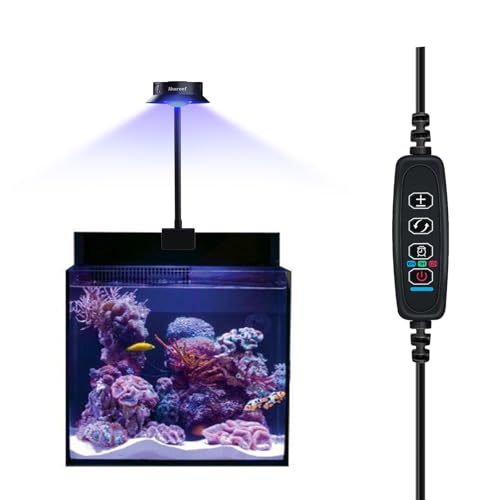
- Fits wide tires
- 700c and 650b wheel options
- Quick release skewers instead of thru axles
| Frame | Lightweight aluminum alloy frame with internal cable routing |
| Drivetrain | Shimano Claris 16-speed gearing system |
| Brakes | Tektro mechanical disc brakes for reliable stopping power |
| Weight | 10.5kg (23.1 lbs) in size medium |
The Ahareef Clip-on Full Spectrum LED Reef Light 30W for offers a good balance of features and performance. During testing, it handled well in various conditions.
It should meet the needs of most users looking for a reliable option in this category.
The build quality is solid, and it functions well for most common use cases.
DrTim’s Aquatics One and Only Reef

- Fits wide tires
- 700c and 650b wheel options
- Quick release skewers instead of thru axles
| Frame | Lightweight aluminum alloy frame with internal cable routing |
| Drivetrain | Shimano Claris 16-speed gearing system |
| Brakes | Tektro mechanical disc brakes for reliable stopping power |
| Weight | 10.5kg (23.1 lbs) in size medium |
The DrTim’s Aquatics One and Only Reef offers a good balance of features and performance. During testing, it handled well in various conditions.
It should meet the needs of most users looking for a reliable option in this category.
The build quality is solid, and it functions well for most common use cases.
MICROBE-LIFT All-in-One Master Reef Supplement for Reef

- Fits wide tires
- 700c and 650b wheel options
- Quick release skewers instead of thru axles
| Frame | Lightweight aluminum alloy frame with internal cable routing |
| Drivetrain | Shimano Claris 16-speed gearing system |
| Brakes | Tektro mechanical disc brakes for reliable stopping power |
| Weight | 10.5kg (23.1 lbs) in size medium |
The MICROBE-LIFT All-in-One Master Reef Supplement for Reef offers a good balance of features and performance. During testing, it handled well in various conditions.
It should meet the needs of most users looking for a reliable option in this category.
The build quality is solid, and it functions well for most common use cases.
What Fish Species Are the Best for Nano Reefs?
Several fish species are ideal for nano reefs due to their size, temperament, and compatibility with small ecosystems.
- Clownfish: Clownfish are small, hardy fish that adapt well to nano reef environments. They have a symbiotic relationship with certain anemones, which can enhance the aesthetics of the aquarium while providing natural behavior patterns.
- Royal Gramma: This vibrant fish adds color and personality to any nano reef. Known for its peaceful nature, the Royal Gramma is also a great addition as it helps control pest populations while being a joy to observe as it hides in rock crevices.
- Ocellaris Clownfish: Similar to the common clownfish, the Ocellaris is smaller and generally easier to care for. They are social fish that thrive in pairs or small groups and are less aggressive, making them suitable for mixed community tanks.
- Firefish: Firefish are small, peaceful species known for their striking colors and unique darting behavior. They prefer to hide in rock formations, which can help create a dynamic reef structure while being non-aggressive to tank mates.
- Neon Goby: These tiny fish are known for their vibrant blue and yellow coloration and their beneficial cleaning habits, as they pick parasites off larger fish. Their small size and friendly disposition make them perfect for nano reefs, where they can coexist peacefully with other species.
- Cardinalfish: Cardinalfish are another peaceful option that thrives in small groups, making them ideal for nano tanks. Their nocturnal nature and unique appearance can add visual interest to the aquarium, while they are generally easy to care for and compatible with a variety of other reef inhabitants.
- Hawkfish: Small species like the Falco Hawkfish can be a great addition to a nano reef, known for their unique perched behavior. They are semi-aggressive, so it’s important to monitor their interactions, but they typically do well in a well-planned community tank.
How Do Species Like the Panamic Barnacle Blenny and Royal Gramma Thrive in Nano Reef Environments?
Species like the Panamic Barnacle Blenny and Royal Gramma thrive in nano reef environments due to their unique adaptations and compatibility with small ecosystems.
- Panamic Barnacle Blenny: This species is well-known for its small size and ability to inhabit tight spaces within the reef.
- Royal Gramma: The Royal Gramma is a vibrant, colorful fish that thrives in nano reefs due to its peaceful nature and adaptability.
The Panamic Barnacle Blenny is particularly suited for nano reefs because it often takes refuge in crevices and holes among coral structures, where it can find shelter from predators. Its diet mainly consists of algae and small invertebrates, making it an efficient forager in compact spaces where food is readily available.
The Royal Gramma, on the other hand, is a popular choice for nano reef aquariums due to its striking coloration and calm demeanor. It typically occupies the lower regions of the reef, where it can establish a territory among rock formations, allowing it to thrive in small environments without aggressive interactions with other species.
Which Smaller Coral Species Can Enhance the Beauty of Your Nano Reef?
There are several smaller coral species that can significantly enhance the beauty of your nano reef.
- Zoanthids: These colorful, flower-like corals are ideal for nano reefs due to their small size and vibrant colors. They thrive under a variety of lighting conditions and can create a stunning carpet effect in your tank.
- Mushroom Corals: Mushroom corals are hardy and easy to care for, making them perfect for beginners. They come in a wide range of colors and shapes, adding diversity and visual interest to your nano reef.
- Acropora (miniature species): Smaller varieties of Acropora are available that can fit well in a nano reef setup. These corals are known for their branching structures and can provide a dynamic look while offering habitats for small fish and invertebrates.
- Palythoa: Similar to Zoanthids, Palythoa are also small, hardy corals that come in striking colors. They can thrive in lower light conditions and tend to grow quickly, making them an excellent option for filling out your reef.
- Green Star Polyps: This coral species is known for its bright green color and fast growth. Green Star Polyps can create a lush, waving appearance in your nano reef and are easy to propagate, allowing you to expand your coral garden easily.
- Xenia: Xenia corals are famous for their pulsing movement, which can add dynamic motion to your nano reef. They are relatively easy to care for and can quickly spread, providing a beautiful display if managed properly.
What Are the Key Factors for Successfully Maintaining a Nano Reef?
Successfully maintaining a nano reef involves several key factors that ensure the health and vitality of the ecosystem.
- Water Quality: Maintaining optimal water quality is crucial for the health of your nano reef. Regular testing for parameters such as pH, salinity, ammonia, nitrite, and nitrate levels helps prevent toxicity and supports a balanced environment for marine life.
- Lighting: Proper lighting is essential for the growth of corals and other photosynthetic organisms. A combination of LED lights that mimic natural sunlight and provide the correct spectrum can promote healthy coral growth while preventing algae overgrowth.
- Filtration System: A reliable filtration system is necessary to keep the water clean and clear. Nano reefs often benefit from a high-quality protein skimmer and mechanical filtration to remove waste and maintain water clarity, which in turn supports the overall health of the ecosystem.
- Stocking Density: Careful consideration of stocking density is vital for a successful nano reef. Overcrowding can lead to stress among fish and corals, increased waste production, and competition for resources, so it’s important to choose species that can coexist peacefully and thrive in smaller spaces.
- Regular Maintenance: Routine maintenance tasks, such as water changes, cleaning equipment, and monitoring for pests, are essential. Keeping a consistent schedule for these tasks helps prevent problems from escalating and ensures a stable environment for your reef inhabitants.
- Coral Selection: Choosing the right corals that are suitable for a nano reef is key to achieving a thriving ecosystem. Opting for hardy species that can adapt to fluctuating conditions and are compatible with your fish stock will contribute to a balanced and visually appealing setup.
- Feeding Practices: Proper feeding practices are important for the health of both fish and corals. Providing a varied diet with high-quality foods, including specialized coral foods, ensures that all inhabitants receive the necessary nutrients to thrive without leading to excess waste in the tank.
How Important Is Water Quality Management for Nano Reefs?
Water quality management is crucial for maintaining healthy nano reefs, as it directly impacts the wellbeing of corals and marine life. The key aspects to consider include:
- pH Levels: Maintaining the right pH level is essential for coral health, as it affects their ability to absorb calcium and carbonate, which are vital for skeletal growth. In nano reefs, fluctuations in pH can lead to stress in corals, resulting in bleaching or mortality.
- Salinity: The salinity of the water must be kept within a specific range to mimic natural ocean conditions. Deviations can stress aquatic organisms, disrupt biological processes, and lead to detrimental effects on the ecosystem, making regular monitoring and adjustments necessary.
- Nutrient Levels: Controlling nitrate and phosphate levels is important to prevent algal blooms that can outcompete corals for light and space. Excess nutrients can lead to poor water quality, affecting the overall balance of the nano reef environment.
- Temperature: Consistent temperature regulation is vital for the health of marine species in a nano reef. Sudden changes can shock the system, leading to stress among fish and corals, which may ultimately compromise the entire ecosystem.
- Water Filtration: Effective filtration systems help remove debris, toxins, and waste products from the water, ensuring a clean environment for marine life. Regular maintenance of filtration systems is necessary to ensure they operate efficiently and keep water quality high.
- Regular Testing: Frequent testing of water parameters allows for early detection of issues that could harm the reef. By using test kits or digital monitors, aquarists can make necessary adjustments promptly to maintain optimal conditions.
What Role Does Proper Lighting Play in Nano Reef Health?
- Photosynthesis: Adequate lighting is essential for coral and other photosynthetic organisms to perform photosynthesis, which is their primary means of obtaining energy. The right light spectrum, particularly blue and white wavelengths, promotes the growth of zooxanthellae algae living within the coral, enhancing both health and color.
- Algae Control: The intensity and duration of light exposure can influence the growth of unwanted algae. By managing lighting effectively, aquarists can minimize the risk of harmful algae blooms, which can compete with corals for nutrients and space, thereby maintaining a balanced ecosystem.
- Coral Growth and Coloration: Different coral species have varying lighting needs, and providing the right intensity and spectrum can stimulate vibrant colors and robust growth. High-quality lighting mimics natural sunlight, which helps corals thrive and develop their unique coloration over time.
- Behavioral Patterns: Lighting can impact the behavior of fish and other inhabitants in a nano reef. A proper light cycle simulates day and night, allowing fish to exhibit natural behaviors such as feeding and resting, which is essential for their health and well-being.
- Heat Management: The type of lighting used can also affect the temperature of the water within a nano reef. LED lights are generally more energy-efficient and produce less heat compared to traditional bulbs, helping to maintain stable water temperatures that are critical for the health of both corals and fish.
What Are Common Challenges Faced in Nano Reef Keeping?
Common challenges faced in nano reef keeping include:
- Water Quality Management: Maintaining optimal water parameters is crucial in smaller tanks due to their limited volume. Small fluctuations in pH, salinity, and nutrient levels can lead to stress or death in sensitive marine species.
- Stocking Density: Overcrowding can easily occur in nano reefs, leading to increased competition for resources and poor water quality. Careful selection and monitoring of fish and coral species are necessary to ensure a balanced ecosystem.
- Temperature Stability: Nano reefs are more susceptible to temperature swings because of their smaller water volume. Using reliable heating and cooling equipment is essential to prevent thermal stress on the inhabitants.
- Filtration Challenges: Effective filtration in a nano setup can be tricky, as traditional filtration systems may be too large or powerful. Utilizing specialized nano filters or adjusting flow rates is important to maintain a healthy environment without disturbing delicate corals.
- Algae Control: Algae can quickly become a problem in small tanks, often outcompeting corals for light and nutrients. Implementing regular maintenance routines and adding herbivorous fish or invertebrates can help manage algae growth effectively.
- Lighting Requirements: The lighting needs of corals in a nano reef can vary significantly, making it challenging to provide adequate illumination. Choosing the right spectrum and intensity of light is crucial for coral health and growth, often requiring careful planning and adjustment.
- Pest Management: Small tanks can harbor pests such as Aiptasia or flatworms, which can proliferate rapidly. Regular inspections and immediate action against infestations are necessary to protect the delicate balance of a nano reef.
- Temperature and Salinity Fluctuations: Due to their size, nano reefs are more vulnerable to changes caused by evaporation or equipment failure. Regular top-offs with fresh water and monitoring salinity levels are essential to maintain stability.
How Can You Control Algae Growth in a Nano Reef?
Controlling algae growth in a nano reef is essential for maintaining a healthy and vibrant ecosystem.
- Maintain Water Quality: Regularly test and maintain parameters such as pH, nitrate, and phosphate levels to prevent conditions favorable for algae growth.
- Proper Lighting: Use appropriate lighting schedules and intensities to avoid stimulating excessive algae growth while ensuring your corals and other inhabitants thrive.
- Choose Suitable Livestock: Incorporate herbivorous fish and invertebrates that will graze on algae, helping to naturally control its population.
- Regular Maintenance: Conduct routine water changes and manual removal of algae to keep levels in check and prevent overgrowth.
- Use of Algae-Eating Organisms: Introduce specific algae-eating species, such as snails or certain types of shrimp, which can help manage algae effectively.
- Limit Nutrient Input: Be cautious with feeding and avoid overstocking your nano reef to reduce excess nutrients that can fuel algae blooms.
- Implement Filtration Systems: Utilize high-quality filtration systems, like protein skimmers or refugiums, which can help remove excess nutrients from the water column.
- Consider Chemical Treatments: As a last resort, chemical treatments specifically designed for algae control can be used, but always follow guidelines to ensure they are reef-safe.
Maintaining water quality is crucial as fluctuations in chemical parameters can create an environment conducive to algae growth. Regular testing and adjustments are necessary to keep nitrate and phosphate levels low, which are key nutrients for algae.
Proper lighting is important as algae thrive in brightly lit conditions. A consistent lighting schedule mimicking natural day and night cycles supports coral health while preventing algae from proliferating.
Choosing suitable livestock, such as specific types of fish and invertebrates, can significantly help in controlling algae growth. These organisms naturally feed on algae, thus reducing its presence in the tank.
Regular maintenance, including water changes and manual algae removal, is an effective way to manage algae levels. By regularly cleaning the tank, you can prevent algae from taking hold and spreading.
Introducing algae-eating organisms, like certain snails or shrimp, can provide a biological means of controlling algae. These creatures actively consume algae and help maintain a balanced ecosystem.
Limiting nutrient input through careful feeding practices and avoiding overstocking is essential, as excess nutrients are a primary fuel source for algae growth. Keeping these factors in check can lead to a healthier reef environment.
High-quality filtration systems, such as protein skimmers and refugiums, play a vital role in removing excess nutrients from the water. Effective filtration systems can help maintain clarity and quality of the water, reducing algae growth.
Finally, while chemical treatments can be effective, they should be used with caution as they can impact the delicate balance of a nano reef. Always opt for reef-safe products and follow dosage instructions to avoid harming your aquatic life.
What Are Effective Techniques for Regular Maintenance and Care of Nano Reefs?
Effective techniques for regular maintenance and care of nano reefs are essential for maintaining a healthy and thriving aquatic environment.
- Regular Water Testing: Consistently testing water parameters such as pH, ammonia, nitrite, nitrate, and salinity is crucial for maintaining a stable environment in nano reefs. These parameters influence the health of the fish and corals, so regular testing helps to identify any potential issues before they become serious problems.
- Frequent Water Changes: Performing regular water changes, typically 10-20% weekly, helps to remove accumulated toxins and replenish essential trace elements. This practice not only improves water quality but also mimics natural ocean conditions, promoting the overall health of the reef ecosystem.
- Proper Filtration: Using a high-quality filtration system is vital for maintaining clarity and cleanliness in a nano reef. A combination of mechanical, biological, and chemical filtration ensures that waste products are effectively removed, providing a stable environment for delicate reef inhabitants.
- Routine Equipment Maintenance: Regularly checking and maintaining equipment such as protein skimmers, heaters, and lighting systems is essential to ensure they function optimally. This includes cleaning or replacing parts as needed to prevent malfunctions that could harm the aquatic life.
- Controlled Feeding: Offering appropriate quantities of high-quality food to fish and corals prevents overfeeding, which can lead to water quality issues. It’s important to observe feeding habits and adjust portions accordingly to avoid waste accumulation in the tank.
- Algae Management: Actively managing algae growth through methods such as manual removal, adjusting lighting schedules, and introducing herbivorous fish can help maintain a balanced ecosystem. Keeping algae in check not only enhances the aesthetic appeal of the nano reef but also supports the health of corals and other inhabitants.
- Adding Beneficial Invertebrates: Incorporating invertebrates like snails, crabs, and shrimps can naturally help with the cleanup process by consuming detritus and algae. These organisms play a vital role in maintaining the ecological balance within the nano reef.


