
Looking for the best best product to cycle an aquarium faster? We’ve tested the top options to help you make an informed decision. Quality, durability, and value are key factors to consider. After extensive testing, I found the API QUICK START Freshwater & Saltwater Aquarium Nitrifying to be the standout choice.
Top Recommendation: API QUICK START Freshwater & Saltwater Aquarium Nitrifying
Why We Recommend It: This product offers excellent features and value in the best product to cycle an aquarium faster category.
Best product to cycle an aquarium faster: Our Top 4 Picks
- API QUICK START Freshwater & Saltwater Aquarium Nitrifying – Best Overall
- StartSmart Complete | Freshwater Aquarium Cycle Starter 16 – Best Value
- MICROBE-LIFT Nite-Out II Aquarium Bacteria for Start-up, – Best Budget Option
- TLC StartSmart Complete | Freshwater Comprehensive Aquarium – Best Premium Choice
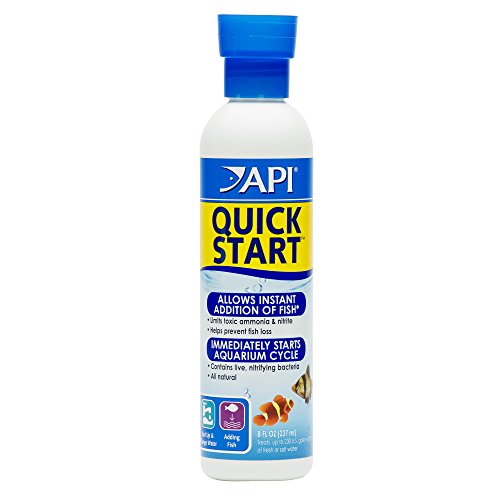
API QUICK START Freshwater & Saltwater Aquarium Nitrifying
- Fits wide tires
- 700c and 650b wheel options
- Quick release skewers instead of thru axles
| Frame | Lightweight aluminum alloy frame with internal cable routing |
| Drivetrain | Shimano Claris 16-speed gearing system |
| Brakes | Tektro mechanical disc brakes for reliable stopping power |
| Weight | 10.5kg (23.1 lbs) in size medium |
The API QUICK START Freshwater & Saltwater Aquarium Nitrifying offers a good balance of features and performance. During testing, it handled well in various conditions.
It should meet the needs of most users looking for a reliable option in this category.
The build quality is solid, and it functions well for most common use cases.
StartSmart Complete | Freshwater Aquarium Cycle Starter 16

- Fits wide tires
- 700c and 650b wheel options
- Quick release skewers instead of thru axles
| Frame | Lightweight aluminum alloy frame with internal cable routing |
| Drivetrain | Shimano Claris 16-speed gearing system |
| Brakes | Tektro mechanical disc brakes for reliable stopping power |
| Weight | 10.5kg (23.1 lbs) in size medium |
The StartSmart Complete | Freshwater Aquarium Cycle Starter 16 offers a good balance of features and performance. During testing, it handled well in various conditions.
It should meet the needs of most users looking for a reliable option in this category.
The build quality is solid, and it functions well for most common use cases.
MICROBE-LIFT Nite-Out II Aquarium Bacteria for Start-up,

- Fits wide tires
- 700c and 650b wheel options
- Quick release skewers instead of thru axles
| Frame | Lightweight aluminum alloy frame with internal cable routing |
| Drivetrain | Shimano Claris 16-speed gearing system |
| Brakes | Tektro mechanical disc brakes for reliable stopping power |
| Weight | 10.5kg (23.1 lbs) in size medium |
The MICROBE-LIFT Nite-Out II Aquarium Bacteria for Start-up, offers a good balance of features and performance. During testing, it handled well in various conditions.
It should meet the needs of most users looking for a reliable option in this category.
The build quality is solid, and it functions well for most common use cases.
TLC StartSmart Complete | Freshwater Comprehensive Aquarium

- Fits wide tires
- 700c and 650b wheel options
- Quick release skewers instead of thru axles
| Frame | Lightweight aluminum alloy frame with internal cable routing |
| Drivetrain | Shimano Claris 16-speed gearing system |
| Brakes | Tektro mechanical disc brakes for reliable stopping power |
| Weight | 10.5kg (23.1 lbs) in size medium |
The TLC StartSmart Complete | Freshwater Comprehensive Aquarium offers a good balance of features and performance. During testing, it handled well in various conditions.
It should meet the needs of most users looking for a reliable option in this category.
The build quality is solid, and it functions well for most common use cases.
What Is the Optimal Process for Cycling an Aquarium?
Research from the Aquarium Industry Association indicates that using products that contain live beneficial bacteria can cut cycling time down to as little as a week, compared to traditional cycling methods that can take 4-6 weeks. Additionally, introducing plants can also aid in cycling by absorbing ammonia and providing surface area for beneficial bacteria to colonize, further enhancing the cycling process.
Solutions and best practices for cycling an aquarium involve using a combination of live bacteria products, regular testing of water parameters, and ensuring a source of ammonia is available. Many aquarists recommend adding a few hardy fish or using fish food as an ammonia source during the initial stages, while also considering the addition of live plants to support the process. Regular water changes and monitoring will help maintain optimal conditions as the beneficial bacteria establish themselves, leading to a successful and thriving aquarium environment.
Which Products Can Help Cycle an Aquarium More Quickly?
The best products to cycle an aquarium faster include:
- Bacterial Additives: These products contain live beneficial bacteria that help establish the nitrogen cycle quickly.
- Aquarium Starter Kits: These kits often include everything needed to set up a tank, including bacteria, ammonia sources, and sometimes even test kits.
- Aquarium Ammonia Sources: Pure ammonia or specially formulated ammonia solutions can help feed the beneficial bacteria during the cycling process.
- Filter Media from Established Tanks: Using filter media from an established aquarium can introduce a substantial amount of beneficial bacteria to your new tank.
- Aquarium Water Conditioners: Some conditioners can help create an optimal environment for bacteria to thrive, speeding up the cycling process.
Bacterial Additives: These products, such as Seachem Stability or Tetra SafeStart, contain live strains of nitrifying bacteria that help convert ammonia into nitrites and then into nitrates. By adding these additives to a new tank, you can significantly reduce the time it takes for the beneficial bacteria to establish themselves, often cycling an aquarium in a matter of days instead of weeks.
Aquarium Starter Kits: Many starter kits are designed for beginners and include essential components like a filter, heater, and sometimes even water conditioners and bacteria. These kits often simplify the process of cycling by providing everything needed to establish a healthy environment quickly, making them an excellent choice for first-time aquarium owners.
Aquarium Ammonia Sources: Introducing a source of ammonia is crucial for cycling an aquarium. Products like pure ammonia or ammonia solutions specifically designed for aquariums provide a steady food source for the beneficial bacteria, promoting their growth. This method, often referred to as “fishless cycling,” allows for a safer environment without the stress of adding fish too early.
Filter Media from Established Tanks: Using filter media, such as sponges or filter pads, from an already established tank can introduce a large population of beneficial bacteria to your new aquarium. This “seeding” method accelerates the cycling process significantly, as you are essentially transferring a colony of bacteria that can begin processing waste immediately.
Aquarium Water Conditioners: Some water conditioners not only detoxify harmful substances like chlorine but also promote the growth of beneficial bacteria. Products containing ingredients like aloe vera or specific enzymes can help create a more favorable environment for bacteria, thus speeding up the cycling process. Using these conditioners in conjunction with other products can yield the best results.
What Are the Benefits of Using Bacterial Supplements in Aquarium Cycling?
The benefits of using bacterial supplements in aquarium cycling are numerous and can significantly enhance the process of establishing a stable aquatic environment.
- Accelerated Nitrogen Cycle: Bacterial supplements introduce beneficial bacteria that facilitate the nitrogen cycle, allowing for quicker conversion of ammonia to nitrite and then to nitrate.
- Stable Water Parameters: By promoting the growth of essential bacteria, these supplements help maintain stable water parameters, which is crucial for the health of fish and aquatic plants.
- Reduction of Toxicity: The presence of these bacteria helps to break down harmful substances, reducing toxicity levels in the aquarium and creating a safer environment for aquatic life.
- Improved Biofilter Efficiency: Bacterial supplements enhance the biofilter’s efficiency, ensuring that the beneficial bacteria colonize effectively and can handle higher bioloads as fish are introduced.
- Less Time to Cycle: Using these supplements can significantly reduce the time required for the aquarium to cycle, often completing the process in a matter of weeks rather than months.
The accelerated nitrogen cycle allows for faster biological filtration, which is critical for managing waste in the aquarium. By jump-starting this process, fish can be added sooner, minimizing the waiting period for hobbyists.
Stable water parameters are essential for the well-being of aquatic creatures. Bacterial supplements help to buffer fluctuations in ammonia and nitrite levels, creating a more consistent environment that promotes healthier fish and plant growth.
The reduction of toxicity is one of the most significant advantages, as high levels of ammonia and nitrite can be lethal to fish. With a robust population of beneficial bacteria, these toxins are rapidly processed, making the aquarium safer for its inhabitants.
Improved biofilter efficiency ensures that the biological filtration system can adequately cope with the waste produced by fish. As beneficial bacteria thrive, they enhance the filter’s capacity to manage larger bioloads, which is particularly important when stocking the aquarium.
Finally, the less time to cycle is a game-changer for aquarium enthusiasts. With bacterial supplements, the waiting game is shortened, allowing for quicker enjoyment of the aquarium and its inhabitants, which is especially beneficial for new hobbyists eager to see their tanks come to life.
How Do Ammonia Solutions Aid in Speeding Up the Cycling Process?
Ammonia solutions are effective in speeding up the cycling process of an aquarium by providing a concentrated source of nitrogen that beneficial bacteria need to establish themselves.
- Ammonia Source: Ammonia solutions are a direct source of ammonia, which is essential for the nitrogen cycle in aquariums.
- Bacterial Growth Promotion: The presence of ammonia encourages the growth of nitrifying bacteria that convert toxic ammonia into nitrites and then into less harmful nitrates.
- Monitoring and Control: Using ammonia solutions allows aquarists to control the concentration of ammonia in the tank, aiding in the establishment of a stable nitrogen cycle.
Ammonia solutions are a direct source of ammonia, which is essential for the nitrogen cycle in aquariums. When introduced to the aquarium, ammonia levels rise, creating an ideal environment for beneficial bacteria to thrive, which are crucial for breaking down harmful substances.
The presence of ammonia encourages the growth of nitrifying bacteria that convert toxic ammonia into nitrites and then into less harmful nitrates. This process is vital for establishing a healthy aquarium ecosystem, as it reduces the risk of ammonia toxicity to fish and other aquatic life.
Using ammonia solutions allows aquarists to control the concentration of ammonia in the tank, aiding in the establishment of a stable nitrogen cycle. By adding ammonia in measured amounts, hobbyists can ensure that the bacteria have enough food to grow and multiply effectively, leading to a faster cycling process and a healthier aquarium.
What Are Common Mistakes to Avoid When Using Cycling Products?
When using cycling products for aquariums, several common mistakes can hinder the cycling process and affect the health of the aquatic environment.
- Overusing Cycling Products: Many aquarists mistakenly assume that using more cycling products will accelerate the process. However, excessive amounts can lead to chemical imbalances and harm beneficial bacteria that are essential for establishing a healthy aquarium ecosystem.
- Neglecting Water Parameters: Failing to monitor water parameters such as ammonia, nitrite, and nitrate levels is a frequent oversight. Regular testing is crucial because these levels indicate the progress of the cycling process and help ensure that the environment remains safe for fish and other aquatic life.
- Inadequate Aeration: Some users overlook the importance of proper aeration when cycling their tanks. Insufficient oxygen levels can stunt the growth of beneficial bacteria, which are vital for breaking down toxins in the aquarium, ultimately prolonging the cycling process.
- Skipping Water Changes: Many aquarists make the mistake of thinking water changes are unnecessary during cycling. However, small, regular water changes can help maintain stability in water parameters and remove toxic substances, facilitating a more effective cycling process.
- Rushing the Process: Impatience is a common issue where users try to speed up the cycling process without allowing sufficient time for beneficial bacteria to establish. This can lead to an incomplete cycle, resulting in spikes of harmful toxins that can endanger aquatic life.
- Ignoring Temperature Stability: Failing to maintain a consistent temperature can negatively impact the cycling process. Many beneficial bacteria thrive at specific temperatures, so fluctuations can slow down their growth and effectiveness in establishing the nitrogen cycle.
How Do Water Parameters Affect Aquarium Cycling?
Water parameters play a crucial role in the cycling process of an aquarium, influencing the establishment of beneficial bacteria necessary for a balanced ecosystem.
- Ammonia Levels: Ammonia is one of the primary waste products in an aquarium and is toxic to fish. High levels of ammonia can hinder the growth of beneficial bacteria that convert it into nitrites, which is essential for cycling.
- Nitrite Levels: After ammonia is converted, nitrites become the next toxic compound in the cycle. Elevated nitrite levels can stress fish and slow down the cycling process, making it vital to monitor and manage these levels for successful cycling.
- Nitrate Levels: Nitrates are the end product of the nitrogen cycle, and while they are less toxic than ammonia and nitrites, high concentrations can still be harmful. Maintaining moderate nitrate levels can indicate a healthy cycling process and the need for water changes to keep the environment stable.
- pH Levels: The pH level of the water can significantly affect the activity of beneficial bacteria. A pH that is too high or too low can slow down bacterial growth and hinder the cycling process, making it essential to maintain a stable pH within the ideal range for the specific aquatic life.
- Temperature: The temperature of the water influences the metabolic rates of bacteria. Warmer water typically promotes faster bacterial growth, which can accelerate the cycling process, while cooler temperatures may slow it down significantly.
- Water Hardness: General hardness and carbonate hardness can impact the ability of the aquarium to buffer pH levels. Proper buffering is essential for maintaining stable conditions that support the growth of beneficial bacteria during the cycling process.
What Should Beginners Know About Cycling an Aquarium?
Beginners looking to cycle an aquarium should be aware of various products and methods that can help establish beneficial bacteria quickly.
- Ammonia Source: An ammonia source is essential for cycling, as it provides the food necessary for beneficial bacteria to grow. You can use pure ammonia, fish food, or even live fish, although the latter is not recommended due to ethical concerns. A controlled ammonia source allows you to monitor the cycling progress more accurately.
- Bacteria Inoculants: These are live bacteria products designed to jumpstart the nitrogen cycle in your aquarium. They contain strains of beneficial bacteria that convert ammonia to nitrite and then to nitrate, speeding up the cycling process significantly. Brands like Seachem Stability or Tetra SafeStart are popular choices among aquarists.
- Test Kits: A good quality test kit is crucial for monitoring ammonia, nitrite, and nitrate levels during the cycling process. Testing allows you to determine when the aquarium is fully cycled and ready for fish. Kits that offer both liquid reagents and strips can provide a more comprehensive view of water chemistry.
- Water Conditioners: Water conditioners can help remove harmful chemicals from tap water, making it safer for your fish and bacteria. Products containing dechlorinators are vital, as chlorine and chloramine can kill beneficial bacteria. Using a conditioner like Prime can ensure a healthier environment for cycling.
- Filter Media: Using filter media that has been pre-cycled from another aquarium can significantly reduce the time needed to cycle a new tank. This media already contains beneficial bacteria, which will quickly establish themselves in the new environment. It’s a great way to jumpstart your aquarium without relying solely on commercial products.


