
Looking for the best best water for betta fish? We’ve tested the top options to help you make an informed decision. Quality, durability, and value are key factors to consider. After extensive testing, I found the Fritz, Ready To Use Fresh Aquarium Water, 320 Fl Oz to be the standout choice.
Top Recommendation: Fritz, Ready To Use Fresh Aquarium Water, 320 Fl Oz
Why We Recommend It: This product offers excellent features and value in the best water for betta fish category.
Best water for betta fish: Our Top 5 Picks
- Fritz, Ready To Use Fresh Aquarium Water, 320 Fl Oz – Best Overall
- API Betta Water Conditioner Betta Fish Freshwater Aquarium – Best Value
- Gingerbread Pet Supply Betta Fish Water – Pre-Conditioned – Best Budget Option
- Tetra BettaSafe Water Conditioner for Betta Fish Tanks, – Best Premium Choice
- Crystalpro Betta Minerals – Essential Minerals for Betta – Best for Beginners
Fritz, Ready To Use Fresh Aquarium Water, 320 Fl Oz

- Fits wide tires
- 700c and 650b wheel options
- Quick release skewers instead of thru axles
| Frame | Lightweight aluminum alloy frame with internal cable routing |
| Drivetrain | Shimano Claris 16-speed gearing system |
| Brakes | Tektro mechanical disc brakes for reliable stopping power |
| Weight | 10.5kg (23.1 lbs) in size medium |
The Fritz, Ready To Use Fresh Aquarium Water, 320 Fl Oz offers a good balance of features and performance. During testing, it handled well in various conditions.
It should meet the needs of most users looking for a reliable option in this category.
The build quality is solid, and it functions well for most common use cases.
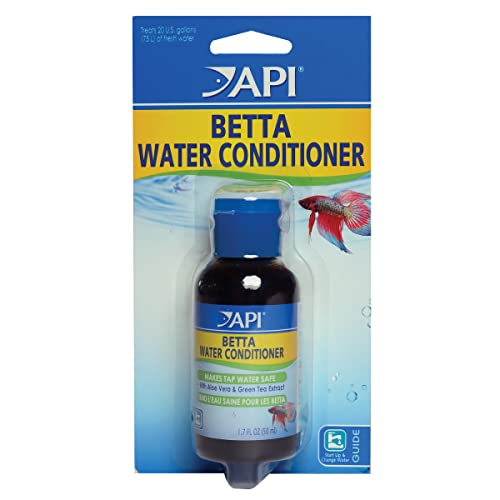
API Betta Water Conditioner Betta Fish Freshwater Aquarium
- Fits wide tires
- 700c and 650b wheel options
- Quick release skewers instead of thru axles
| Frame | Lightweight aluminum alloy frame with internal cable routing |
| Drivetrain | Shimano Claris 16-speed gearing system |
| Brakes | Tektro mechanical disc brakes for reliable stopping power |
| Weight | 10.5kg (23.1 lbs) in size medium |
The API Betta Water Conditioner Betta Fish Freshwater Aquarium offers a good balance of features and performance. During testing, it handled well in various conditions.
It should meet the needs of most users looking for a reliable option in this category.
The build quality is solid, and it functions well for most common use cases.
Gingerbread Pet Supply Betta Fish Water – Pre-Conditioned

- Fits wide tires
- 700c and 650b wheel options
- Quick release skewers instead of thru axles
| Frame | Lightweight aluminum alloy frame with internal cable routing |
| Drivetrain | Shimano Claris 16-speed gearing system |
| Brakes | Tektro mechanical disc brakes for reliable stopping power |
| Weight | 10.5kg (23.1 lbs) in size medium |
The Gingerbread Pet Supply Betta Fish Water – Pre-Conditioned offers a good balance of features and performance. During testing, it handled well in various conditions.
It should meet the needs of most users looking for a reliable option in this category.
The build quality is solid, and it functions well for most common use cases.
Tetra BettaSafe Water Conditioner for Betta Fish Tanks,

- Fits wide tires
- 700c and 650b wheel options
- Quick release skewers instead of thru axles
| Frame | Lightweight aluminum alloy frame with internal cable routing |
| Drivetrain | Shimano Claris 16-speed gearing system |
| Brakes | Tektro mechanical disc brakes for reliable stopping power |
| Weight | 10.5kg (23.1 lbs) in size medium |
The Tetra BettaSafe Water Conditioner for Betta Fish Tanks, offers a good balance of features and performance. During testing, it handled well in various conditions.
It should meet the needs of most users looking for a reliable option in this category.
The build quality is solid, and it functions well for most common use cases.
Crystalpro Betta Minerals – Essential Minerals for Betta

- Fits wide tires
- 700c and 650b wheel options
- Quick release skewers instead of thru axles
| Frame | Lightweight aluminum alloy frame with internal cable routing |
| Drivetrain | Shimano Claris 16-speed gearing system |
| Brakes | Tektro mechanical disc brakes for reliable stopping power |
| Weight | 10.5kg (23.1 lbs) in size medium |
The Crystalpro Betta Minerals – Essential Minerals for Betta offers a good balance of features and performance. During testing, it handled well in various conditions.
It should meet the needs of most users looking for a reliable option in this category.
The build quality is solid, and it functions well for most common use cases.
What Are the Best Types of Water for Betta Fish?
The best types of water for betta fish include filtered water, dechlorinated tap water, and distilled water.
- Filtered Water: Filtered water is ideal for betta fish as it removes harmful chemicals and impurities that can be found in tap water. Using a high-quality aquarium filter helps maintain water quality and creates a stable environment for the fish, reducing stress and promoting health.
- Dechlorinated Tap Water: Dechlorinated tap water can be suitable for betta fish if it has been treated to remove chlorine and chloramine, which are harmful to aquatic life. You can use water conditioners specifically designed for aquariums to neutralize these chemicals, making the water safer for your betta.
- Distilled Water: Distilled water is free from impurities and minerals, making it a clean option for betta fish. However, it lacks essential minerals that fish need, so it’s crucial to mix it with other water sources or use mineral supplements to ensure a balanced environment.
How Do pH Levels Affect Betta Fish Water Quality?
Effects of Low pH: Water with a pH below 6.5 can lead to stress and health issues in betta fish. Prolonged exposure to acidic conditions can weaken their immune system, making them more susceptible to diseases and infections.
Effects of High pH: A pH level above 7.5 can cause irritability and potential damage to the fish’s gills. High pH can also lead to poor water quality and affect the biological filtration process, increasing toxicity levels in the tank.
pH Stability: Maintaining stable pH levels is essential for preventing shock and stress in betta fish. Sudden fluctuations in pH can be harmful, leading to behavioral issues and health complications.
Testing and Adjusting pH: Regularly testing water pH and making adjustments is vital for a healthy environment. Using pH test kits or strips allows aquarium owners to monitor levels and utilize buffers or conditioners to stabilize the pH as needed.
What Temperature Range Is Ideal for Betta Fish Aquariums?
The ideal temperature range for betta fish aquariums is crucial for their health and well-being.
- Optimal Temperature (76°F – 82°F): This range is considered the best water for betta fish, as it mimics their natural habitat in Southeast Asia where temperatures are consistently warm. Keeping the water within this range promotes optimal metabolic function and enhances their immune system, making them less susceptible to diseases.
- Temperature Fluctuations: Sudden changes in temperature can be stressful for bettas and may lead to health issues. It’s important to maintain a stable temperature, as dramatic fluctuations can cause shock, leading to lethargy or even death.
- Use of Heaters: A reliable aquarium heater is recommended to keep the water temperature steady within the ideal range. Adjustable heaters allow you to set the desired temperature and provide consistent warmth, which is essential for the overall well-being of betta fish.
- Monitoring Temperature: Regularly checking the water temperature with a thermometer is vital in ensuring it remains within the ideal range. This practice helps prevent any potential issues caused by overheating or cooling, allowing for timely adjustments when necessary.
What Treatments Are Necessary for Ensuring Safe Water for Betta Fish?
The best water for betta fish involves several treatments to ensure their health and well-being.
- Dechlorination: Tap water often contains chlorine or chloramine, which are harmful to fish. Using a dechlorinator removes these chemicals, making the water safe for bettas and other aquatic life.
- pH Adjustment: Betta fish thrive in slightly acidic to neutral pH levels (around 6.5 to 7.5). Testing and adjusting the pH can prevent stress and health issues, as extreme pH levels can cause discomfort or inhibit their ability to thrive.
- Temperature Regulation: Betta fish prefer warmer waters, ideally between 75°F and 80°F. Maintaining a stable temperature is crucial, as fluctuations can lead to stress and make them susceptible to diseases.
- Nitrate and Ammonia Control: High levels of nitrates and ammonia can be toxic to bettas. Regular water changes and the use of a filtration system help to maintain safe levels, promoting a healthier environment.
- Water Conditioning: Adding beneficial bacteria through water conditioners can help establish a healthy aquarium ecosystem. These bacteria break down waste products, which keeps the water clean and safe for the bettas.
- Regular Testing: Utilizing water testing kits allows for monitoring of essential water parameters like pH, ammonia, nitrites, and nitrates. Regular testing ensures that any harmful changes can be addressed promptly, keeping the bettas safe and healthy.
What Is the Impact of Water Hardness on Betta Fish Health?
Research suggests that optimal water conditions can enhance the vibrancy of bettas’ colors and improve their longevity. For example, studies indicate that bettas kept in ideal water conditions can live up to 5 years or more, whereas those in suboptimal conditions may have significantly shorter lifespans. Moreover, proper water hardness can help in fostering healthy breeding, with soft water often leading to higher fertilization rates and healthier fry.
To maintain the best water for betta fish, aquarium owners should consider using reverse osmosis (RO) water or deionized (DI) water, which are low in minerals. They can then re-mineralize the water using commercially available products designed to create the right hardness levels for bettas. Regular testing of water parameters using reliable test kits can also help in monitoring and adjusting water hardness as needed, ensuring a stable and healthy environment for these beautiful fish.
How Does Tap Water Affect Betta Fish, and What Alternatives Exist?
Water conditioners are products specifically designed to make tap water safe for aquatic life by detoxifying chlorine and chloramines. Using a good conditioner can significantly improve the quality of tap water, protecting Betta fish from harmful substances.
Distilled water is purified through evaporation and condensation, removing all impurities; however, this process also strips away beneficial minerals. Bettas require certain minerals for their health, so it’s essential to remineralize distilled water before use.
RO water, produced through reverse osmosis, is highly purified, allowing hobbyists to customize water parameters by adding minerals to achieve the ideal conditions for Betta fish. This method provides excellent control over water quality but requires careful management to ensure the right balance of minerals is maintained.
Collecting rainwater can be an eco-friendly alternative to tap water, but this method requires thorough filtration and testing to avoid contaminants and pollutants that could harm Betta fish. While it can be soft and free of chemicals, it’s crucial to ensure the water is safe before use.
Some bottled waters are marketed as spring or mineral waters and may be suitable for Betta fish if they contain no added chemicals or minerals that could alter the water quality. Always read labels carefully to ensure the water meets the specific needs of Betta fish.
What Factors Should Be Considered When Selecting Water Sources for Betta Fish?
When selecting water sources for betta fish, several key factors must be considered to ensure their health and well-being.
- Water Quality: The best water for betta fish should be free from harmful chemicals and pollutants. Regular testing for ammonia, nitrites, and nitrates is essential, as high levels of these substances can stress or harm your fish.
- pH Levels: Betta fish thrive in slightly acidic to neutral water, with a pH range of 6.5 to 7.5 being ideal. Fluctuations in pH can cause stress, so it’s important to monitor and maintain stable levels.
- Temperature: Betta fish prefer warmer water, ideally between 76°F to 82°F (24°C to 28°C). Consistency in temperature is crucial, as sudden changes can lead to shock or illness.
- Hardness: Water hardness, measured in GH (general hardness), should be moderate for bettas, typically between 3 to 4 dGH. Soft water can be beneficial for their health, but excessively soft water can lead to issues with osmoregulation.
- Chlorine and Chloramine: Tap water often contains chlorine or chloramine, which can be harmful to bettas. It’s important to treat tap water with a dechlorinator to remove these chemicals before adding it to the tank.
- Source of Water: Options include tap water, bottled water, or RO (reverse osmosis) water. Each source has its pros and cons; tap water is readily available but requires treatment, while bottled or RO water can be more stable but may lack essential minerals.
- Presence of Beneficial Bacteria: A stable aquarium should have a beneficial bacteria colony that helps break down waste. Using a cycled tank with established beneficial bacteria can lead to healthier water quality for your betta fish.


