
Looking for the best best aquarium filtration for a single tank? We’ve tested the top options to help you make an informed decision. Quality, durability, and value are key factors to consider. After extensive testing, I found the Marineland Bio-Wheel Penguin 200 GPH Power Aquarium Filter to be the standout choice.
Top Recommendation: Marineland Bio-Wheel Penguin 200 GPH Power Aquarium Filter
Why We Recommend It: This product offers excellent features and value in the best aquarium filtration for a single tank category.
Best aquarium filtration for a single tank: Our Top 5 Picks
- Marineland Bio-Wheel Penguin 200 GPH Power Aquarium Filter – Best Overall
- DaToo Aquarium Hang On Filter Small Fish Tank Hanging – Best Value
- Pawfly Internal Aquarium Filter 80 GPH Water Pump Quiet – Best Budget Option
- HIERYAN Mini Filter, Mini Aquarium Single Sponge Quiet – Best Premium Choice
- Tetra Whisper 27 GPH Internal Power Filter For Aquariums | – Best for Beginners
Marineland Bio-Wheel Penguin 200 GPH Power Aquarium Filter

- Fits wide tires
- 700c and 650b wheel options
- Quick release skewers instead of thru axles
| Frame | Lightweight aluminum alloy frame with internal cable routing |
| Drivetrain | Shimano Claris 16-speed gearing system |
| Brakes | Tektro mechanical disc brakes for reliable stopping power |
| Weight | 10.5kg (23.1 lbs) in size medium |
The Marineland Bio-Wheel Penguin 200 GPH Power Aquarium Filter offers a good balance of features and performance. During testing, it handled well in various conditions.
It should meet the needs of most users looking for a reliable option in this category.
The build quality is solid, and it functions well for most common use cases.
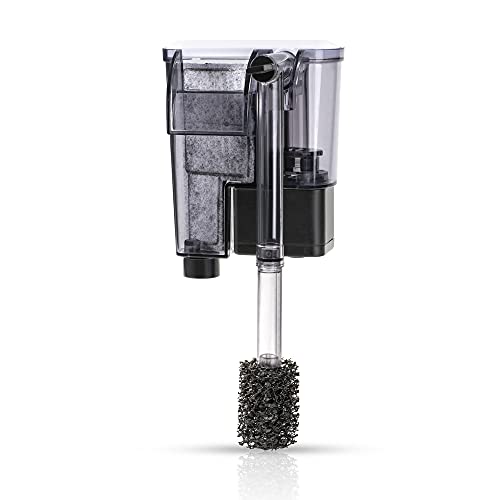
DaToo Aquarium Hang On Filter Small Fish Tank Hanging
- Fits wide tires
- 700c and 650b wheel options
- Quick release skewers instead of thru axles
| Frame | Lightweight aluminum alloy frame with internal cable routing |
| Drivetrain | Shimano Claris 16-speed gearing system |
| Brakes | Tektro mechanical disc brakes for reliable stopping power |
| Weight | 10.5kg (23.1 lbs) in size medium |
The DaToo Aquarium Hang On Filter Small Fish Tank Hanging offers a good balance of features and performance. During testing, it handled well in various conditions.
It should meet the needs of most users looking for a reliable option in this category.
The build quality is solid, and it functions well for most common use cases.
Pawfly Internal Aquarium Filter 80 GPH Water Pump Quiet

- Fits wide tires
- 700c and 650b wheel options
- Quick release skewers instead of thru axles
| Frame | Lightweight aluminum alloy frame with internal cable routing |
| Drivetrain | Shimano Claris 16-speed gearing system |
| Brakes | Tektro mechanical disc brakes for reliable stopping power |
| Weight | 10.5kg (23.1 lbs) in size medium |
The Pawfly Internal Aquarium Filter 80 GPH Water Pump Quiet offers a good balance of features and performance. During testing, it handled well in various conditions.
It should meet the needs of most users looking for a reliable option in this category.
The build quality is solid, and it functions well for most common use cases.
HIERYAN Mini Filter, Mini Aquarium Single Sponge Quiet

- Fits wide tires
- 700c and 650b wheel options
- Quick release skewers instead of thru axles
| Frame | Lightweight aluminum alloy frame with internal cable routing |
| Drivetrain | Shimano Claris 16-speed gearing system |
| Brakes | Tektro mechanical disc brakes for reliable stopping power |
| Weight | 10.5kg (23.1 lbs) in size medium |
The HIERYAN Mini Filter, Mini Aquarium Single Sponge Quiet offers a good balance of features and performance. During testing, it handled well in various conditions.
It should meet the needs of most users looking for a reliable option in this category.
The build quality is solid, and it functions well for most common use cases.
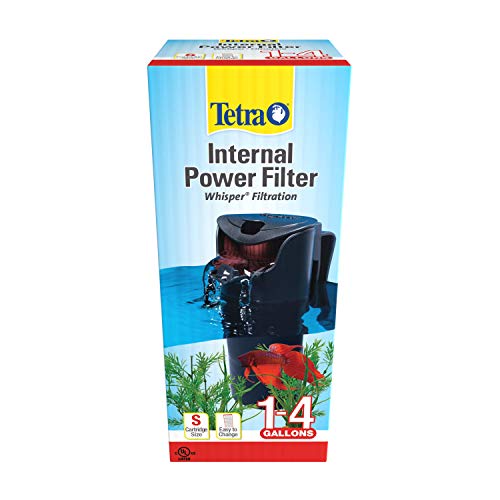
Tetra Whisper 27 GPH Internal Power Filter For Aquariums |
- Fits wide tires
- 700c and 650b wheel options
- Quick release skewers instead of thru axles
| Frame | Lightweight aluminum alloy frame with internal cable routing |
| Drivetrain | Shimano Claris 16-speed gearing system |
| Brakes | Tektro mechanical disc brakes for reliable stopping power |
| Weight | 10.5kg (23.1 lbs) in size medium |
The Tetra Whisper 27 GPH Internal Power Filter For Aquariums | offers a good balance of features and performance. During testing, it handled well in various conditions.
It should meet the needs of most users looking for a reliable option in this category.
The build quality is solid, and it functions well for most common use cases.
What Is the Best Type of Filtration for a Single Tank?
Benefits of a good filtration system include reduced maintenance time, improved fish health, and clearer water. For example, a properly sized canister filter or hang-on-back filter can provide efficient mechanical and biological filtration, while also being easy to maintain. Additionally, using filter media that promotes beneficial bacteria growth can enhance the biological filtration process, ensuring a stable and clean environment.
Solutions or best practices for achieving optimal filtration in a single tank include selecting a filter rated for the tank size, regularly replacing or cleaning filter media, and monitoring water quality consistently. Utilizing a pre-filter sponge can also help extend the lifespan of the main filter by catching larger particles before they clog the system. Moreover, considering species-specific requirements, such as the need for higher oxygen levels or specific pH ranges, can guide the selection of the most suitable filtration method.
How Do Mechanical Filters Contribute to Aquarium Health?
Improved Biological Filtration: Clean water from mechanical filtering allows beneficial bacteria to thrive, which are essential for breaking down toxic ammonia and nitrites. This biological filtration process is vital for maintaining a balanced nitrogen cycle, crucial for the long-term health of the aquarium.
Maintenance and Upkeep: Regular cleaning and replacement of mechanical filter media is necessary to ensure efficient operation, reducing the risk of water quality issues. Neglecting filter maintenance can lead to clogging, which diminishes the filter’s effectiveness and can result in deteriorating water conditions.
What Benefits Do Biological Filters Provide for Your Aquatic Life?
Biological filters play a crucial role in maintaining a healthy environment for aquatic life within a single tank. They are designed to support the natural filtration process by promoting the growth of beneficial bacteria that help break down harmful substances. Here are some key benefits of biological filtration:
-
Ammonia and Nitrite Reduction: Biological filters convert toxic ammonia and nitrites, produced from fish waste and decaying food, into less harmful nitrates through a process known as nitrification. This is essential for preventing fish stress and disease.
-
Enhanced Water Quality: By facilitating the breakdown of organic waste, biological filters contribute to clearer water, making it more aesthetically pleasing and healthier for fish.
-
Stable Ecosystem: The presence of beneficial bacteria helps maintain a balanced ecosystem within the aquarium, minimizing fluctuations in water chemistry that can harm aquatic life.
-
Low Maintenance: Once established, biological filters require minimal upkeep compared to mechanical or chemical filtration methods, as they operate through natural processes.
Incorporating a biological filter not only improves water quality but also fosters a thriving and sustainable environment for fish and plant life in your aquarium.
Why Is Chemical Filtration Important in a Home Aquarium?
Moreover, the importance of chemical filtration is underscored by its role in supporting the biological filtration process. As beneficial bacteria break down waste products, they can produce intermediate compounds that may still be harmful. Chemical filtration acts as a secondary line of defense, ensuring that any residual toxins are removed before they can impact the aquatic inhabitants. This symbiotic relationship between biological and chemical filtration is critical for maintaining optimal water quality in a single tank setup.
How Do You Choose the Right Filtration System for Your Single Tank?
Choosing the right filtration system for your single tank involves considering various factors such as tank size, type of fish, and maintenance preferences.
- Mechanical Filtration: This type of filtration physically removes debris and particulate matter from the water. It typically involves sponge filters or filter pads, which need regular cleaning or replacement to maintain efficiency.
- Chemical Filtration: Chemical filtration uses activated carbon or other chemical media to remove toxins and impurities from the water. This method is essential for maintaining water clarity and quality, particularly in tanks with sensitive fish that require stable conditions.
- Biological Filtration: Biological filtration facilitates the growth of beneficial bacteria that break down harmful ammonia and nitrites produced by fish waste. This process is crucial for maintaining a healthy aquarium ecosystem, and it often involves using bio-balls or ceramic rings in the filter.
- Canister Filters: Canister filters are versatile and suitable for larger single tanks, allowing for all three types of filtration within one unit. They are external filters that can be customized with different media, providing excellent flow rates and water turnover.
- Hang-on-Back (HOB) Filters: HOB filters are easy to install and maintain, making them popular for smaller single tanks. They provide mechanical and biological filtration while being compact and efficient, but they may require more frequent media changes compared to canister filters.
- Sponge Filters: Ideal for small tanks or breeding setups, sponge filters provide gentle mechanical and biological filtration. They are air-driven, making them energy-efficient and safe for fry, but may not be sufficient for heavily stocked tanks.
- Submersible Filters: These filters are placed directly inside the aquarium and are suitable for smaller tanks or aquascapes. They provide effective filtration while also adding circulation, but they may be less powerful than other filter types for larger volumes of water.
What Factors Should Be Considered When Match Tank Size to Filter Type?
When matching tank size to filter type, several key factors should be considered to ensure optimal filtration and a healthy aquatic environment.
- Tank Volume: The volume of water in the aquarium is crucial as it determines the appropriate flow rate of the filter. A filter that is too strong for a small tank can create excessive water movement, stressing the fish, while an undersized filter for a large tank may not adequately remove waste or maintain water clarity.
- Filter Flow Rate: Measured in gallons per hour (GPH), the flow rate indicates how quickly the filter can process water. Ideally, the filter should be able to cycle the entire tank volume several times an hour, which varies depending on the species of fish and plants present, as some prefer calmer waters.
- Filtration Type: Different filters provide varying levels of mechanical, chemical, and biological filtration. For example, hang-on-back filters are often suitable for smaller tanks, while canister filters may be better for larger setups as they offer more media options and higher flow rates.
- Tank Bioload: The bioload refers to the amount of waste produced by the fish and other inhabitants. A heavily stocked tank will require a more powerful filtration system to cope with the increased waste, while a lightly stocked tank may suffice with a less robust filter.
- Maintenance Requirements: Some filters require more frequent maintenance than others, which can be a factor for hobbyists with limited time. Canister filters, for instance, typically need less frequent cleaning than sponge or hang-on-back filters, making them more suitable for larger tanks with higher bioloads.
- Noise Level: The noise produced by certain filter types can impact the enjoyment of the aquarium environment. Some filters, like canister and external filters, tend to be quieter compared to internal or hang-on-back filters, which may be important in home or office settings.
How Does Water Quality Determine the Best Filter for Your Fish?
The water quality of an aquarium is crucial in determining the best filtration system for a single tank.
- Mechanical Filtration: This type of filtration involves the physical removal of debris and particles from the water. Mechanical filters use sponges, foam pads, or filter media that trap solid waste, ensuring clear water and reducing the load on biological filters.
- Biological Filtration: Biological filtration relies on beneficial bacteria to break down harmful toxins like ammonia and nitrites. This process occurs in filter media that provides a large surface area for these bacteria to thrive, making it essential for maintaining a stable and healthy environment for fish.
- Chemical Filtration: Chemical filtration utilizes activated carbon or other materials to remove dissolved impurities and toxins from the water. It is particularly effective for removing medications, odors, and discoloration, and should be used selectively to avoid stripping beneficial substances from the aquarium.
- Flow Rate Considerations: The flow rate of a filter is important as it determines how quickly water is cycled through the tank. For a single tank, the filter should provide a flow rate that is appropriate for the species of fish and plants, ensuring that water is adequately circulated without creating excessive current that could stress the inhabitants.
- Size and Type of Aquarium: The size and type of the aquarium significantly influence the choice of filtration system. Larger tanks may require more powerful filters or multiple filtration methods, while smaller tanks might benefit from compact, all-in-one filter units that can provide sufficient filtration without taking up too much space.
What Are Some Recommended Filtration Products for a Single Tank?
The best aquarium filtration products for a single tank provide efficient cleaning and maintenance while ensuring a healthy environment for aquatic life.
- Hang-on-Back (HOB) Filters: These filters are popular for their ease of installation and maintenance. They hang on the back of the aquarium and use a simple process of drawing water in, filtering it through various media, and then returning it to the tank, providing both mechanical and biological filtration.
- Cylinder Canister Filters: Canister filters are versatile and powerful, capable of handling larger tanks and providing multiple stages of filtration. They are placed outside the tank and can hold various filter media, allowing for customization based on the specific needs of the aquarium.
- Internal Filters: Ideal for smaller tanks, internal filters are placed inside the aquarium and are relatively easy to set up. They provide effective water circulation and can also include features like adjustable flow rates and integrated aeration to enhance oxygenation in the water.
- sponge Filters: These filters are often used in breeding tanks or for fry due to their gentle filtration method. They consist of a sponge that provides biological filtration while also acting as a physical barrier to prevent young fish from being sucked into the filter system.
- Submersible Filters: These filters are fully submerged in the aquarium and are particularly useful for tanks that require additional aeration. They often come with adjustable flow rates and can be used in both freshwater and saltwater setups, providing efficient filtering without taking up much space.
What Makes Hang-On-Back Filters Suitable for Small Aquariums?
Hang-on-back (HOB) filters are often considered one of the best aquarium filtration options for single tanks, particularly small ones, due to their effectiveness and ease of use.
- Compact Design: HOB filters are designed to hang on the back of the aquarium, saving valuable space inside the tank. This compact design makes them ideal for small aquariums where every inch counts.
- Easy Installation and Maintenance: These filters are user-friendly and can be set up quickly without the need for complicated plumbing. Maintenance is also straightforward, as you can easily access the filter media without disturbing the aquarium’s setup.
- Effective Filtration: HOB filters provide mechanical, biological, and chemical filtration, which collectively helps maintain water clarity and quality. They are capable of filtering out debris, providing a surface area for beneficial bacteria, and removing toxins, making them suitable for small tanks that require efficient filtration.
- Adjustable Flow Rates: Many HOB filters come with adjustable flow rates, allowing you to customize the water flow according to the needs of your specific fish and plants. This flexibility is particularly beneficial in small aquariums where some species may prefer calmer water conditions.
- Affordable Options: HOB filters are generally more budget-friendly compared to other types of filtration systems. This affordability makes them an attractive choice for hobbyists with small tanks who are looking for effective yet economical solutions.
When Should You Opt for Canister Filters for Good Filtration?
Canister filters are an excellent choice for effective aquarium filtration, especially for single tank setups due to their versatility and efficiency.
- Large Tank Size: Canister filters are ideal for larger aquariums, typically over 50 gallons, where more robust filtration is required to maintain water quality.
- High Bioload: If your tank houses multiple fish or larger species that produce more waste, a canister filter can handle the increased bioload effectively.
- Aquascaping Needs: For tanks with intricate aquascaping, canister filters allow for greater flexibility in placement since the filter can be tucked away outside the tank.
- Customizable Media Options: Canister filters provide the ability to customize filtration media types, allowing users to tailor the filter for biological, mechanical, and chemical filtration needs.
- Quiet Operation: Canister filters usually operate more quietly than other types of filters, making them suitable for home or office environments where noise may be a concern.
Large tanks benefit significantly from canister filters due to their powerful pump systems that can circulate water more effectively, ensuring that all areas of the aquarium receive adequate filtration. This is particularly important in larger setups where stagnant areas can lead to water quality issues.
In tanks with a high bioload, such as those containing multiple fish or larger species, canister filters are advantageous because they can manage the additional waste produced, thus maintaining a healthier environment for aquatic life. Their capacity to hold more filter media allows for better biological filtration, reducing harmful ammonia and nitrite levels.
For aquascaped tanks, canister filters offer the benefit of discreet placement, allowing for a clean aesthetic without visible equipment disrupting the visual appeal. This flexibility is especially beneficial for setups with rocks, plants, or other decorations that might obstruct internal filters.
The customizability of media options in canister filters means that hobbyists can select the best combination of mechanical, biological, and chemical filtration materials to suit their specific tank needs. This adaptability ensures that the filter can evolve alongside the tank’s requirements as it matures or changes.
Lastly, the quiet operation of canister filters makes them a preferred choice for environments where silence is key, such as bedrooms or offices. Their design minimizes noise, allowing for a peaceful atmosphere while still effectively maintaining water clarity and quality.
How Can You Maintain Your Aquarium Filter for Optimal Performance?
To maintain your aquarium filter for optimal performance, consider these essential practices:
- Regular Cleaning: Clean your filter media regularly to prevent buildup of debris and harmful bacteria.
- Replace Filter Media: Change filter cartridges or media according to the manufacturer’s recommendations to ensure effective filtration.
- Check Water Flow: Monitor the water flow rate to ensure your filter is operating efficiently and adjust as necessary.
- Inspect for Damage: Routinely check the filter components for any signs of wear or damage to avoid failures.
- Maintain Water Level: Ensure the water level in your aquarium is adequate for the filter to function properly.
Regular Cleaning: Cleaning your filter media is crucial as it helps remove accumulated waste, uneaten food, and detritus that can reduce the filter’s effectiveness. Aim to clean the filter media in tank water to preserve beneficial bacteria, and perform this task every few weeks or as needed based on your tank’s bioload.
Replace Filter Media: Over time, filter media can become saturated with waste and lose its effectiveness. Follow the manufacturer’s guidelines for replacing cartridges or media to maintain optimal water quality and avoid sudden changes in your aquarium’s environment.
Check Water Flow: A proper water flow rate is essential for effective filtration, as it ensures that all the water in the tank passes through the filter. If you notice a decrease in flow, this may indicate a clog or that the media needs cleaning or replacement.
Inspect for Damage: Regularly inspect your filter for any signs of wear, such as cracks in the housing or frayed power cords. Promptly addressing any damage can prevent leaks, electrical issues, or complete filter failure, ensuring your aquarium remains a healthy environment for your fish.
Maintain Water Level: The water level in your aquarium affects filter performance; if it’s too low, the filter may not function properly. Ensure your aquarium is filled to the recommended level to avoid air being drawn into the pump, which can lead to inefficiency and potential damage.
What Regular Maintenance Tasks Are Essential for Filtration Systems?
Regular maintenance tasks are crucial for ensuring the efficiency and longevity of aquarium filtration systems.
- Cleaning Filter Media: Regularly rinsing or replacing filter media is essential to remove accumulated debris and waste. This process helps maintain water flow and prevents the buildup of harmful substances that can affect the aquarium’s ecosystem.
- Inspecting and Replacing Pump Impellers: Checking the pump impellers for wear and tear is important to ensure optimal water circulation. If the impeller is damaged or worn out, it can lead to reduced filtration efficiency and should be replaced to maintain proper water movement.
- Checking Water Parameters: Monitoring water parameters such as ammonia, nitrite, and nitrate levels is vital for diagnosing potential issues with the filtration system. Regular testing can help identify if the filter is performing well or if there are underlying problems that need to be addressed.
- Cleaning or Replacing Tubing: Inspecting and cleaning the tubing connected to the filter is necessary to prevent clogs and ensure proper water flow. Over time, algae or debris can accumulate in the tubing, which may require replacement if cleaning is insufficient.
- Monitoring Flow Rate: Keeping an eye on the flow rate of the filtration system can help detect any issues early on. A significant drop in flow rate may indicate clogging or damage within the filter that needs immediate attention to maintain effective filtration.
How Can You Identify When Your Filter Needs Servicing?
Identifying when your aquarium filter needs servicing is crucial for maintaining a healthy aquatic environment.
- Increased Water Turbidity: If you notice that the water in your tank is becoming cloudy or dirty, it may indicate that your filter is not effectively removing debris and particulates. This could be a sign that the filter media is clogged and requires cleaning or replacement.
- Reduced Water Flow: A significant drop in water flow or circulation can suggest that the filter is blocked or needs maintenance. Regularly checking the flow rate can help you determine if it’s time to clean the filter or replace the impeller.
- Unpleasant Odors: Foul smells coming from the tank can be a warning sign that the filter is not functioning properly. This can happen when organic waste accumulates and the filter is unable to process it, indicating that it may need servicing.
- Frequent Algae Growth: An increase in algae growth can be linked to poor filtration. If your filter isn’t effectively removing nutrients that fuel algae, it’s likely time to check and service your filtration system.
- Visible Debris Accumulation: If you see debris accumulating in the tank despite having a functioning filter, it’s a clear indication that the filter media needs attention. Debris build-up can affect water quality, leading to stress and health issues for your fish.
- Filter Maintenance Schedule: Following a regular maintenance schedule is essential to keep your filter in optimal condition. If it has been longer than recommended since the last service, it’s a good time to check and maintain your filter, regardless of current symptoms.


