
Looking for the best best aquarium filtration media? We’ve tested the top options to help you make an informed decision. Quality, durability, and value are key factors to consider. After extensive testing, I found the Fluval BioMax Biological Media Remover for Aquarium to be the standout choice.
Top Recommendation: Fluval BioMax Biological Media Remover for Aquarium
Why We Recommend It: This product offers excellent features and value in the best aquarium filtration media category.
Best aquarium filtration media: Our Top 5 Picks
- Fluval BioMax Biological Media Remover for Aquarium – Best Overall
- Sukh 15oz Ceramic Bio Balls – Aquarium Fish Tank Filter – Best Value
- Marineland Black Diamond Carbon Filter Media for Aquariums, – Best Budget Option
- ALEGI Aquarium Sponge Filter Pad, Bio Filter Media Foam – Best Premium Choice
- Boyd Enterprises Chemi-Pure Blue Filtration Media for – Best for Beginners
Fluval BioMax Biological Media Remover for Aquarium

- Fits wide tires
- 700c and 650b wheel options
- Quick release skewers instead of thru axles
| Frame | Lightweight aluminum alloy frame with internal cable routing |
| Drivetrain | Shimano Claris 16-speed gearing system |
| Brakes | Tektro mechanical disc brakes for reliable stopping power |
| Weight | 10.5kg (23.1 lbs) in size medium |
The Fluval BioMax Biological Media Remover for Aquarium offers a good balance of features and performance. During testing, it handled well in various conditions.
It should meet the needs of most users looking for a reliable option in this category.
The build quality is solid, and it functions well for most common use cases.
Sukh 15oz Ceramic Bio Balls – Aquarium Fish Tank Filter

- Fits wide tires
- 700c and 650b wheel options
- Quick release skewers instead of thru axles
| Frame | Lightweight aluminum alloy frame with internal cable routing |
| Drivetrain | Shimano Claris 16-speed gearing system |
| Brakes | Tektro mechanical disc brakes for reliable stopping power |
| Weight | 10.5kg (23.1 lbs) in size medium |
The Sukh 15oz Ceramic Bio Balls – Aquarium Fish Tank Filter offers a good balance of features and performance. During testing, it handled well in various conditions.
It should meet the needs of most users looking for a reliable option in this category.
The build quality is solid, and it functions well for most common use cases.
Marineland Black Diamond Carbon Filter Media for Aquariums,

- Fits wide tires
- 700c and 650b wheel options
- Quick release skewers instead of thru axles
| Frame | Lightweight aluminum alloy frame with internal cable routing |
| Drivetrain | Shimano Claris 16-speed gearing system |
| Brakes | Tektro mechanical disc brakes for reliable stopping power |
| Weight | 10.5kg (23.1 lbs) in size medium |
The Marineland Black Diamond Carbon Filter Media for Aquariums, offers a good balance of features and performance. During testing, it handled well in various conditions.
It should meet the needs of most users looking for a reliable option in this category.
The build quality is solid, and it functions well for most common use cases.
ALEGI Aquarium Sponge Filter Pad, Bio Filter Media Foam

- Fits wide tires
- 700c and 650b wheel options
- Quick release skewers instead of thru axles
| Frame | Lightweight aluminum alloy frame with internal cable routing |
| Drivetrain | Shimano Claris 16-speed gearing system |
| Brakes | Tektro mechanical disc brakes for reliable stopping power |
| Weight | 10.5kg (23.1 lbs) in size medium |
The ALEGI Aquarium Sponge Filter Pad, Bio Filter Media Foam offers a good balance of features and performance. During testing, it handled well in various conditions.
It should meet the needs of most users looking for a reliable option in this category.
The build quality is solid, and it functions well for most common use cases.
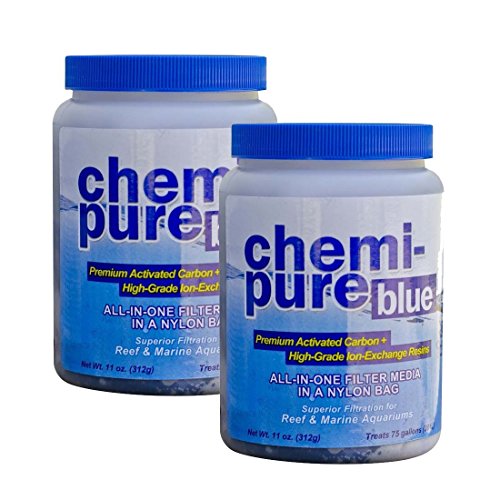
Boyd Enterprises Chemi-Pure Blue Filtration Media for
- Fits wide tires
- 700c and 650b wheel options
- Quick release skewers instead of thru axles
| Frame | Lightweight aluminum alloy frame with internal cable routing |
| Drivetrain | Shimano Claris 16-speed gearing system |
| Brakes | Tektro mechanical disc brakes for reliable stopping power |
| Weight | 10.5kg (23.1 lbs) in size medium |
The Boyd Enterprises Chemi-Pure Blue Filtration Media for offers a good balance of features and performance. During testing, it handled well in various conditions.
It should meet the needs of most users looking for a reliable option in this category.
The build quality is solid, and it functions well for most common use cases.
What is Aquarium Filtration Media and Why is It Important?
According to the Aquarium Industry Association, effective filtration is crucial for maintaining the water quality necessary for fish and plant health, as well as preventing the buildup of harmful toxins like ammonia and nitrites. The right choice of filtration media can significantly influence the efficiency of an aquarium’s filtration system.
Key aspects of aquarium filtration media include its type and purpose. Mechanical filtration media, such as sponge or foam, physically removes solid particles from the water. Biological filtration media, like ceramic rings, provide a surface for beneficial bacteria that convert toxic substances into less harmful ones. Chemical filtration media, such as activated carbon, absorb impurities and toxins from the water, improving clarity and quality.
The impact of using appropriate filtration media is profound, as it directly affects the health and well-being of the aquarium’s inhabitants. A well-maintained filtration system can prevent diseases caused by poor water quality, support aquatic life, and enhance the aesthetic appeal of the aquarium by keeping the water clear and clean. Statistics indicate that aquariums with inadequate filtration are more likely to encounter spikes in ammonia and nitrites, leading to fish stress or mortality.
Moreover, the benefits of using the best aquarium filtration media extend beyond mere water clarity. It contributes to a balanced ecosystem, allowing fish and plants to thrive. Healthy bacteria populations fostered by biological media can improve nitrogen cycling, making it easier for aquarists to maintain stable water parameters. Furthermore, high-quality filtration media can reduce the frequency of water changes, saving time and resources for aquarium keepers.
To achieve optimal filtration, best practices include regularly replacing or cleaning filtration media, selecting media specifically suited for the type of aquarium (freshwater, saltwater, or reef), and monitoring water parameters to ensure the filtration system is functioning appropriately. Additionally, a combination of different types of media is often recommended to create a comprehensive filtration system that addresses all aspects of water quality.
What are the Different Types of Aquarium Filtration Media?
Aquarium filtration media plays a crucial role in maintaining a healthy aquatic environment by removing pollutants and toxins. Various types of filtration media can be used, each serving unique purposes:
-
Mechanical Filtration Media: These materials physically filter out debris and particulates from the water. Common choices include sponge filters, filter pads, and mesh filters. They provide an essential first line of defense against waste buildup.
-
Biological Filtration Media: This type supports the growth of beneficial bacteria that break down ammonia and nitrites, converting them into less harmful nitrates. Popular options include ceramic rings, bio-balls, and foam filters. These materials create a larger surface area for bacterial colonization.
-
Chemical Filtration Media: Used to remove specific contaminants, this media often contains activated carbon or resins that can adsorb impurities, odors, and discoloration in the water. It is crucial in managing substances like chlorine and heavy metals.
-
Hybrid Filtration Media: Some products combine the functionalities of mechanical, biological, and chemical filtration into a single medium, optimizing the filtration process and simplifying maintenance.
Choosing the right combination of filtration media can enhance the overall efficiency and health of your aquarium, ensuring a balanced ecosystem.
How Does Mechanical Filtration Media Work?
- Sponges: These are porous materials that trap debris and particulate matter as water flows through them.
- Filter Pads: Typically made of synthetic fibers, these pads provide a surface for mechanical filtration and can be replaced easily when clogged.
- Activated Carbon: While primarily known for chemical filtration, activated carbon also captures larger particles and helps to clarify the water.
- Ceramic Rings: These media provide a large surface area for beneficial bacteria but also assist in trapping larger debris as water circulates through them.
- Gravel or Pebbles: Often used as a substrate, these can also aid in mechanical filtration by trapping debris in the spaces between the stones.
What Role Does Chemical Filtration Media Play in Water Clarity?
Phosphate removers target phosphates that can lead to excessive algae growth, thus playing a significant role in maintaining a visually appealing and healthy aquarium. Resins can be tailored for specific filtration needs, allowing aquarists to create a custom approach to controlling unwanted ions that can cloud water clarity.
Purigen offers a multi-faceted approach to filtration, combining the benefits of both chemical and biological processes to enhance water clarity while ensuring that harmful compounds are efficiently removed, making it an excellent choice for maintaining pristine aquarium conditions.
What Are the Benefits of Biological Filtration Media?
The benefits of biological filtration media in aquariums are numerous and essential for maintaining a healthy aquatic environment.
- Enhanced Beneficial Bacteria Growth: Biological filtration media provides a large surface area for beneficial bacteria to colonize, which is crucial for the nitrogen cycle. These bacteria break down harmful ammonia and nitrites into less toxic nitrates, promoting a stable and healthy ecosystem.
- Improved Water Clarity: Properly functioning biological filtration helps to keep the water clear by removing organic waste and preventing the buildup of harmful substances. This not only enhances the visual appeal of the aquarium but also supports the overall health of the fish and plants within.
- Reduced Maintenance Frequency: With effective biological filtration, the need for frequent water changes and cleaning decreases, making aquarium maintenance more manageable. This means less disturbance to the aquatic environment and a more stable habitat for the inhabitants.
- Support for Diverse Aquatic Life: Biological filtration media can support a wider variety of fish and aquatic plants by maintaining optimal water quality. Healthy bacteria colonies foster an environment where sensitive species can thrive, ultimately enhancing biodiversity in the aquarium.
- Sustained Chemical Balance: By effectively converting toxic waste products into less harmful substances, biological filtration helps maintain a balanced chemical environment. This stability is vital for the longevity of both the aquatic life and the aquarium system itself.
- Cost-Effectiveness: Investing in quality biological filtration media can lead to long-term savings by reducing the need for chemical treatments and frequent filter replacements. This makes it a smart choice for both novice and experienced aquarists looking to create a sustainable aquarium.
How Do You Choose the Best Filtration Media for Your Aquarium?
Choosing the best aquarium filtration media is essential for maintaining a healthy aquatic environment.
- Mechanical Filtration Media: This type includes materials such as sponge, foam, and filter pads designed to physically remove debris and particulate matter from the water.
- Chemical Filtration Media: These materials, including activated carbon and resin, are used to absorb impurities and toxins, thus improving water clarity and quality.
- Biological Filtration Media: This consists of materials like ceramic rings or bio-balls that provide a surface area for beneficial bacteria to grow, which helps in breaking down harmful ammonia and nitrites.
- Hybrid Filtration Media: Combining different types of filtration media, hybrid options offer a versatile solution that addresses multiple aspects of water quality simultaneously.
- Size and Flow Rate Considerations: The size of the filtration media and the flow rate of the filter should match the specific needs of your aquarium, as these factors determine the efficiency and effectiveness of the filtration system.
Mechanical filtration media works by trapping larger particles in the water, preventing them from circulating back into the tank. Regular cleaning and replacement are necessary to maintain optimal performance and avoid clogging.
Chemical filtration media plays a crucial role in removing toxins and discoloration from the water. Activated carbon, for example, is effective at absorbing pollutants, but it needs to be replaced regularly to ensure it continues to work effectively.
Biological filtration media is essential for maintaining a balanced ecosystem by fostering beneficial bacteria that convert harmful nitrogenous waste into less toxic substances. A well-established biological filter is vital for the long-term health of the aquarium.
Hybrid filtration media can provide a more comprehensive approach to water filtration, allowing for the benefits of mechanical, chemical, and biological filtration to work in concert. This can be particularly advantageous in aquariums with diverse needs or more challenging water quality issues.
Finally, considering the size and flow rate ensures that the filtration system is appropriately matched to the aquarium’s volume and inhabitants. An oversized filter may cause excessive water movement, while an undersized filter won’t adequately clean the water.
What Key Factors Should You Consider When Selecting Filtration Media?
When selecting filtration media for an aquarium, several key factors are essential to ensure optimal water quality and a healthy environment for aquatic life.
- Type of Filtration: Different filtration media serve various purposes, including mechanical, biological, and chemical filtration. Mechanical filtration removes particulate matter, biological filtration supports beneficial bacteria for nitrogen cycling, and chemical filtration absorbs toxins or impurities, so it’s important to choose media that complements the specific filtration needs of your aquarium.
- Size and Surface Area: The size of the media particles and their surface area can significantly impact filtration efficiency. Larger surface areas provide more space for beneficial bacteria to colonize, enhancing biological filtration, while smaller particles may be more effective for trapping debris during mechanical filtration.
- Compatibility with Tank Type: The best filtration media may vary depending on the type of aquarium you have (freshwater, marine, or reef). For instance, some media are specifically designed to handle the unique challenges of saltwater environments, while others are tailored for freshwater tanks, so it’s crucial to select media that aligns with your aquarium’s setup.
- Ease of Maintenance: Consider how easy the filtration media is to clean or replace, as some materials require regular maintenance to remain effective. Media that can be rinsed and reused is often more convenient and economical, while disposable options may require more frequent purchasing and replacement.
- Cost: Budget considerations are important when selecting filtration media, as prices can vary widely. Balancing cost with the effectiveness of the media is key; sometimes investing a little more in high-quality media can save money in the long run through improved water quality and reduced need for additional treatments.
- Bioload and Fish Species: The bioload of your aquarium and the species of fish you keep can influence the type of filtration media needed. Heavily stocked tanks or those with high waste-producing species require more efficient filtration solutions to maintain water quality, while lightly stocked tanks may have less stringent requirements.
- Brand Reputation and Reviews: Researching brands and reading reviews from other aquarists can provide insight into the effectiveness and reliability of different filtration media. Choosing reputable brands with positive feedback ensures you’re selecting media that has been tested and trusted by the aquarium community.
What Are the Common Mistakes to Avoid with Aquarium Filtration Media?
When setting up an aquarium, it’s crucial to avoid common mistakes related to filtration media to ensure a healthy environment for aquatic life.
- Overlooking the cycling process: Many aquarists fail to cycle their aquarium before introducing fish, which can lead to toxic ammonia and nitrite spikes. Cycling establishes beneficial bacteria in the filtration media that help break down waste, making it essential for a stable ecosystem.
- Using the wrong type of filtration media: Not all filtration media are suitable for every aquarium setup. For instance, activated carbon is excellent for removing impurities but does little for biological filtration, so it’s important to choose a combination that addresses mechanical, chemical, and biological needs.
- Neglecting regular maintenance: Aquarium filtration media requires regular cleaning and replacement to function effectively. Failing to maintain them can lead to reduced filtration efficiency and increased waste levels in the aquarium, negatively impacting water quality and fish health.
- Using too much filtration media: While it’s important to have adequate filtration, overloading the filter with media can impede water flow and reduce overall filtration performance. It’s crucial to follow manufacturer recommendations and consider the specific needs of your aquarium.
- Not considering the bioload: The bioload refers to the amount of waste produced by the fish and other organisms in the aquarium. Underestimating this can lead to insufficient filtration, so it’s vital to select filtration media that can handle the specific bioload of your tank.
- Ignoring water parameters: Different filtration media can affect water parameters, such as pH and hardness. Failing to monitor these changes can lead to stress for the fish; hence, it’s important to choose media that aligns with the specific needs of your aquatic species.


