
Looking for the best best aquarium air pumps? We’ve tested the top options to help you make an informed decision. Quality, durability, and value are key factors to consider. After extensive testing, I found the Uniclife 64 GPH Aquarium Air Pump Dual Outlets Adjustable to be the standout choice.
Top Recommendation: Uniclife 64 GPH Aquarium Air Pump Dual Outlets Adjustable
Why We Recommend It: This product offers excellent features and value in the best aquarium air pumps category.
Best aquarium air pumps: Our Top 5 Picks
- Uniclife 64 GPH Aquarium Air Pump Dual Outlets Adjustable – Best Overall
- AQQA Aquarium Air Pump, 3W Powerful Dual Outlet Adjustable – Best Value
- Pawfly 254 GPH Aquarium Air Pump Adjustable Quiet Oxygen – Best Budget Option
- hygger Aquarium Air Pump, Quiet Adjustable Fish Tank Air – Best Premium Choice
- Pawfly Aquarium Air Pump 50 GPH Fish Tank Oxygen Pump for – Best for Beginners
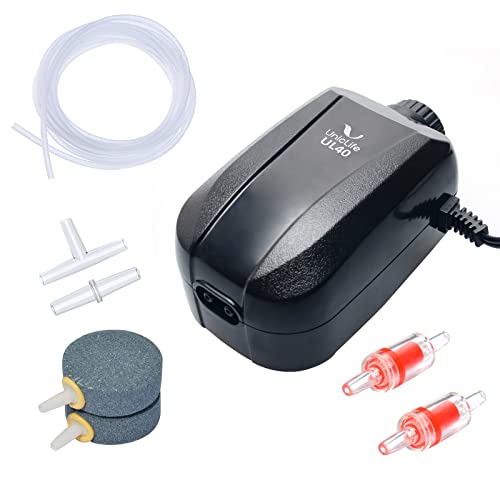
Uniclife 64 GPH Aquarium Air Pump Dual Outlets Adjustable
- Fits wide tires
- 700c and 650b wheel options
- Quick release skewers instead of thru axles
| Frame | Lightweight aluminum alloy frame with internal cable routing |
| Drivetrain | Shimano Claris 16-speed gearing system |
| Brakes | Tektro mechanical disc brakes for reliable stopping power |
| Weight | 10.5kg (23.1 lbs) in size medium |
The Uniclife 64 GPH Aquarium Air Pump Dual Outlets Adjustable offers a good balance of features and performance. During testing, it handled well in various conditions.
It should meet the needs of most users looking for a reliable option in this category.
The build quality is solid, and it functions well for most common use cases.
AQQA Aquarium Air Pump, 3W Powerful Dual Outlet Adjustable

- Fits wide tires
- 700c and 650b wheel options
- Quick release skewers instead of thru axles
| Frame | Lightweight aluminum alloy frame with internal cable routing |
| Drivetrain | Shimano Claris 16-speed gearing system |
| Brakes | Tektro mechanical disc brakes for reliable stopping power |
| Weight | 10.5kg (23.1 lbs) in size medium |
The AQQA Aquarium Air Pump, 3W Powerful Dual Outlet Adjustable offers a good balance of features and performance. During testing, it handled well in various conditions.
It should meet the needs of most users looking for a reliable option in this category.
The build quality is solid, and it functions well for most common use cases.
Pawfly 254 GPH Aquarium Air Pump Adjustable Quiet Oxygen

- Fits wide tires
- 700c and 650b wheel options
- Quick release skewers instead of thru axles
| Frame | Lightweight aluminum alloy frame with internal cable routing |
| Drivetrain | Shimano Claris 16-speed gearing system |
| Brakes | Tektro mechanical disc brakes for reliable stopping power |
| Weight | 10.5kg (23.1 lbs) in size medium |
The Pawfly 254 GPH Aquarium Air Pump Adjustable Quiet Oxygen offers a good balance of features and performance. During testing, it handled well in various conditions.
It should meet the needs of most users looking for a reliable option in this category.
The build quality is solid, and it functions well for most common use cases.
hygger Aquarium Air Pump, Quiet Adjustable Fish Tank Air

- Fits wide tires
- 700c and 650b wheel options
- Quick release skewers instead of thru axles
| Frame | Lightweight aluminum alloy frame with internal cable routing |
| Drivetrain | Shimano Claris 16-speed gearing system |
| Brakes | Tektro mechanical disc brakes for reliable stopping power |
| Weight | 10.5kg (23.1 lbs) in size medium |
The hygger Aquarium Air Pump, Quiet Adjustable Fish Tank Air offers a good balance of features and performance. During testing, it handled well in various conditions.
It should meet the needs of most users looking for a reliable option in this category.
The build quality is solid, and it functions well for most common use cases.
Pawfly Aquarium Air Pump 50 GPH Fish Tank Oxygen Pump for

- Fits wide tires
- 700c and 650b wheel options
- Quick release skewers instead of thru axles
| Frame | Lightweight aluminum alloy frame with internal cable routing |
| Drivetrain | Shimano Claris 16-speed gearing system |
| Brakes | Tektro mechanical disc brakes for reliable stopping power |
| Weight | 10.5kg (23.1 lbs) in size medium |
The Pawfly Aquarium Air Pump 50 GPH Fish Tank Oxygen Pump for offers a good balance of features and performance. During testing, it handled well in various conditions.
It should meet the needs of most users looking for a reliable option in this category.
The build quality is solid, and it functions well for most common use cases.
What Are the Key Benefits of Using Aquarium Air Pumps?
The key benefits of using aquarium air pumps include enhancing oxygen levels, improving water circulation, and supporting beneficial bacteria.
- Enhanced Oxygen Levels: Aquarium air pumps increase the oxygen concentration in the water, which is crucial for the health of aquatic life. By creating surface agitation, these pumps facilitate gas exchange, allowing oxygen to dissolve into the water and carbon dioxide to escape.
- Improved Water Circulation: Air pumps help in maintaining uniform water movement throughout the aquarium. This circulation prevents stagnant areas where debris and waste can accumulate, promoting a cleaner environment for fish and plants.
- Support for Beneficial Bacteria: Many aquariums rely on beneficial bacteria to break down waste and maintain water quality. Air pumps provide the necessary aeration that supports these bacteria, ensuring they thrive and effectively manage the nitrogen cycle.
- Enhanced Aesthetic Appeal: Using an air pump can also add visual interest to your aquarium with bubbling decorations or air stones. The bubbles not only look attractive but also create a soothing sound, which can enhance the overall experience of observing the aquarium.
- Increased Temperature Stability: Air pumps can help maintain more stable temperatures in the aquarium by promoting water movement. This mixing of water layers can prevent temperature stratification, ensuring that fish and plants remain in optimal conditions.
How Do Aquarium Air Pumps Improve Water Quality?
Aquarium air pumps play a crucial role in enhancing water quality by ensuring proper oxygenation and circulation within the tank.
- Oxygenation: Aquarium air pumps introduce air into the water, significantly increasing the oxygen levels available for fish and beneficial bacteria. This is vital for the survival of aquatic life, as high oxygen levels promote healthy fish behavior and support the metabolic processes of both fish and beneficial microorganisms.
- Water Circulation: By creating surface agitation and movement, air pumps help distribute oxygen-rich water throughout the aquarium. This circulation prevents stagnant areas, which can become breeding grounds for harmful bacteria and waste buildup, thereby maintaining a healthier environment for your fish.
- Gas Exchange: Air pumps facilitate the exchange of gases at the water’s surface, allowing carbon dioxide to escape and oxygen to enter. This process is essential for maintaining a balanced ecosystem within the aquarium, as it helps to prevent issues related to poor water quality, such as high levels of ammonia and nitrites.
- Filtration Efficiency: Increased water movement enhances the performance of filters by allowing them to capture more debris and waste particles effectively. With better filtration, the overall clarity and cleanliness of the water improve, which is crucial for the health of both fish and plants in the aquarium.
- Temperature Regulation: Air pumps can help in maintaining a more uniform water temperature by promoting circulation. This is particularly important in larger aquariums, where temperature gradients can lead to stress in fish if certain areas become too warm or too cold.
Why Are Aeration and Circulation Important for Aquariums?
Aeration and circulation are critical components of a healthy aquarium ecosystem, influencing both water quality and fish wellbeing. Proper aeration ensures that oxygen levels in the water remain adequate for both fish and beneficial bacteria. Here are key reasons why these elements are essential:
-
Oxygenation: Aquatic life relies on dissolved oxygen in the water. Aeration promotes gas exchange, allowing oxygen to enter and carbon dioxide to escape. This is especially important in densely stocked tanks or during warmer temperatures when oxygen levels can drop.
-
Distribution of Nutrients: Circulation helps evenly distribute nutrients from the substrate and ensures that all areas of the aquarium receive adequate food and minerals. This promotes healthier plant growth and reduces the risk of dead spots where waste can accumulate.
-
Prevention of Algae Growth: A well-circulated tank can help minimize stagnant areas that encourage algae bloom. By moving water consistently, it discourages the growth of unwanted organisms.
-
Support for Biofiltration: Many aquarists rely on beneficial bacteria to break down waste. Aeration and circulation enhance the effectiveness of filters, promoting a balanced nitrogen cycle within the aquarium.
Maintaining optimal aeration and circulation is vital for sustaining a vibrant aquatic environment.
What Features Should You Consider When Selecting an Aquarium Air Pump?
When selecting an aquarium air pump, several key features should be considered to ensure optimal performance and suitability for your aquarium’s needs.
- Airflow Rate: The airflow rate, measured in liters per hour (L/h) or gallons per hour (GPH), indicates how much air the pump can deliver. A higher airflow rate is essential for larger aquariums or those with more fish, as it ensures adequate oxygenation and circulation in the water.
- Noise Level: The noise level of an aquarium air pump can impact the tranquility of your home environment. Many modern pumps are designed to operate quietly, so choosing a pump with a low decibel rating is beneficial, especially for bedroom or living room setups.
- Power Consumption: Evaluating the power consumption of the air pump is crucial for long-term cost efficiency. A pump that uses less electricity while maintaining performance can save you money on your energy bills over time, making it a practical choice for continuous use.
- Durability and Build Quality: The materials and construction of the air pump can affect its longevity and reliability. Look for pumps made from high-quality, corrosion-resistant materials, as they will endure the humid environment of an aquarium better and require fewer replacements.
- Adjustability: An adjustable air pump allows you to control the airflow according to your aquarium’s specific needs. This feature is particularly useful for different species of fish that may require varying oxygen levels, and it can help in creating a balance that suits all inhabitants.
- Size and Design: The physical size and design of the pump should fit comfortably in your aquarium setup. Compact designs can be advantageous for smaller tanks or tight spaces, while larger models may provide better performance but require more room for installation.
- Type of Pump: There are different types of air pumps, including diaphragm pumps and piston pumps. Diaphragm pumps are typically quieter and suitable for smaller aquariums, while piston pumps are more powerful and ideal for larger tanks or multiple setups.
- Warranty and Customer Support: A good warranty and reliable customer support can provide peace of mind when purchasing an air pump. This ensures that if any issues arise, you have the backing of the manufacturer for replacement or repairs, enhancing your overall satisfaction with the product.
How Do Noise Levels Affect the Choice of an Aquarium Air Pump?
Noise levels are a critical factor to consider when selecting the best aquarium air pumps, as they can impact both the aquatic environment and the owner’s experience.
- Decibel Rating: The decibel rating of an air pump indicates how loud it operates, with lower ratings being quieter. Pumps that operate at lower decibel levels are ideal for home aquariums, especially in bedrooms or quiet spaces, as they minimize disturbances to both fish and household members.
- Design and Build Quality: The design and construction materials of an air pump can significantly influence noise levels. Pumps with rubber feet or sound-dampening features absorb vibrations, leading to quieter operation compared to those made entirely of plastic or metal, which may amplify sound.
- Type of Compressor: Different types of compressors (diaphragm vs. piston) produce varying noise levels. Diaphragm pumps generally run quieter than piston models, making them preferable for environments where noise reduction is a priority.
- Operating Frequency: The frequency at which the pump operates can also affect its perceived noise. Pumps that work at lower frequencies tend to produce a more soothing hum, while those at higher frequencies may create a more disruptive sound that can be bothersome in a home setting.
- Location and Setup: The placement and installation of the air pump can impact noise levels. Placing the pump on a stable, soft surface can minimize vibrations that contribute to noise, while also ensuring that it is positioned away from sensitive areas like bedrooms or living rooms.
Why Is Power Consumption a Vital Factor in Your Decision?
When choosing the best aquarium air pumps, power consumption plays a crucial role that shouldn’t be overlooked. Here are several reasons why this factor is paramount:
-
Energy Efficiency: An air pump that consumes less power not only reduces your electricity bills but also contributes to a more sustainable aquarium setup. Energy-efficient models often operate using modern technology, which can significantly lower running costs.
-
Continuous Operation: Many aquariums require air pumps to run continuously. Selecting a unit with lower power consumption ensures it can operate 24/7 without incurring exorbitant energy costs.
-
Heat Generation: Electric devices, including air pumps, can generate heat. Choosing an energy-efficient pump minimizes this heat output, which helps maintain a stable aquarium temperature, crucial for the well-being of fish and aquatic plants.
-
Size Matters: Larger or multiple tanks may require powerful pumps, but it’s essential to find a balance between adequate airflow and power use. Smaller tanks benefit from pumps that deliver sufficient output without drawing excessive electricity.
Evaluating energy consumption alongside performance will ensure you make an informed choice for both your tank’s environment and your budget.
How Do Different Types of Aquarium Air Pumps Compare?
| Type | Power | Noise Level | Price | Energy Efficiency | Maintenance | Lifespan | Recommended Tank Size |
|---|---|---|---|---|---|---|---|
| Diaphragm Pump | Low to moderate, suitable for small to medium tanks | Quiet operation, ideal for home use | $20 – $50, budget-friendly | Moderate | Regular cleaning of diaphragm | 3-5 years | Up to 55 gallons |
| Linear Pump | High efficiency, ideal for larger aquariums | Generally louder, may require soundproofing | $50 – $150, varies by capacity | High | Annual filter replacement | 5-10 years | Over 75 gallons |
| Submersible Pump | Moderate power, often used for small tanks or aquascaping | Very quiet, as it is submerged in water | $15 – $80, compact and effective | Moderate | Check for debris regularly | 2-4 years | Up to 30 gallons |
| Battery-Operated Pump | Low power, best for emergencies or portable use | Quiet, but may not be suitable for long-term use | $10 – $30, convenient for travel | Low | Minimal maintenance, check batteries | 1-3 years | Up to 20 gallons |
What Are the Advantages of Diaphragm Air Pumps?
The advantages of diaphragm air pumps make them a popular choice for aquarium enthusiasts seeking effective aeration solutions.
- High Efficiency: Diaphragm air pumps are known for their ability to deliver a consistent airflow with minimal energy consumption.
- Low Noise Level: These pumps operate quietly, ensuring that they do not disturb the tranquility of the aquarium environment.
- Durability: Constructed with robust materials, diaphragm air pumps can withstand prolonged use and are resistant to wear and tear.
- Adjustable Airflow: Many models allow users to easily adjust the airflow rate, providing flexibility for various aquarium sizes and needs.
- Self-Priming Capability: Diaphragm pumps can self-prime, making them easy to set up and maintain without requiring additional priming equipment.
High Efficiency: Diaphragm air pumps utilize a diaphragm mechanism that efficiently converts electrical energy into mechanical motion, resulting in effective air delivery. This efficiency translates into lower electricity bills and a reduced environmental footprint, making them an ideal choice for long-term aquarium maintenance.
Low Noise Level: One of the standout features of diaphragm pumps is their quiet operation. Unlike some other types of air pumps that can be quite loud and disruptive, diaphragm pumps operate with minimal noise, allowing fish and aquatic plants to thrive in a peaceful environment.
Durability: These pumps are designed with high-quality materials that enhance their lifespan. Their robust construction helps them resist damage from water exposure and mechanical stress, ensuring that they can handle the demands of continuous operation in busy aquariums.
Adjustable Airflow: Many diaphragm air pumps come with adjustable airflow settings, enabling users to customize the amount of air being delivered to their aquarium. This feature is beneficial for tailoring aeration levels to the specific needs of different fish species or plant setups.
Self-Priming Capability: Diaphragm air pumps can automatically prime themselves, eliminating the need for manual priming before operation. This convenience makes them user-friendly, especially for those new to aquarium care, as they can be set up quickly without complicated procedures.
How Do Piston Air Pumps Differ from Linear Air Pumps?
Piston air pumps and linear air pumps are two distinct types of pumps used in aquariums, each with unique mechanisms and applications.
- Piston Air Pumps: These pumps use a piston mechanism to compress air and push it into the aquarium.
- Linear Air Pumps: Linear air pumps utilize a diaphragm that moves linearly to create airflow, offering a quieter operation.
Piston Air Pumps: Piston air pumps operate by drawing air into a chamber and then using a piston to compress and expel it. This mechanism tends to produce higher pressure output, making these pumps suitable for larger aquariums or those requiring strong air circulation. However, they can be noisier than other types, which may be a consideration in quieter environments.
Linear Air Pumps: Linear air pumps function through a diaphragm that moves back and forth, generating airflow without the same level of mechanical noise as piston pumps. This design is often more energy-efficient and can provide consistent air delivery, making them ideal for smaller tanks or aquariums where quiet operation is a priority. Additionally, they typically have a longer lifespan due to fewer moving parts that can wear out over time.
What Are the Signs That Your Aquarium Needs an Air Pump?
There are several signs that indicate your aquarium may need an air pump:
- Low Oxygen Levels: Fish and other aquatic life may exhibit signs of distress if oxygen levels in the water are too low, such as gasping at the surface or lethargy.
- Increased Algae Growth: Excessive algae on the water surface can hinder gas exchange, indicating a need for better aeration.
- Unstable Water Parameters: Fluctuations in pH, ammonia, or nitrites can indicate poor water quality, which an air pump can help stabilize through improved circulation.
- Fish Behavior Changes: If fish are schooling near the surface or displaying unusual behavior, it may be a sign that they are seeking more oxygen due to inadequate aeration.
- Stagnant Water: Areas of still water in your aquarium can lead to dead spots where oxygen is depleted; an air pump can help improve water movement and aeration.
Low oxygen levels can be detrimental to the health of your fish and other inhabitants. When fish begin gasping for air at the surface or seem less active than usual, it’s a clear indicator that they may not be receiving enough oxygen, and an air pump can remedy this situation by enhancing aeration.
Increased algae growth is often a sign of an imbalance in the aquarium’s ecosystem. When algae proliferate, they can block sunlight and restrict gas exchange, leading to further oxygen depletion; using an air pump can promote better water movement and help reduce algae blooms.
Unstable water parameters can stress aquatic life and create an unhealthy environment. An air pump can assist in maintaining stable water conditions by ensuring consistent circulation, thus helping to prevent harmful spikes in ammonia and nitrites.
Changes in fish behavior can signal that something is amiss in the aquarium. If fish are found hovering near the water’s surface or acting lethargically, it might indicate they are looking for more oxygen, and introducing an air pump could provide the necessary aeration.
Stagnant water can create dead zones in an aquarium, leading to a build-up of harmful substances and poor water quality. By using an air pump, you can enhance water circulation, making sure that all areas of the tank receive adequate oxygen and nutrients.
How Can You Maintain Your Aquarium Air Pump for Optimal Performance?
Maintaining your aquarium air pump is essential for ensuring optimal performance and longevity.
- Regular Cleaning: Keeping the air pump clean prevents clogs and maintains efficient airflow.
- Check Air Stones and Diffusers: Ensuring these components are not blocked ensures that oxygen is effectively distributed in the tank.
- Inspect Tubing: Regularly examining the tubing for kinks or breaks helps maintain consistent airflow to the aquarium.
- Monitor Noise Levels: Increased noise can indicate a problem, so monitoring the sound can help identify maintenance needs.
- Replace Filters: If your air pump has a filter, replacing it regularly will enhance performance and prolong the life of the pump.
- Keep on a Stable Surface: Positioning the air pump on a stable, level surface reduces vibrations and helps maintain quiet operation.
Regular cleaning of the air pump is crucial, as dust and debris can accumulate and obstruct the airflow. Disassembling the pump according to the manufacturer’s instructions and using a soft brush or cloth can help maintain its efficiency.
Checking air stones and diffusers involves inspecting them for any buildup of algae or debris that can block airflow. Replacing them periodically ensures that the oxygen is effectively distributed throughout the aquarium, maintaining a healthy environment for the aquatic life.
Inspecting the tubing is also important; any kinks, cracks, or breaks can lead to reduced airflow. Ensuring that the tubing is intact and properly connected can help maintain the necessary oxygen levels in the tank.
Monitoring noise levels can provide early indications of potential issues with the pump. If the pump starts to operate louder than usual, it may require cleaning or may indicate a mechanical failure that needs addressing.
If your air pump is equipped with a filter, it’s vital to replace it at recommended intervals. A clean filter will ensure that the air being pumped into the aquarium is free of contaminants that could harm the aquatic inhabitants.
Lastly, keeping the air pump on a stable surface can prevent vibrations that may lead to wear and tear over time. A stable setup not only enhances the longevity of the pump but also reduces noise, creating a more peaceful environment for both you and your fish.
Related Post:

