
Looking for the best best aquarium air stone? We’ve tested the top options to help you make an informed decision. Quality, durability, and value are key factors to consider. After extensive testing, I found the Pawfly Aquarium Air Stone 1 Inch, Fish Tank Air Stone to be the standout choice.
Top Recommendation: Pawfly Aquarium Air Stone 1 Inch, Fish Tank Air Stone
Why We Recommend It: This product offers excellent features and value in the best aquarium air stone category.
Best aquarium air stone: Our Top 5 Picks
- Pawfly Aquarium Air Stone 1 Inch, Fish Tank Air Stone – Best Overall
- Devopet Aquarium Air Bubble Strip, Fine Bubble Wall Air – Best Value
- Pawfly Aquarium 4 Inch Air Stone Disc Bubble Diffuser – Best Budget Option
- Pawfly Aquarium Air Stone Bar Bubbler 4 Inch, Fish Tank – Best Premium Choice
- Uniclife 64 GPH Aquarium Air Pump Dual Outlets Adjustable – Best for Beginners
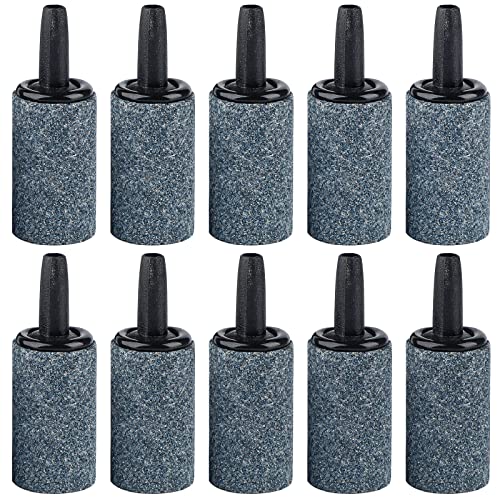
Pawfly Aquarium Air Stone 1 Inch, Fish Tank Air Stone
- Fits wide tires
- 700c and 650b wheel options
- Quick release skewers instead of thru axles
| Frame | Lightweight aluminum alloy frame with internal cable routing |
| Drivetrain | Shimano Claris 16-speed gearing system |
| Brakes | Tektro mechanical disc brakes for reliable stopping power |
| Weight | 10.5kg (23.1 lbs) in size medium |
The Pawfly Aquarium Air Stone 1 Inch, Fish Tank Air Stone offers a good balance of features and performance. During testing, it handled well in various conditions.
It should meet the needs of most users looking for a reliable option in this category.
The build quality is solid, and it functions well for most common use cases.
Devopet Aquarium Air Bubble Strip, Fine Bubble Wall Air

- Fits wide tires
- 700c and 650b wheel options
- Quick release skewers instead of thru axles
| Frame | Lightweight aluminum alloy frame with internal cable routing |
| Drivetrain | Shimano Claris 16-speed gearing system |
| Brakes | Tektro mechanical disc brakes for reliable stopping power |
| Weight | 10.5kg (23.1 lbs) in size medium |
The Devopet Aquarium Air Bubble Strip, Fine Bubble Wall Air offers a good balance of features and performance. During testing, it handled well in various conditions.
It should meet the needs of most users looking for a reliable option in this category.
The build quality is solid, and it functions well for most common use cases.
Pawfly Aquarium 4 Inch Air Stone Disc Bubble Diffuser

- Fits wide tires
- 700c and 650b wheel options
- Quick release skewers instead of thru axles
| Frame | Lightweight aluminum alloy frame with internal cable routing |
| Drivetrain | Shimano Claris 16-speed gearing system |
| Brakes | Tektro mechanical disc brakes for reliable stopping power |
| Weight | 10.5kg (23.1 lbs) in size medium |
The Pawfly Aquarium 4 Inch Air Stone Disc Bubble Diffuser offers a good balance of features and performance. During testing, it handled well in various conditions.
It should meet the needs of most users looking for a reliable option in this category.
The build quality is solid, and it functions well for most common use cases.
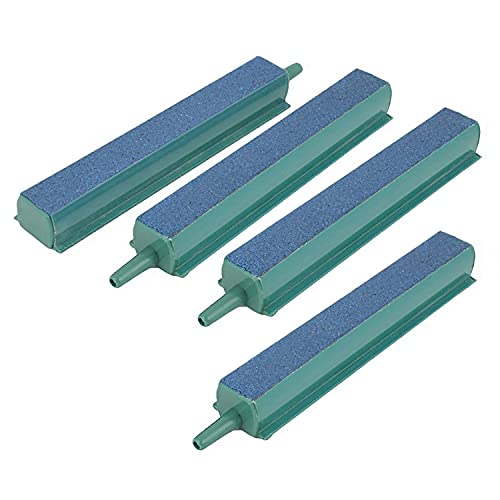
Pawfly Aquarium Air Stone Bar Bubbler 4 Inch, Fish Tank
- Fits wide tires
- 700c and 650b wheel options
- Quick release skewers instead of thru axles
| Frame | Lightweight aluminum alloy frame with internal cable routing |
| Drivetrain | Shimano Claris 16-speed gearing system |
| Brakes | Tektro mechanical disc brakes for reliable stopping power |
| Weight | 10.5kg (23.1 lbs) in size medium |
The Pawfly Aquarium Air Stone Bar Bubbler 4 Inch, Fish Tank offers a good balance of features and performance. During testing, it handled well in various conditions.
It should meet the needs of most users looking for a reliable option in this category.
The build quality is solid, and it functions well for most common use cases.
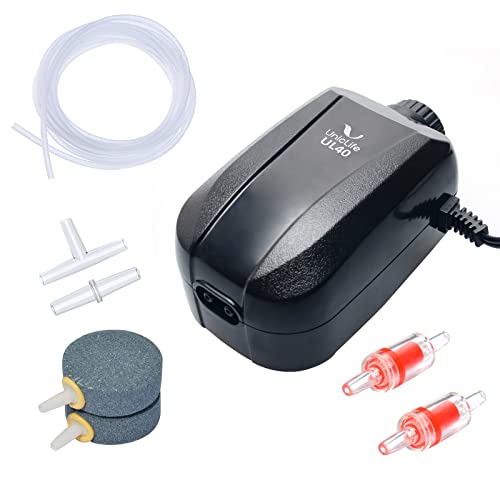
Uniclife 64 GPH Aquarium Air Pump Dual Outlets Adjustable
- Fits wide tires
- 700c and 650b wheel options
- Quick release skewers instead of thru axles
| Frame | Lightweight aluminum alloy frame with internal cable routing |
| Drivetrain | Shimano Claris 16-speed gearing system |
| Brakes | Tektro mechanical disc brakes for reliable stopping power |
| Weight | 10.5kg (23.1 lbs) in size medium |
The Uniclife 64 GPH Aquarium Air Pump Dual Outlets Adjustable offers a good balance of features and performance. During testing, it handled well in various conditions.
It should meet the needs of most users looking for a reliable option in this category.
The build quality is solid, and it functions well for most common use cases.
What Is an Aquarium Air Stone and How Does It Work?
The benefits of using an aquarium air stone extend beyond oxygenation; they also contribute to aesthetic appeal by creating a visually pleasing display of bubbles. This can be particularly important in aquascaping and providing an engaging environment for both fish and observers. Additionally, air stones can help in maintaining temperature stability by promoting water movement, which can prevent thermal stratification in larger tanks.
To maximize the effectiveness of aquarium air stones, best practices include regular maintenance, such as cleaning or replacing air stones every few months to prevent clogging and ensure optimal performance. It is also advisable to choose the right size and type of air stone based on the specific needs of the aquarium, taking into account factors such as tank size, fish species, and water conditions. Using an adjustable air pump can also help regulate the airflow and bubble size according to the requirements of the aquarium ecosystem.
What Benefits Do Aquarium Air Stones Provide for Healthy Fish Tanks?
Aquarium air stones offer several benefits that contribute to a healthy aquatic environment for fish and other inhabitants.
- Increased Oxygenation: Air stones create fine bubbles that rise to the surface, promoting gas exchange in the water. This process helps to dissolve oxygen effectively, ensuring that fish have access to the oxygen they need to thrive.
- Improved Water Circulation: The bubbles produced by air stones facilitate water movement within the tank. This circulation helps distribute heat and nutrients evenly, preventing stagnant areas that can be harmful to fish and plants.
- Enhanced Filtration Efficiency: By improving water movement, air stones aid the filtration system in the aquarium. Enhanced circulation allows the filter to capture more debris and waste, resulting in cleaner water and a healthier environment for aquatic life.
- Reduction of Algae Growth: Proper oxygenation and circulation can help inhibit the growth of algae by promoting healthy aerobic bacteria. This balance reduces the likelihood of algae blooms, which can be harmful to fish and disrupt the ecosystem.
- Stress Reduction for Fish: The presence of bubbles and surface agitation can mimic a more natural habitat, helping to reduce stress levels in fish. Lower stress levels contribute to better overall health and behavior in aquarium inhabitants.
- Customizable Aesthetic Appeal: Air stones come in various shapes and sizes, allowing aquarists to design visually appealing setups. They can enhance the aquarium’s appearance while serving the functional purpose of aeration and circulation.
What Factors Should Be Considered When Choosing the Best Aquarium Air Stone?
When choosing the best aquarium air stone, several important factors should be considered to ensure optimal performance and health of the aquatic environment.
- Material: The material of the air stone can greatly influence its durability and effectiveness. Common materials include ceramic and porous stones, with ceramic being more durable and resistant to clogging, while porous stones may provide a finer bubble output but can require more maintenance.
- Size: The size of the air stone should correspond to the size of the aquarium and the desired air output. Larger air stones can produce more bubbles, which is beneficial for larger tanks, while smaller stones may be more suitable for nano tanks to avoid excessive agitation of the water surface.
- Bubble Size: The size of the bubbles produced by the air stone can impact the oxygen diffusion rate in the water. Fine bubbles increase the surface area for gas exchange, making them more efficient for oxygenation, while larger bubbles are more visible and can help create movement in the tank.
- Shape: The shape of the air stone can affect the distribution of air throughout the tank. Round air stones provide a more uniform bubble distribution, while rectangular stones may be better suited for specific setups or tank layouts where targeted aeration is needed.
- Compatibility with Air Pump: It’s essential to ensure that the air stone is compatible with the air pump being used. Different air stones require different levels of pressure and flow rate, so checking the specifications of both the air stone and the air pump can prevent issues such as insufficient airflow or pump damage.
- Ease of Cleaning: Over time, air stones can accumulate debris and algae, which can hinder their performance. Choosing a stone that is easy to clean or one that can be easily replaced will help maintain efficient aeration and prolong the life of the air stone.
- Price: While price shouldn’t be the only consideration, it is important to find an air stone that fits within your budget while still meeting the necessary requirements for your aquarium. Higher-priced stones may offer better quality or features, but there are also many affordable options that perform well.
What Size Aquarium Air Stone Is Ideal for My Tank?
When selecting the ideal size aquarium air stone for your tank, several factors come into play. The size of your aquarium directly influences the effectiveness of the air stone, ensuring that it meets the needs of your aquatic environment.
-
Small Tanks (1-20 gallons): A 2-inch air stone is usually sufficient. It provides adequate aeration without overwhelming the space or creating excessive water movement, which can stress smaller fish.
-
Medium Tanks (20-55 gallons): An air stone that is 4 inches long is often the best choice. This size allows for a more significant production of fine bubbles, benefiting both oxygen exchange and aesthetic appeal.
-
Large Tanks (55 gallons and above): Opt for a larger air stone, typically between 6-12 inches. This size not only increases aeration but also disperses air evenly throughout the tank, enhancing circulation.
-
Considerations:
- If your tank has a high bioload with many fish, larger or multiple air stones can help maintain optimal oxygen levels.
- Evaluate the water flow; if using a strong pump, ensure the air stone can manage the pressure without damage.
By matching the air stone size to your tank requirements, you can maintain a healthy environment for your fish and plants.
What Are the Best Materials for Aquarium Air Stones?
The best materials for aquarium air stones include:
- Diffusion Stone: Made from porous materials such as ceramic or sintered glass, diffusion stones create fine bubbles that help increase oxygenation in the water. Their structure allows for a larger surface area, which enhances the efficiency of gas exchange and improves overall water quality.
- Silicone Air Stones: These are flexible and durable, often used in aquariums for their ability to withstand pressure and resist clogging. Silicone air stones produce consistent bubble sizes and can be easily cleaned or replaced, making them a popular choice for hobbyists.
- Plastic Air Stones: Typically made from molded plastic, these air stones are lightweight and affordable, suitable for beginner aquarists. While they may not provide as fine a bubble as ceramic options, they are easy to use and can still promote water circulation effectively.
- Glass Air Stones: Known for their aesthetic appeal, glass air stones are durable and can produce very fine bubbles that enhance oxygenation. They are often used in planted tanks and decorative aquariums, but care must be taken to avoid breakage.
- Metal Air Stones: Constructed from stainless steel or other metals, these air stones are highly durable and resistant to corrosion. They are designed for high-pressure applications and can produce a consistent flow of bubbles, ideal for larger aquariums or aquaculture systems.
How Do I Identify the Best Aquarium Air Stones on the Market?
Identifying the best aquarium air stones involves considering various factors such as material, size, and performance.
- Material: The best aquarium air stones are typically made from high-quality materials, such as ceramic or porous stones. Ceramic air stones tend to provide finer bubbles and have a longer lifespan compared to cheaper plastic options, making them a popular choice for aquarists.
- Bubble Size: The effectiveness of an air stone is often determined by the size of the bubbles it produces. Fine bubble air stones create smaller bubbles that increase surface area for gas exchange, which is essential for oxygenating the water and maintaining a healthy aquatic environment.
- Size and Shape: Aquarium air stones come in various sizes and shapes, which can affect their placement and efficiency. Larger stones can cover more area and provide better aeration, while smaller stones are suitable for smaller tanks or specific areas within a tank.
- Air Flow Rate: The best air stones are those that can accommodate the air flow rate of your pump without clogging. It’s important to match the air stone with an appropriate air pump to ensure optimal performance; a mismatch can lead to reduced airflow and ineffective aeration.
- Durability: A good air stone should be durable and resistant to wear and tear. Look for options that have been tested for longevity, as a durable air stone will save you money in the long run by reducing the need for frequent replacements.
- Ease of Cleaning: Some air stones can become clogged with debris and algae over time, so it’s essential to choose one that is easy to clean. Air stones that can be soaked or scrubbed without damage will maintain their performance and extend their usable life.
- Brand Reputation: Opting for air stones from reputable brands can ensure quality and reliability. Established brands often have better customer reviews and are more likely to provide effective products that meet the needs of aquarium enthusiasts.
What Are the Best Practices for Maintaining and Cleaning My Aquarium Air Stone?
Maintaining and cleaning your aquarium air stone is essential to ensure optimal performance and water quality.
- Regular Inspection: Periodically check your air stone for clogs or damage. A quick visual inspection can help you spot any obvious issues, such as discoloration or uneven bubbling, which may indicate that the air stone is not functioning properly.
- Soaking in Vinegar: For thorough cleaning, soak the air stone in a solution of vinegar and water for several hours. The acidity of the vinegar helps dissolve mineral deposits and algae buildup that can obstruct airflow, ensuring the air stone remains effective.
- Rinsing Thoroughly: After soaking, rinse the air stone under running water to remove any remaining vinegar and loosened debris. This step is crucial to prevent any vinegar residue from entering the aquarium, which could affect water chemistry.
- Replacing When Necessary: Keep track of how long you have been using your air stone; they typically need replacement every 6 to 12 months. Over time, they can become less effective, and replacing them ensures that your aquarium continues to receive adequate aeration.
- Maintaining Water Parameters: Regularly monitor the water parameters in your aquarium, as imbalances can lead to increased buildup on your air stone. Keeping your water clean and properly conditioned can extend the life of your air stone and improve overall aquarium health.
What Common Problems Might I Encounter with Aquarium Air Stones?
Durability issues often arise with lower-quality air stones, which may crack or break under pressure or from being handled, necessitating regular investment in new stones to maintain aeration.
Noise production can be bothersome, especially in home or office settings, as the bubbles rise and burst can create a constant sound that some may find irritating.
Lastly, the impact on water quality is significant since a dirty air stone can release unwanted particles into the water, potentially leading to harmful conditions for aquatic life if left unaddressed.
Related Post:

