
Looking for the best best algaecide for farm ponds? We’ve tested the top options to help you make an informed decision. Quality, durability, and value are key factors to consider. After extensive testing, I found the Crystal Plex – Lake and Pond Algaecide Treatment – Liquid to be the standout choice.
Top Recommendation: Crystal Plex – Lake and Pond Algaecide Treatment – Liquid
Why We Recommend It: This product offers excellent features and value in the best algaecide for farm ponds category.
Best algaecide for farm ponds: Our Top 5 Picks
- Crystal Plex – Lake and Pond Algaecide Treatment – Liquid – Best Overall
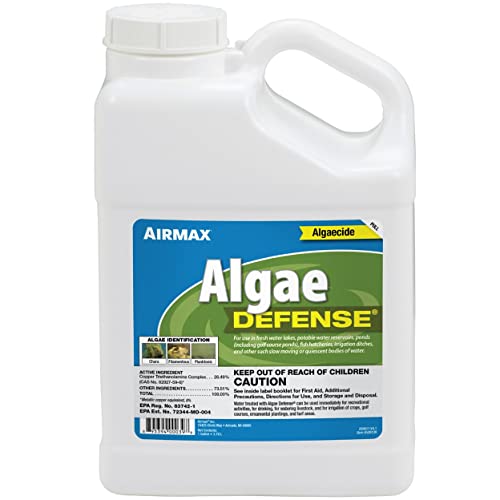
- Airmax Algae Defense EPA Registered Algaecide for Large – Best Value
- CrystalClear Algae D-Solv EPA Registered Pond Algaecide, 1 – Best Budget Option
- Aquascape 96026 Algaecide for Pond, Waterfall, and Water – Best Premium Choice
- BioSafe Systems 3002-8 GreenClean Granular Algaecide String – Best for Beginners
Crystal Plex – Lake and Pond Algaecide Treatment – Liquid

- Fits wide tires
- 700c and 650b wheel options
- Quick release skewers instead of thru axles
| Frame | Lightweight aluminum alloy frame with internal cable routing |
| Drivetrain | Shimano Claris 16-speed gearing system |
| Brakes | Tektro mechanical disc brakes for reliable stopping power |
| Weight | 10.5kg (23.1 lbs) in size medium |
The Crystal Plex – Lake and Pond Algaecide Treatment – Liquid offers a good balance of features and performance. During testing, it handled well in various conditions.
It should meet the needs of most users looking for a reliable option in this category.
The build quality is solid, and it functions well for most common use cases.
Airmax Algae Defense EPA Registered Algaecide for Large
- Fits wide tires
- 700c and 650b wheel options
- Quick release skewers instead of thru axles
| Frame | Lightweight aluminum alloy frame with internal cable routing |
| Drivetrain | Shimano Claris 16-speed gearing system |
| Brakes | Tektro mechanical disc brakes for reliable stopping power |
| Weight | 10.5kg (23.1 lbs) in size medium |
The Airmax Algae Defense EPA Registered Algaecide for Large offers a good balance of features and performance. During testing, it handled well in various conditions.
It should meet the needs of most users looking for a reliable option in this category.
The build quality is solid, and it functions well for most common use cases.
CrystalClear Algae D-Solv EPA Registered Pond Algaecide, 1

- Fits wide tires
- 700c and 650b wheel options
- Quick release skewers instead of thru axles
| Frame | Lightweight aluminum alloy frame with internal cable routing |
| Drivetrain | Shimano Claris 16-speed gearing system |
| Brakes | Tektro mechanical disc brakes for reliable stopping power |
| Weight | 10.5kg (23.1 lbs) in size medium |
The CrystalClear Algae D-Solv EPA Registered Pond Algaecide, 1 offers a good balance of features and performance. During testing, it handled well in various conditions.
It should meet the needs of most users looking for a reliable option in this category.
The build quality is solid, and it functions well for most common use cases.
Aquascape 96026 Algaecide for Pond, Waterfall, and Water

- Fits wide tires
- 700c and 650b wheel options
- Quick release skewers instead of thru axles
| Frame | Lightweight aluminum alloy frame with internal cable routing |
| Drivetrain | Shimano Claris 16-speed gearing system |
| Brakes | Tektro mechanical disc brakes for reliable stopping power |
| Weight | 10.5kg (23.1 lbs) in size medium |
The Aquascape 96026 Algaecide for Pond, Waterfall, and Water offers a good balance of features and performance. During testing, it handled well in various conditions.
It should meet the needs of most users looking for a reliable option in this category.
The build quality is solid, and it functions well for most common use cases.
BioSafe Systems 3002-8 GreenClean Granular Algaecide String

- Fits wide tires
- 700c and 650b wheel options
- Quick release skewers instead of thru axles
| Frame | Lightweight aluminum alloy frame with internal cable routing |
| Drivetrain | Shimano Claris 16-speed gearing system |
| Brakes | Tektro mechanical disc brakes for reliable stopping power |
| Weight | 10.5kg (23.1 lbs) in size medium |
The BioSafe Systems 3002-8 GreenClean Granular Algaecide String offers a good balance of features and performance. During testing, it handled well in various conditions.
It should meet the needs of most users looking for a reliable option in this category.
The build quality is solid, and it functions well for most common use cases.
What Are Algaecides and How Do They Work in Farm Ponds?
Algaecides are chemical agents used to control and eliminate algae growth in aquatic environments, such as farm ponds.
- Copper-Based Algaecides: These algaecides are among the most common and effective for controlling algae blooms. They work by releasing copper ions into the water, which disrupt the cellular processes of algae, inhibiting their growth and reproduction.
- Peroxide-Based Algaecides: Utilizing hydrogen peroxide or other peroxide compounds, these algaecides create reactive oxygen species that target and kill algae. They are particularly useful for treating small areas of a pond or when a quick reduction in algae is needed.
- Quaternary Ammonium Compounds: Often referred to as “quats,” these algaecides work by disrupting the cell membranes of algae. They are effective at low concentrations and can also assist in controlling bacteria, making them a versatile option for pond management.
- Natural Algaecides: Derived from natural sources, such as plants or minerals, these algaecides are considered more environmentally friendly. They typically work by promoting the growth of beneficial microorganisms that outcompete algae for nutrients or by directly inhibiting algal growth.
- Biological Algaecides: These products often contain live microorganisms or their byproducts that target specific types of algae. By introducing these beneficial organisms into the pond, they can help to maintain a balanced ecosystem that naturally suppresses algal blooms.
What Types of Algae Are Commonly Found in Farm Ponds and Why Do They Matter?
Common types of algae found in farm ponds include:
- Green Algae: This is one of the most common types of algae found in farm ponds, characterized by its bright green color and often appearing as floating mats or clumps.
- Cyanobacteria (Blue-Green Algae): Often mistaken for true algae, cyanobacteria can produce toxins and are known for their rapid growth under nutrient-rich conditions.
- Filamentous Algae: This type forms long, hair-like structures and can create dense mats that can obstruct sunlight and disrupt aquatic ecosystems.
- Diatoms: These single-celled algae have unique silica shells and can thrive in nutrient-rich waters, playing a crucial role in the food web.
Green Algae: Green algae are not only visually striking but also serve as a food source for various aquatic organisms, including fish and invertebrates. They thrive in nutrient-rich environments and can proliferate rapidly, sometimes leading to oxygen depletion in the water, particularly when they die off and decompose.
Cyanobacteria (Blue-Green Algae): Cyanobacteria can produce harmful toxins that pose risks to wildlife, livestock, and humans. Their blooms can lead to water quality issues, making it essential for farmers to monitor and manage their growth to ensure safe water conditions in farm ponds.
Filamentous Algae: Filamentous algae can create thick mats on the pond’s surface, which can block sunlight from reaching submerged plants and disrupt the oxygen balance in the water. Their presence can indicate nutrient overload, often necessitating the use of algaecides to restore balance and maintain a healthy aquatic environment.
Diatoms: Diatoms play an essential role in the aquatic food chain as primary producers, converting sunlight into energy through photosynthesis. They can indicate good water quality, but excessive growth can still lead to imbalances, emphasizing the need for monitoring even beneficial species.
Which Features Indicate an Effective Algaecide for Farm Ponds?
When selecting the best algaecide for farm ponds, certain features are crucial for effectiveness and safety.
- Rapid Action: An effective algaecide should work quickly to reduce algal blooms, often within a few hours to a few days.
- Target Specificity: The algaecide should specifically target harmful algae while minimizing effects on beneficial aquatic organisms.
- Safety for Livestock and Wildlife: The formulation must be safe for fish, birds, and other wildlife that may inhabit or use the pond.
- Residual Activity: A good algaecide should have a lasting effect to prevent future algae growth, allowing for fewer applications over time.
- Environmental Compatibility: The product should be biodegradable and non-toxic to ensure it does not harm the surrounding ecosystem.
- Ease of Application: The best algaecides come in user-friendly forms that are easy to measure and apply, ensuring even distribution throughout the pond.
- Cost-Effectiveness: An ideal algaecide should provide good value for money, balancing effectiveness with affordability over long-term use.
Rapid action is essential because it allows for quick intervention in the event of an algal bloom, which can lead to oxygen depletion and harm aquatic life if not addressed promptly. Target specificity ensures that the treatment addresses only the problematic algae, thus preserving the natural balance of the pond ecosystem.
Safety for livestock and wildlife is critical as farm ponds are often part of a larger agricultural landscape, and products that harm non-target species can have negative repercussions for the farm. Residual activity helps to reduce the frequency of applications, saving time and resources for farmers.
Environmental compatibility is vital in maintaining the health of surrounding ecosystems, as harmful chemicals can lead to long-term ecological damage. Ease of application is also important, as complicated methods can deter proper usage and effectiveness, while cost-effectiveness ensures that farmers can sustainably manage their ponds without excessive financial burden.
What Are the Most Recommended Algaecides for Managing Pond Algae?
The most recommended algaecides for managing pond algae include:
- Copper Sulfate: A widely used algaecide effective against various types of algae, particularly blue-green algae. It works by disrupting the cellular processes of algae, ultimately leading to their death, but care must be taken to avoid harming fish and other aquatic life in the process.
- Hydrogen Peroxide: Known for its fast-acting properties, hydrogen peroxide breaks down into harmless water and oxygen after application. This makes it a safer option for farm ponds, as it targets algae without leaving toxic residues, promoting a healthier aquatic environment.
- Flumioxazin: This algaecide is effective at controlling tough algae species and is often used in larger bodies of water. It works by inhibiting photosynthesis in algae, and it has a relatively low toxicity for fish when applied according to guidelines, making it suitable for agricultural ponds.
- Quaternary Ammonium Compounds (Quats): These compounds are effective against a wide range of algae, particularly in freshwater settings. They act by disrupting the cell membranes of algae, leading to cell lysis and death, but may require careful application to avoid affecting beneficial microorganisms.
- Pond Dye: While not a traditional algaecide, pond dye can be used as a preventative measure by shading the water and limiting sunlight penetration. This helps to reduce algae growth by creating an environment that is less conducive to photosynthesis, thus managing algae populations over time.
How Do Algaecides Impact Aquatic Life and Overall Pond Health?
- Chemical Algaecides: These products often contain active ingredients that can effectively kill algae but may also harm beneficial aquatic organisms.
- Natural Algaecides: Derived from natural sources, these algaecides tend to be less harmful to aquatic life while still controlling algae growth.
- Application Rates: The dosage applied can determine the impact on pond health; excessive use can lead to oxygen depletion and harm fish and other wildlife.
- Environmental Factors: Water temperature, pH, and the presence of other chemicals can affect how algaecides interact with the ecosystem.
- Algal Blooms: Targeting specific types of algae can help maintain balance; however, indiscriminate use may lead to shifts in algal species composition.
Algal Blooms: While controlling certain types of algae can help restore balance to a pond, indiscriminate use of algaecides can lead to shifts in algal species composition, potentially causing harmful blooms of other types. This may exacerbate the original problem rather than resolve it, highlighting the need for targeted management strategies.
What Safety Precautions Should Be Taken During Algaecide Application?
When applying algaecide in farm ponds, it is crucial to follow specific safety precautions to ensure the health of the ecosystem and the safety of those applying the product.
- Read the Label: Always read and understand the manufacturer’s instructions and safety guidelines provided on the algaecide label before application.
- Personal Protective Equipment (PPE): Wear appropriate PPE such as gloves, goggles, and masks to minimize exposure to chemicals during application.
- Environmental Considerations: Be mindful of the environmental impact; avoid application during heavy rainfall or windy conditions to prevent runoff into unintended areas.
- Application Timing: Apply algaecide during cooler parts of the day, such as early morning or late evening, to reduce the risk of volatilization.
- Targeted Application: Use a targeted approach to minimize the amount of algaecide used, focusing on areas with high algal growth rather than blanket application.
- Water Use Restrictions: Observe any restrictions on water use after application, such as prohibitions on swimming or irrigation, to ensure safety.
- Post-Application Monitoring: Monitor the pond after treatment for any adverse effects on aquatic life and be prepared to take corrective actions if necessary.
Reading the label is essential as it contains critical information regarding the correct dosage, application methods, and safety precautions specific to the product being used. This ensures compliance with regulations and maximizes the effectiveness of the algaecide while minimizing risks.
Wearing personal protective equipment (PPE) such as gloves, goggles, and masks helps prevent skin contact, inhalation, and other forms of exposure to potentially harmful chemicals found in algaecides. This is a fundamental practice to protect the health of the applicator.
Environmental considerations are vital; applying algaecide during adverse weather conditions can lead to unintended spread and harm to non-target species. It is important to check the weather forecast to avoid rain or wind that could wash the chemicals away or disperse them.
Timing the application is crucial as cooler temperatures can reduce the volatility of the chemicals, making them more effective and safer for the surrounding environment. Applying during these times reduces the risk of harming beneficial aquatic organisms.
A targeted approach to application helps conserve resources and minimize ecological disruption by focusing on areas with significant algal blooms rather than treating the entire pond indiscriminately. This method enhances the effectiveness of the treatment while being environmentally responsible.
Water use restrictions following algaecide application are essential for ensuring safety; these may include waiting periods before swimming, fishing, or using the water for irrigation. Adhering to these guidelines protects both human health and aquatic ecosystems.
Post-application monitoring enables the detection of any negative impacts on water quality or aquatic life, allowing for timely interventions if necessary. This ongoing assessment helps maintain the health of the pond ecosystem and ensures the algaecide’s effects are as intended.
What Are Sustainable Alternatives to Chemical Algaecides for Pond Management?
Sustainable alternatives to chemical algaecides for pond management include natural methods and biological controls that help maintain a healthy ecosystem.
- Beneficial Bacteria: Introducing beneficial bacteria can help break down organic matter and reduce nutrient levels in the water, which in turn limits algae growth. These bacteria consume excess nutrients, making the pond less hospitable to harmful algal blooms.
- Barley Straw: Using barley straw as a natural algaecide involves placing it in the pond, where it decomposes and releases substances that inhibit algae growth. This method is slow-acting but effective over time by balancing the pond’s ecosystem and preventing algal proliferation.
- Aeration: Implementing a pond aeration system enhances oxygen levels in the water, which is crucial for the growth of beneficial aquatic organisms that compete with algae for resources. Increased aeration also helps to mix the water, preventing stagnation and reducing algae’s favorable conditions.
- Floating Plants: Incorporating floating plants like water lilies and duckweed can shade the water surface, limiting sunlight penetration and thereby reducing algae growth. These plants also absorb nutrients and provide habitat for beneficial organisms, promoting a balanced aquatic environment.
- Physical Removal: Manually removing algae or using mechanical devices can be an immediate solution to control excessive algae growth. Regular maintenance and removal of organic debris can also help prevent nutrient overload, which is a primary cause of algal blooms.


