
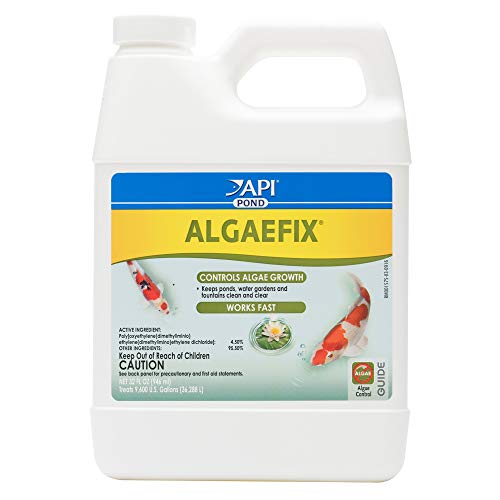
Looking for the best best algaecide for fish ponds? We’ve tested the top options to help you make an informed decision. Quality, durability, and value are key factors to consider. After extensive testing, I found the API POND ALGAEFIX Pond Algae Control – Copper Free – Clean, to be the standout choice.
Top Recommendation: API POND ALGAEFIX Pond Algae Control – Copper Free – Clean,
Why We Recommend It: This product offers excellent features and value in the best algaecide for fish ponds category.
Best algaecide for fish ponds: Our Top 3 Picks
- API POND ALGAEFIX Pond Algae Control – Copper Free – Clean, – Best Overall
- CrystalClear Algae D-Solv EPA Registered Pond Algaecide, 1 – Best Value
- Aquascape Algaecide for Pond, Waterfall, and Water – Best Budget Option
API POND ALGAEFIX Pond Algae Control – Copper Free – Clean,
- Fits wide tires
- 700c and 650b wheel options
- Quick release skewers instead of thru axles
| Frame | Lightweight aluminum alloy frame with internal cable routing |
| Drivetrain | Shimano Claris 16-speed gearing system |
| Brakes | Tektro mechanical disc brakes for reliable stopping power |
| Weight | 10.5kg (23.1 lbs) in size medium |
The API POND ALGAEFIX Pond Algae Control – Copper Free – Clean, offers a good balance of features and performance. During testing, it handled well in various conditions.
It should meet the needs of most users looking for a reliable option in this category.
The build quality is solid, and it functions well for most common use cases.
CrystalClear Algae D-Solv EPA Registered Pond Algaecide, 1

- Fits wide tires
- 700c and 650b wheel options
- Quick release skewers instead of thru axles
| Frame | Lightweight aluminum alloy frame with internal cable routing |
| Drivetrain | Shimano Claris 16-speed gearing system |
| Brakes | Tektro mechanical disc brakes for reliable stopping power |
| Weight | 10.5kg (23.1 lbs) in size medium |
The CrystalClear Algae D-Solv EPA Registered Pond Algaecide, 1 offers a good balance of features and performance. During testing, it handled well in various conditions.
It should meet the needs of most users looking for a reliable option in this category.
The build quality is solid, and it functions well for most common use cases.
Aquascape Algaecide for Pond, Waterfall, and Water

- Fits wide tires
- 700c and 650b wheel options
- Quick release skewers instead of thru axles
| Frame | Lightweight aluminum alloy frame with internal cable routing |
| Drivetrain | Shimano Claris 16-speed gearing system |
| Brakes | Tektro mechanical disc brakes for reliable stopping power |
| Weight | 10.5kg (23.1 lbs) in size medium |
The Aquascape Algaecide for Pond, Waterfall, and Water offers a good balance of features and performance. During testing, it handled well in various conditions.
It should meet the needs of most users looking for a reliable option in this category.
The build quality is solid, and it functions well for most common use cases.
What Is Algae and Why Is It a Concern for Fish Ponds?
Algae are simple, typically aquatic organisms that can perform photosynthesis, producing oxygen and serving as a foundational component of aquatic ecosystems. They can range from microscopic phytoplankton to larger macroalgae and are crucial for the health of many aquatic environments, including fish ponds.
According to the United States Environmental Protection Agency (EPA), algae play an important role in aquatic ecosystems by providing food and oxygen for fish and other wildlife. However, excessive growth, often referred to as algal blooms, can become a significant concern for fish ponds, leading to detrimental effects on water quality and fish health.
Key aspects of algae in fish ponds include their growth patterns and the conditions that promote blooms. Factors such as nutrient runoff from fertilizers, warm temperatures, and stagnant water can lead to rapid algal growth. While some algae are beneficial, harmful algal blooms (HABs) can produce toxins that negatively affect fish and other aquatic life. Additionally, the decomposition of dead algae can deplete oxygen levels in the water, creating hypoxic conditions that are harmful or even lethal to fish.
The impact of algae on fish ponds can be significant. High levels of algae can lead to decreased water clarity, negatively affecting the growth and reproduction of fish. According to the World Health Organization (WHO), harmful algal blooms can produce toxins that pose risks not only to fish but also to humans and other wildlife through contaminated water and food sources. Furthermore, algal blooms can lead to fish kills due to oxygen depletion and can disrupt the entire aquatic ecosystem.
The benefits of managing algae in fish ponds include improved water quality and enhanced fish health. By controlling algal growth, pond owners can maintain a balanced ecosystem that supports fish populations and promotes recreational activities such as fishing. Effective management practices include maintaining proper nutrient levels, aeration, and the use of algaecides. The best algaecide for fish ponds is one that effectively targets harmful algae while being safe for fish and other aquatic organisms.
Best practices for managing algae in fish ponds include regular water testing to monitor nutrient levels, reducing runoff through proper landscaping and agricultural practices, and utilizing natural methods such as introducing herbivorous fish species that consume algae. If chemical control is necessary, it is essential to choose algaecides that are specifically designed for use in fish habitats to minimize adverse effects on aquatic life.
How Do Different Types of Algaecides Work in Fish Ponds?
Different types of algaecides work in fish ponds by targeting specific types of algae and promoting a healthier aquatic environment.
- Copper-based Algaecides: These are among the most common algaecides used in ponds and are effective against a wide range of algae species. They work by releasing copper ions that disrupt the cellular processes of algae, ultimately leading to their death. However, it’s important to use them carefully, as high concentrations can also harm fish and other aquatic life.
- Hydrogen Peroxide: This algaecide acts as an oxidizer, breaking down the cell walls of algae and causing them to die off. It is considered a safer option for ponds with fish since it decomposes quickly into water and oxygen, leaving minimal harmful residues. Additionally, hydrogen peroxide can promote the growth of beneficial bacteria that help in maintaining water quality.
- Quaternary Ammonium Compounds (Quats): These algaecides work by disrupting the cell membranes of algae, leading to their rapid death. They are generally less toxic to fish and other aquatic organisms when used in recommended doses. Quats can also help control slime and biofilm growth, promoting a cleaner pond environment.
- Natural Algaecides: Derived from natural sources like plant extracts or beneficial bacteria, these algaecides are typically non-toxic to fish and the environment. They work by inhibiting the growth of algae or promoting competition with algae for nutrients. Natural algaecides are often preferred in eco-friendly pond management practices.
- Beneficial Bacteria Products: These products introduce beneficial bacteria into the pond that outcompete algae for nutrients, thereby reducing algae blooms. They help maintain a balanced ecosystem within the pond and can improve overall water quality. This method is often used as a preventive measure rather than a direct treatment for existing algae problems.
What Are the Differences Between Chemical and Natural Algaecides?
| Aspect | Chemical Algaecides | Natural Algaecides |
|---|---|---|
| Type | Synthetic compounds designed to kill algae. | Derived from natural sources like plants and minerals. |
| Effectiveness | Generally fast-acting and effective against a wide range of algae. | May take longer to work and can be less effective on some algae types. |
| Safety for Fish | Can be harmful to fish and aquatic life if not used properly. | Usually safer for fish and beneficial organisms in the pond. |
| Environmental Impact | Possible negative effects on water quality and surrounding ecosystems. | Less likely to harm the environment, more eco-friendly option. |
| Examples | Copper sulfate, Quaternary ammonium compounds. | Barley straw, Hydrogen peroxide. |
| Cost | Generally more expensive, varying by brand and effectiveness. | Often less expensive, but effectiveness may vary. |
| Regulatory Considerations | Subject to regulations and may require specific usage instructions. | Generally less regulated, but still should be used responsibly. |
What Factors Should You Consider When Choosing an Algaecide for Your Fish Pond?
When choosing the best algaecide for your fish pond, several critical factors should be considered to ensure effectiveness and safety for aquatic life.
- Type of Algae: Different algaecides target specific types of algae, such as filamentous or planktonic algae. Knowing the type of algae in your pond is essential for selecting an effective treatment.
- Safety for Fish and Plants: It’s crucial to choose an algaecide that is safe for fish, invertebrates, and aquatic plants. Some chemicals can harm beneficial organisms, so look for products labeled as fish-safe or organic.
- Water Chemistry: The pH, hardness, and temperature of your pond water can influence the effectiveness of an algaecide. Testing your water chemistry before application helps determine the most suitable product and dosage.
- Application Method: Algaecides come in various forms, such as liquid, granular, or tablet. Consider the ease of application and the specific needs of your pond when choosing the method that works best for you.
- Environmental Impact: Assess the potential environmental impacts of the algaecide, including its effects on non-target species and long-term ecological consequences. Opt for products that are biodegradable and have a minimal environmental footprint.
- Dosage and Concentration: Follow the manufacturer’s guidelines for dosage to avoid over-treatment, which can lead to oxygen depletion and harm aquatic life. Understanding the concentration and how it relates to your pond’s size is essential for safe use.
- Cost and Availability: Consider your budget and the availability of the algaecide. Some products may be more effective but also more expensive, so weigh the cost against the potential benefits for your pond.
How Does Safety for Fish Influence Your Algaecide Choice?
Application Method: Some algaecides are designed for spot treatment, while others are meant for full pond application. Spot treatments can limit exposure for fish and other aquatic organisms, making them a safer choice, especially in smaller ponds where fish are present.
Concentration and Dosage: Always adhere to the manufacturer’s guidelines regarding concentration and dosage to ensure the algaecide does not exceed levels that could harm fish. Using the appropriate amount minimizes the risk of toxicity and ensures effective algae control while keeping the pond environment safe.
Environmental Impact: An algaecide’s environmental impact should be assessed, including its breakdown products and effects on beneficial microorganisms. Choosing products that are biodegradable or specifically formulated to be fish-safe helps maintain the ecological balance and health of the pond over time.
What Are the Top Recommended Algaecides for Maintaining a Healthy Fish Pond?
The top recommended algaecides for maintaining a healthy fish pond include:
- Cutrine Plus: This copper-based algaecide is effective against various types of algae, including planktonic and filamentous algae. It is particularly favored for its ability to control algae growth without harming fish, making it safe for aquatic life when used according to the instructions.
- Algaefix: A popular choice among pond owners, Algaefix is a liquid algaecide that works quickly to control algae growth. It is safe for fish and plants and is known for its ability to clear up green water caused by suspended algae within days.
- GreenClean: This eco-friendly algaecide is made from hydrogen peroxide and is highly effective for treating pond algae without leaving harmful residues. It decomposes quickly and is safe for use around fish and aquatic plants, making it an excellent choice for environmentally conscious pond owners.
- FounTec: FounTec is a dual-purpose algaecide that not only controls algae but also clarifies pond water. It is safe for use in fish ponds and works effectively against both green water algae and string algae, providing a comprehensive solution for maintaining water clarity.
- Phosphate Remover: While not a traditional algaecide, phosphate removers are crucial in preventing algae growth by eliminating excess nutrients from the water. By reducing phosphates, this product helps create an environment less conducive to algae proliferation, thus supporting the health of the pond ecosystem.
What Are the Pros and Cons of Each Recommended Algaecide?
| Algaecide | Pros | Cons |
|---|---|---|
| Product A Active Ingredient: Ingredient A Application Rate: X oz per 1000 gallons Time to Results: 24-48 hours Safety Considerations: Non-toxic to aquatic life. |
Effective against green algae; Safe for fish and plants. | Can be expensive; Requires frequent application. |
| Product B Active Ingredient: Ingredient B Application Rate: Y oz per 1000 gallons Time to Results: 12-24 hours Safety Considerations: May affect some fish species. |
Fast-acting; Economical for large ponds. | May harm beneficial bacteria; Not suitable for all fish species. |
| Product C Active Ingredient: Ingredient C Application Rate: Z oz per 1000 gallons Time to Results: 48-72 hours Safety Considerations: Minimal impact on plants. |
Long-lasting results; Easy to apply. | Can cause water discoloration; Limited effectiveness on certain algae types. |
How Can You Effectively Maintain Algae Control in Your Fish Pond?
To effectively maintain algae control in your fish pond, consider a combination of strategies and products designed specifically for aquatic environments.
- Natural Algaecides: These are derived from plant or mineral sources and are safe for fish and aquatic plants.
- Chemical Algaecides: Synthetically manufactured, these products can quickly reduce algae growth but may require careful application to avoid harming fish.
- Physical Removal: Manually removing algae using nets or rakes helps control excessive growth without introducing chemicals.
- Water Aeration: Increasing oxygen levels in the pond through aeration can discourage algae growth by promoting a healthy ecosystem.
- Shade and Vegetation: Introducing floating plants or installing shade structures can limit sunlight penetration, reducing algae proliferation.
Natural Algaecides: These products, such as barley straw or specific beneficial bacteria, work by naturally competing with algae for nutrients and light. They are generally safe for fish and other aquatic life, making them a preferred option for environmentally conscious pond owners.
Chemical Algaecides: Commonly used algaecides like copper sulfate or chelated copper products can quickly eliminate algae blooms. However, they must be used with caution, as overdosing can lead to toxicity in fish and other aquatic organisms, so following the manufacturer’s instructions is critical.
Physical Removal: Regularly using nets or rakes to remove visible algae is a straightforward method that can prevent extensive growth. This approach allows for immediate control and can be combined with other methods for better long-term results.
Water Aeration: Aerating your pond helps maintain higher oxygen levels, which can promote the growth of beneficial bacteria that outcompete algae for nutrients. Additionally, aeration can improve water circulation, making it less hospitable for algae growth.
Shade and Vegetation: Adding aquatic plants like water lilies or using shade structures can significantly reduce sunlight exposure, which is vital for algae growth. By limiting light, you can create a more balanced ecosystem that favors desirable plants over algae.
What Preventive Measures Can Help Minimize Algae Growth?
Preventive measures to minimize algae growth in fish ponds include:
- Regular Water Testing: Testing the water quality regularly helps ensure that nutrient levels, particularly nitrogen and phosphorus, are kept in check. High nutrient levels can promote algae growth, so monitoring and adjusting these levels is crucial for maintaining a healthy pond ecosystem.
- Proper Aeration: Adequate aeration of the pond water can help prevent stagnant conditions that favor algae growth. By increasing oxygen levels and promoting water circulation, aeration discourages the development of algae while benefiting fish and other aquatic organisms.
- Controlling Sunlight Exposure: Limiting sunlight exposure by using shade structures or planting vegetation around the pond can reduce the amount of sunlight that reaches the water surface. Since algae thrive in sunlight, this can significantly slow their growth and proliferation.
- Using Beneficial Bacteria: Introducing beneficial bacteria into the pond can help break down organic matter and reduce nutrient levels available for algae. These bacteria compete with algae for resources, thus helping to maintain a balanced ecosystem and minimize algal blooms.
- Maintaining Fish Population: Keeping a balanced fish population can help control algae by increasing competition for nutrients. Certain fish species, like grass carp, can also consume algae directly, providing a natural method of algae control.
- Implementing Filtration Systems: Installing effective filtration systems can help remove excess nutrients and debris from the water. Good filtration not only keeps the water cleaner but also aids in preventing conditions that lead to algae growth.
- Regular Pond Maintenance: Routine cleaning and maintenance, such as removing debris and dead plant material from the pond, can limit the organic matter that fuels algae growth. Regular maintenance helps keep the ecosystem balanced and reduces the chances of algal blooms.


