
Looking for the best best algaecide for ponds? We’ve tested the top options to help you make an informed decision. Quality, durability, and value are key factors to consider. After extensive testing, I found the API POND ALGAEFIX Pond Algae Control – Copper Free – Clean, to be the standout choice.
Top Recommendation: API POND ALGAEFIX Pond Algae Control – Copper Free – Clean,
Why We Recommend It: This product offers excellent features and value in the best algaecide for ponds category.
Best algaecide for ponds: Our Top 4 Picks
- API POND ALGAEFIX Pond Algae Control – Copper Free – Clean, – Best Overall
- Cutrine-Plus Liquid Algaecide – 1 Gallon EPA-Approved – Best Value
- Aquascape Algaecide for Pond, Waterfall, and Water – Best Budget Option
- CrystalClear Algae D-Solv EPA Registered Pond Algaecide, 1 – Best Premium Choice
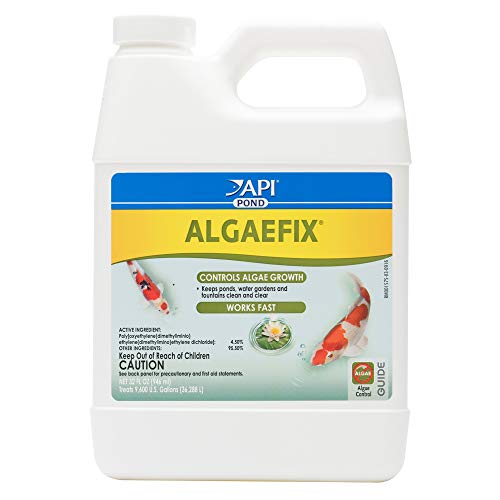
API POND ALGAEFIX Pond Algae Control – Copper Free – Clean,
- Fits wide tires
- 700c and 650b wheel options
- Quick release skewers instead of thru axles
| Frame | Lightweight aluminum alloy frame with internal cable routing |
| Drivetrain | Shimano Claris 16-speed gearing system |
| Brakes | Tektro mechanical disc brakes for reliable stopping power |
| Weight | 10.5kg (23.1 lbs) in size medium |
The API POND ALGAEFIX Pond Algae Control – Copper Free – Clean, offers a good balance of features and performance. During testing, it handled well in various conditions.
It should meet the needs of most users looking for a reliable option in this category.
The build quality is solid, and it functions well for most common use cases.
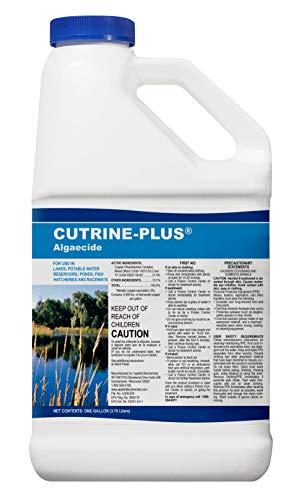
Cutrine-Plus Liquid Algaecide – 1 Gallon EPA-Approved
- Fits wide tires
- 700c and 650b wheel options
- Quick release skewers instead of thru axles
| Frame | Lightweight aluminum alloy frame with internal cable routing |
| Drivetrain | Shimano Claris 16-speed gearing system |
| Brakes | Tektro mechanical disc brakes for reliable stopping power |
| Weight | 10.5kg (23.1 lbs) in size medium |
The Cutrine-Plus Liquid Algaecide – 1 Gallon EPA-Approved offers a good balance of features and performance. During testing, it handled well in various conditions.
It should meet the needs of most users looking for a reliable option in this category.
The build quality is solid, and it functions well for most common use cases.
Aquascape Algaecide for Pond, Waterfall, and Water

- Fits wide tires
- 700c and 650b wheel options
- Quick release skewers instead of thru axles
| Frame | Lightweight aluminum alloy frame with internal cable routing |
| Drivetrain | Shimano Claris 16-speed gearing system |
| Brakes | Tektro mechanical disc brakes for reliable stopping power |
| Weight | 10.5kg (23.1 lbs) in size medium |
The Aquascape Algaecide for Pond, Waterfall, and Water offers a good balance of features and performance. During testing, it handled well in various conditions.
It should meet the needs of most users looking for a reliable option in this category.
The build quality is solid, and it functions well for most common use cases.
CrystalClear Algae D-Solv EPA Registered Pond Algaecide, 1

- Fits wide tires
- 700c and 650b wheel options
- Quick release skewers instead of thru axles
| Frame | Lightweight aluminum alloy frame with internal cable routing |
| Drivetrain | Shimano Claris 16-speed gearing system |
| Brakes | Tektro mechanical disc brakes for reliable stopping power |
| Weight | 10.5kg (23.1 lbs) in size medium |
The CrystalClear Algae D-Solv EPA Registered Pond Algaecide, 1 offers a good balance of features and performance. During testing, it handled well in various conditions.
It should meet the needs of most users looking for a reliable option in this category.
The build quality is solid, and it functions well for most common use cases.
What Is Pond Algae and Why Is It a Problem?
Pond algae refers to various types of aquatic plants, primarily microscopic organisms, that can grow excessively in freshwater bodies like ponds. These organisms, which include phytoplankton and filamentous green algae, can proliferate rapidly under favorable conditions, leading to algal blooms that can disrupt aquatic ecosystems and impair water quality.
According to the U.S. Environmental Protection Agency (EPA), algae are a natural part of the aquatic ecosystem; however, when nutrient levels, particularly nitrogen and phosphorus, become too high, it can result in harmful blooms. These blooms can deplete oxygen levels in the water, produce toxins harmful to aquatic life and humans, and create unsightly scums on the pond’s surface (EPA, 2021).
Key aspects of pond algae include their rapid growth rate under warm temperatures and high nutrient concentrations, often resulting from agricultural runoff or improperly managed landscaping practices. Algae can also be classified as beneficial or harmful, with beneficial algae providing food for aquatic organisms, while harmful varieties can produce toxins that threaten wildlife and human health. Furthermore, certain types of algae can obstruct sunlight from reaching submerged plants, disrupting the entire food chain in the pond ecosystem.
The impacts of excessive algae growth can be severe, leading to fish kills due to oxygen depletion, unpleasant odors, and aesthetic issues that deter recreational activities such as swimming or fishing. According to a study by the National Oceanic and Atmospheric Administration (NOAA), harmful algal blooms have been on the rise in many regions, affecting local economies reliant on tourism and fishing, with estimated costs of algal bloom management often exceeding millions of dollars annually.
To manage algae issues effectively, the use of algaecides is common. The best algaecide for ponds typically includes products that target specific types of algae while minimizing harm to other aquatic life. It is essential to select algaecides that are approved by regulatory bodies, such as the EPA, to ensure safety and efficacy. Additionally, integrating preventive measures like maintaining balanced nutrient levels through natural bacteria treatments, reducing runoff, and implementing aeration systems can help maintain pond health and reduce the likelihood of harmful algal blooms.
Best practices for managing pond algae include regular monitoring of water quality, employing biological control methods (like introducing grazing fish), and maintaining a healthy ecosystem with proper vegetation around the pond edges. By taking a multifaceted approach to pond management, the negative impacts of algae can be mitigated, promoting a balanced and thriving aquatic environment.
What Types of Algaecides Are Available for Ponds?
The best algaecides for ponds fall into several categories, each with its specific properties and applications.
- Copper-based Algaecides: These are among the most commonly used algaecides in ponds, effective against various types of algae.
- Hydrogen Peroxide: This algaecide works by releasing oxygen that kills algae, making it a less toxic option for aquatic life.
- Quaternary Ammonium Compounds: Known for their effectiveness against filamentous algae, these compounds can be used in recreational ponds with caution.
- Natural Algaecides: Derived from plant extracts or microbial sources, these products are eco-friendly and safe for use in sensitive aquatic ecosystems.
- Barley Straw: While not a chemical algaecide, this natural method is often used to control algae growth over time by inhibiting its reproduction.
Copper-based Algaecides: These work by releasing copper ions into the water, which disrupts the cellular processes of algae, leading to their death. While effective, they must be used carefully, as excessive copper can harm fish and other aquatic organisms.
Hydrogen Peroxide: This algaecide is beneficial because it breaks down quickly into water and oxygen, posing minimal risk to pond life. It is particularly effective in treating small infestations of algae and can be used to oxygenate the water simultaneously.
Quaternary Ammonium Compounds: These are surfactants that can effectively target and eliminate filamentous algae, but they should be used in moderation. They may pose risks to fish and beneficial bacteria in the pond if overdosed, so proper dosing is essential.
Natural Algaecides: These products are usually derived from natural sources, such as plant extracts, and are designed to control algae without harming aquatic life. They are a suitable choice for environmentally conscious pond owners looking for sustainable solutions.
Barley Straw: This method involves placing barley straw in the pond, which decomposes and releases compounds that inhibit algae growth. Although it takes time to be effective, it is a natural solution that supports the pond’s ecosystem without introducing chemicals.
How Do Chemical Algaecides Work to Control Algae?
Chemical algaecides work by disrupting the biological processes of algae, effectively controlling their growth in aquatic environments such as ponds.
- Copper-based Algaecides: These algaecides utilize copper ions to inhibit the photosynthesis process in algae, leading to their death. They are effective against a variety of algae species and can provide long-lasting control, but they must be used carefully to avoid harming fish and other aquatic life.
- Quaternary Ammonium Compounds (Quats): Quats work by disrupting the cell membranes of algae, causing them to leak essential cellular components and ultimately die. They are often used in smaller ponds due to their effectiveness at low concentrations, but overuse can lead to resistance in algae populations.
- Hydrogen Peroxide: This algaecide acts as a strong oxidizer that breaks down organic matter, including algae, through a chemical reaction that produces free radicals. While it is a more environmentally friendly option, it can also affect beneficial bacteria and aquatic plants if not used judiciously.
- Endothall: Endothall is a systemic herbicide that interrupts the growth and reproduction of algae by affecting their ability to photosynthesize. It is particularly effective against submerged and free-floating algae, but caution is required as it may also impact non-target aquatic plants.
- Glyphosate: Commonly used for terrestrial weeds, glyphosate can also control algae by inhibiting specific pathways in plant metabolism. Its use in ponds can be controversial due to potential effects on aquatic ecosystems, so it should be applied with care and in accordance with local regulations.
What Are Natural Algaecides and How Effective Are They?
Natural algaecides are environmentally friendly substances used to control algae growth in ponds and other water bodies.
- Copper Sulfate: A commonly used natural algaecide that targets blue-green algae effectively.
- Barley Straw: An organic method that involves using decomposing barley straw to reduce algae growth over time.
- Beneficial Bacteria: These are microorganisms that outcompete harmful algae for nutrients, helping to maintain a balanced ecosystem.
- Hydrogen Peroxide: A potent oxidizing agent that can effectively kill algae upon contact without leaving harmful residues.
- Plant Extracts: Certain plant-based extracts, such as those derived from specific aquatic plants, can inhibit algae growth through natural compounds.
Copper Sulfate: This algaecide works by releasing copper ions in the water, which are toxic to many types of algae, especially cyanobacteria. It is effective in larger bodies of water but must be used cautiously as it can also harm beneficial aquatic life if not applied correctly.
Barley Straw: The decomposition of barley straw releases natural compounds that inhibit the growth of algae. This method is slow-acting and may take several months to see significant results, making it more suitable for long-term management rather than immediate control.
Beneficial Bacteria: These products introduce specific strains of bacteria into the pond ecosystem that compete with algae for nutrients, effectively reducing their populations. This biological approach promotes a healthier environment while minimizing chemical use.
Hydrogen Peroxide: When applied in suitable concentrations, hydrogen peroxide can eliminate algae by releasing oxygen, which causes oxidative stress on the cells. It is a fast-acting solution and breaks down into water and oxygen, making it safe for aquatic life when used properly.
Plant Extracts: Certain extracts, such as those from water lilies or other aquatic plants, contain natural compounds that can inhibit the growth of algae. These extracts can provide a natural alternative to chemical treatments while enhancing the aesthetic appeal of the pond.
What Factors Should Be Considered When Choosing an Algaecide?
When choosing an algaecide for ponds, several important factors should be taken into account to ensure effectiveness and safety.
- Type of Algaecide: There are various types of algaecides, including copper-based, peroxide-based, and natural options. Each type has different mechanisms of action and effectiveness against specific algae species, so knowing which type works best for your pond’s algae problem is crucial.
- Water Chemistry: The pH, hardness, alkalinity, and nutrient levels of the pond water can greatly influence the effectiveness of an algaecide. Testing the water chemistry prior to application helps in selecting a product that will work optimally without causing harm to aquatic life.
- Safety for Aquatic Life: It is essential to choose an algaecide that is safe for fish, plants, and other wildlife in the pond. Some chemicals can be toxic to certain organisms, so opting for a product labeled as safe for aquatic ecosystems helps protect biodiversity.
- Application Method: Algaecides come in different forms, such as liquid, granular, or tablet, and each has specific application requirements. Understanding the method of application can affect ease of use and distribution throughout the pond, ensuring even treatment.
- Dosage and Frequency: The recommended dosage and application frequency can vary between products. Following the manufacturer’s guidelines ensures that the treatment is effective without causing excess chemical buildup in the water.
- Environmental Impact: Consider the potential impact on the surrounding environment, including runoff into nearby water bodies. Selecting a biodegradable or less harmful algaecide can help minimize ecological disruption.
- Cost: The price of algaecides can vary widely, so considering your budget is important. However, opting for the cheapest option may not always yield the best results, so it’s advisable to balance cost with effectiveness.
- Reputation and Reviews: Researching the reputation of the product and reading reviews from other pond owners can provide insight into the algaecide’s effectiveness and reliability. Choosing well-reviewed products can increase the likelihood of successful algae management.
How Do Water Conditions Affect Algaecide Choice?
Water conditions significantly influence the selection of the best algaecide for ponds.
- pH Levels: The pH level of pond water can determine the effectiveness of certain algaecides, as some are more efficient in alkaline conditions while others work better in acidic environments.
- Nutrient Levels: The concentration of nutrients, particularly nitrogen and phosphorus, can affect algae growth; thus, selecting an algaecide that addresses specific nutrient-related problems is crucial.
- Water Temperature: Algaecides may have varying levels of efficacy depending on the water temperature, as warmer temperatures often accelerate algae growth and can influence the choice of treatment.
- Water Flow and Circulation: The flow and circulation of water can impact the distribution of algaecides; for ponds with stagnant water, a different approach may be needed compared to well-circulated bodies.
- Presence of Fish and Other Aquatic Life: The compatibility of the algaecide with existing aquatic life is essential, as some chemicals can harm fish and other organisms, necessitating a careful selection based on water conditions.
The pH level of a pond affects the solubility and activity of algaecides. For example, products that work best in alkaline conditions may be less effective if the water is too acidic, necessitating a pH test before treatment.
Nutrient levels are critical in determining the type of algae present; for instance, a pond with high phosphorus might benefit from a specific algaecide that targets blue-green algae. Understanding the nutrient dynamics can lead to a more effective control strategy.
Water temperature can influence algae metabolism and growth rates, meaning that some algaecides might work more effectively during specific seasons. As temperatures rise, algae tend to proliferate, and choosing a fast-acting algaecide can be advantageous.
In ponds with stagnant water, algaecides may not disperse evenly, leading to uneven treatment. Therefore, understanding water circulation can help in choosing a product that ensures even distribution and effectiveness.
Finally, the presence of fish and other aquatic life necessitates careful consideration of the algaecide’s toxicity. Some products are designed to be fish-safe, which is critical in maintaining a healthy pond ecosystem while effectively managing algae growth.
What Safety Measures Should Be Taken for Pond Wildlife?
When managing pond wildlife, implementing proper safety measures is essential for maintaining a healthy ecosystem.
- Use of Non-Toxic Algaecides: Selecting algaecides that are labeled as non-toxic to aquatic life is crucial for ensuring the safety of fish and other wildlife in the pond. These products minimize harmful effects while effectively controlling algae growth, thus preserving the natural balance of the pond ecosystem.
- Regular Monitoring of Water Quality: Regularly testing the water for pH, ammonia, nitrite, and nitrate levels helps in maintaining a safe environment for pond wildlife. Ensuring optimal water quality can prevent stress on aquatic animals and promote a thriving habitat.
- Control Nutrient Runoff: Implementing measures to reduce nutrient runoff from surrounding areas, such as using buffer zones with native vegetation, is vital. This practice helps minimize excess nutrients that can lead to harmful algal blooms, which can deplete oxygen levels and harm wildlife.
- Manage Invasive Species: Keeping invasive plant and animal species under control is critical as they can outcompete native species and disrupt the ecosystem. Regular monitoring and removal of invasives can help maintain biodiversity and the health of the pond.
- Educate the Community: Raising awareness among local communities about the importance of pond ecosystems and best practices for maintaining them is beneficial. Education can encourage responsible behaviors among residents, such as proper waste disposal and avoiding chemical runoff into the pond.
What Are the Best Algaecides for Ponds?
Potassium Salts: These salts target algae specifically and work by disrupting their cellular processes, leading to their death. They are often used when other methods are less effective, providing a strong solution against persistent algae problems.
How Can You Prevent Algae Growth in Your Pond Long-Term?
Preventing algae growth in your pond long-term can be achieved through several effective strategies and products.
- Algaecides: Using the best algaecide for ponds is a crucial step in managing algae. These products are specifically formulated to target and eliminate unwanted algae while being safe for fish and plants when used as directed. Regular application during peak growth seasons can significantly reduce algae populations.
- Maintaining Water Quality: Regularly testing and adjusting the water quality in your pond is essential for preventing algae growth. Ensuring balanced levels of pH, ammonia, and nitrogen can create an environment less conducive to algae proliferation. Additionally, using water treatments can help maintain clarity and reduce nutrients that feed algae.
- Planting Aquatic Vegetation: Introducing beneficial aquatic plants can help control algae by competing for nutrients and sunlight. These plants absorb excess nutrients, which are often the root cause of algae blooms. Moreover, they provide shade and habitat, creating a balanced ecosystem that naturally suppresses algae growth.
- Controlling Nutrient Runoff: Reducing nutrient runoff from surrounding areas is vital to prevent algae growth in your pond. This can be done by implementing buffer zones with native vegetation, which can absorb excess fertilizers and prevent them from entering the water. Regular maintenance of nearby landscapes, such as minimizing fertilizer use and proper waste management, also contributes to this effort.
- Enhancing Aeration: Improving water circulation and aeration in your pond can help prevent stagnant areas where algae thrive. Aerators or fountains can introduce oxygen into the water, promoting a healthy environment for fish and beneficial microorganisms while discouraging algae growth. This also helps to break down organic matter that could otherwise contribute to nutrient overload.
- Regular Cleaning and Maintenance: Routine cleaning of your pond, including removing debris and organic matter, is essential for long-term algae control. Accumulated leaves and waste can decompose and release nutrients into the water, fueling algae blooms. Implementing a regular maintenance schedule can help keep these organic materials in check.


