
Looking for the best best algaecide for large ponds? We’ve tested the top options to help you make an informed decision. Quality, durability, and value are key factors to consider. After extensive testing, I found the API POND ALGAEFIX Pond Algae Control – Copper Free – Clean, to be the standout choice.
Top Recommendation: API POND ALGAEFIX Pond Algae Control – Copper Free – Clean,
Why We Recommend It: This product offers excellent features and value in the best algaecide for large ponds category.
Best algaecide for large ponds: Our Top 4 Picks
- API POND ALGAEFIX Pond Algae Control – Copper Free – Clean, – Best Overall
- Aquascape 96026 Algaecide for Pond, Waterfall, and Water – Best Value
- CrystalClear Algae D-Solv EPA Registered Pond Algaecide, 1 – Best Budget Option
- Cutrine-Plus Liquid Algaecide – 1 Gallon EPA-Approved – Best Premium Choice
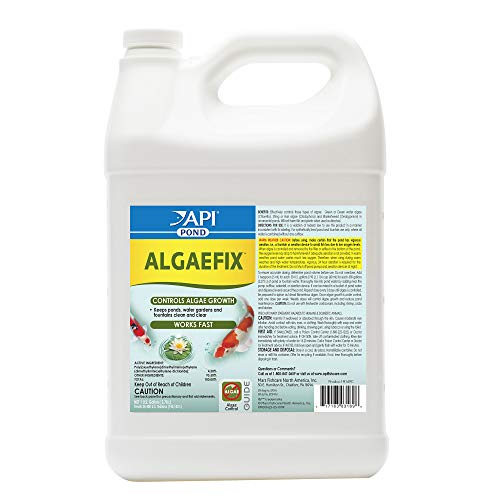
API POND ALGAEFIX Pond Algae Control – Copper Free – Clean,
- Fits wide tires
- 700c and 650b wheel options
- Quick release skewers instead of thru axles
| Frame | Lightweight aluminum alloy frame with internal cable routing |
| Drivetrain | Shimano Claris 16-speed gearing system |
| Brakes | Tektro mechanical disc brakes for reliable stopping power |
| Weight | 10.5kg (23.1 lbs) in size medium |
The API POND ALGAEFIX Pond Algae Control – Copper Free – Clean, offers a good balance of features and performance. During testing, it handled well in various conditions.
It should meet the needs of most users looking for a reliable option in this category.
The build quality is solid, and it functions well for most common use cases.
Aquascape 96026 Algaecide for Pond, Waterfall, and Water

- Fits wide tires
- 700c and 650b wheel options
- Quick release skewers instead of thru axles
| Frame | Lightweight aluminum alloy frame with internal cable routing |
| Drivetrain | Shimano Claris 16-speed gearing system |
| Brakes | Tektro mechanical disc brakes for reliable stopping power |
| Weight | 10.5kg (23.1 lbs) in size medium |
The Aquascape 96026 Algaecide for Pond, Waterfall, and Water offers a good balance of features and performance. During testing, it handled well in various conditions.
It should meet the needs of most users looking for a reliable option in this category.
The build quality is solid, and it functions well for most common use cases.
CrystalClear Algae D-Solv EPA Registered Pond Algaecide, 1

- Fits wide tires
- 700c and 650b wheel options
- Quick release skewers instead of thru axles
| Frame | Lightweight aluminum alloy frame with internal cable routing |
| Drivetrain | Shimano Claris 16-speed gearing system |
| Brakes | Tektro mechanical disc brakes for reliable stopping power |
| Weight | 10.5kg (23.1 lbs) in size medium |
The CrystalClear Algae D-Solv EPA Registered Pond Algaecide, 1 offers a good balance of features and performance. During testing, it handled well in various conditions.
It should meet the needs of most users looking for a reliable option in this category.
The build quality is solid, and it functions well for most common use cases.
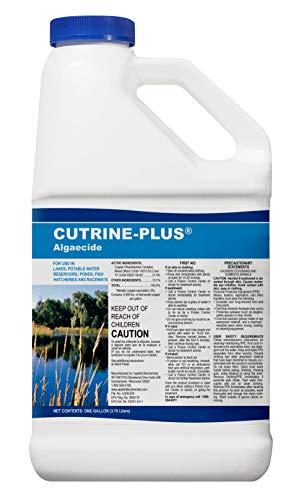
Cutrine-Plus Liquid Algaecide – 1 Gallon EPA-Approved
- Fits wide tires
- 700c and 650b wheel options
- Quick release skewers instead of thru axles
| Frame | Lightweight aluminum alloy frame with internal cable routing |
| Drivetrain | Shimano Claris 16-speed gearing system |
| Brakes | Tektro mechanical disc brakes for reliable stopping power |
| Weight | 10.5kg (23.1 lbs) in size medium |
The Cutrine-Plus Liquid Algaecide – 1 Gallon EPA-Approved offers a good balance of features and performance. During testing, it handled well in various conditions.
It should meet the needs of most users looking for a reliable option in this category.
The build quality is solid, and it functions well for most common use cases.
What Are Algaecides, and How Do They Benefit Large Ponds?
Algaecides are chemical or biological agents used to control or eliminate algae in water bodies, and they can significantly benefit large ponds by maintaining water quality and promoting a healthy aquatic environment.
- Copper-Based Algaecides: These are one of the most common types of algaecides, effective against a wide range of algae species. They work by releasing copper ions into the water, which disrupts the photosynthesis process of algae, ultimately leading to their death. However, it’s important to monitor copper levels to avoid toxicity to fish and other aquatic life.
- Quaternary Ammonium Compounds: Often referred to as ‘quats’, these algaecides are effective in preventing algae growth by disrupting the cell membranes of algae. They are particularly useful in smaller applications and are less toxic to fish and plants, making them suitable for treating large ponds without compromising their ecological balance.
- Hydrogen Peroxide: This algaecide works by releasing oxygen when it decomposes, which can kill algae and improve water clarity. It is considered a safer option as it breaks down into water and oxygen, posing minimal risk to fish and other aquatic organisms, making it an attractive choice for large pond owners focused on environmental safety.
- Bacterial Algaecides: These products utilize beneficial bacteria to outcompete harmful algae for nutrients, effectively reducing their growth. They do not introduce harmful chemicals into the pond and can improve overall water quality by breaking down organic matter, promoting a healthier ecosystem in large ponds.
- Natural Algaecides: Derived from plant extracts or natural compounds, these algaecides can be effective in controlling algae while being environmentally friendly. They often contain ingredients like barley straw or essential oils, which can disrupt algae growth without harming fish or beneficial aquatic plants.
What Types of Algaecides Are Suitable for Large Ponds?
The best algaecides for large ponds can be categorized into several types, each with unique properties and effectiveness.
- Copper-Based Algaecides: These algaecides contain copper ions, which are toxic to algae and can effectively reduce algal blooms. They work by disrupting the cellular processes of algae, leading to their death, but care must be taken to avoid harming aquatic life, as high concentrations can be toxic to fish and invertebrates.
- Hydrogen Peroxide: This is an eco-friendly algaecide that breaks down into water and oxygen, making it safe for use in ponds. It works by oxidizing the organic matter and disrupting cellular functions in algae, leading to their demise while also aiding in the overall health of the water body.
- Natural Algaecides: These products are derived from plant extracts and are considered environmentally friendly. They often contain ingredients like barley straw or specific enzymes that inhibit algae growth without harming fish or other aquatic organisms, making them a good choice for sensitive ecosystems.
- Quaternary Ammonium Compounds: Commonly known as “quats,” these are effective at controlling algae and can also act as a disinfectant. They work by disrupting the cell membranes of algae, though they need to be used carefully to avoid toxicity to beneficial microorganisms in the pond.
- Ultraviolet (UV) Light Systems: While not a chemical algaecide, UV systems can be very effective in controlling algae by sterilizing the water as it passes through the UV chamber. This method prevents algae from reproducing, making it a chemical-free option that maintains water clarity and quality.
How Do Chemical Algaecides Compare to Natural Alternatives?
| Aspect | Chemical Algaecides | Natural Alternatives |
|---|---|---|
| Effectiveness | Highly effective at quickly eliminating algae but may require repeated applications. | Generally effective but may take longer to show results and might not eliminate algae entirely. |
| Environmental Impact | Can harm aquatic life and disrupt ecosystems if not used properly. | Less harmful to the environment and often promotes biodiversity. |
| Cost | Typically more expensive upfront, but may require fewer applications over time. | Often cheaper and can be sourced from readily available materials. |
| Application Method | Usually requires careful measurement and specific techniques for optimal results. | Often easier to apply and can be done with minimal equipment. |
| Safety for Pets and Humans | May pose risks to pets and humans if ingested or improperly handled. | Generally safer for pets and humans, but some natural substances may still cause irritation. |
| Regulations | Subject to strict regulations and may require permits for use in certain areas. | Typically fewer regulations, but some natural products may still have guidelines for use. |
| Long-term Effectiveness | Can provide quick results but may lead to recurring algae blooms if not managed. | May require ongoing maintenance but can lead to more sustainable long-term solutions. |
| Examples of Products | Products like Copper Sulfate and Trichloroisocyanuric Acid (TCCA). | Examples include Barley Straw Extract and Hydrogen Peroxide. |
Which Algaecides Are Considered Safe for Fish and Aquatic Ecosystems?
The best algaecides for large ponds that are considered safe for fish and aquatic ecosystems include:
- Copper-Based Algaecides: These algaecides are effective at controlling various types of algae, particularly blue-green algae. When used in moderation, they can be safe for fish and other aquatic life, but excessive use can lead to copper accumulation, which may be harmful.
- Hydrogen Peroxide: This algaecide works by releasing oxygen when it decomposes, which helps to kill algae without leaving harmful residues. Its rapid breakdown makes it a safe option for aquatic ecosystems, as it does not persist in the water long enough to harm fish or other organisms.
- Beneficial Bacteria: These products introduce natural bacteria that outcompete algae for nutrients. This method is safe for fish and promotes a healthier pond ecosystem by improving water quality and reducing organic waste.
- Barley Straw: Natural and environmentally friendly, barley straw releases compounds that inhibit algae growth as it decomposes. It is safe for fish and can also enhance the overall health of the pond by providing a natural means of algae control.
- Potassium Salts: This algaecide targets algae while being safe for fish and aquatic plants. It works by disrupting the cellular function of algae, leading to their death, and has minimal impact on the surrounding ecosystem when used appropriately.
What Factors Should Be Considered When Selecting Algaecides for Large Ponds?
When selecting algaecides for large ponds, several important factors should be considered to ensure effective control of algae while maintaining the health of the ecosystem.
- Type of Algae: Different algaecides are more effective against specific types of algae, such as green, blue-green, or filamentous algae. Identifying the predominant algae species in the pond is crucial as it informs the selection of the most appropriate algaecide for targeted treatment.
- Effect on Aquatic Life: It’s essential to choose an algaecide that minimizes harm to fish, plants, and other aquatic organisms. Some algaecides can be toxic to beneficial species, so selecting products labeled as safe for use in recreational or fish-bearing waters is vital to preserve the pond ecosystem.
- Application Method: Consideration of how the algaecide is applied (liquid, granular, or tablet form) and whether it requires specialized equipment is important. The ease of application can impact the effectiveness and efficiency of treatment, especially in large areas.
- Environmental Impact: Assessing the environmental footprint of the algaecide is necessary. Biodegradable and environmentally friendly products may be preferable, as they help to minimize long-term ecological disruption and potential contamination of surrounding areas.
- Dosage and Frequency: The recommended dosage and how often the treatment should be applied can vary widely among different algaecides. Understanding the specific requirements for effective algae control is important to avoid overapplication, which can lead to water quality issues.
- Cost and Availability: The budget for purchasing algaecides is a practical consideration, alongside the availability of products in local stores or online. Comparing prices and ensuring that the chosen algaecide is readily obtainable can help in planning ongoing pond maintenance.
- Regulatory Compliance: It’s crucial to adhere to local regulations regarding the use of algaecides in natural water bodies. Some areas may have restrictions on certain chemicals, so checking with local environmental agencies ensures compliance and protects the pond’s ecosystem.
How Do Pond Size, Depth, and Temperature Influence Algaecide Efficacy?
The effectiveness of algaecides in large ponds is significantly influenced by various factors such as pond size, depth, and temperature.
- Pond Size: The size of a pond determines the volume of water that needs to be treated and can affect the concentration of the algaecide.
- Pond Depth: The depth influences light penetration and oxygen levels, both of which can impact algal growth and the efficacy of algaecides.
- Water Temperature: Temperature plays a crucial role in algal metabolism and reproduction, affecting how algaecides function and degrade.
Pond Size: Larger ponds require more algaecide to achieve effective concentration levels, which can complicate dosing. If the algaecide is not distributed evenly, it may lead to uneven results, where some areas are treated effectively while others are not, potentially leading to continued algal blooms.
Pond Depth: Shallow ponds typically experience higher temperatures and more light penetration, which can promote algal growth. In contrast, deeper ponds may have cooler, darker conditions that can inhibit algal proliferation, thus affecting the choice and effectiveness of the algaecide used.
Water Temperature: Warmer water temperatures can accelerate algal growth, making it crucial to apply algaecides during peak temperatures for maximum effect. Additionally, some algaecides may break down more quickly in warmer water, necessitating careful timing and monitoring to ensure continued efficacy.
What Are the Most Effective and Popular Algaecides for Large Ponds?
Natural Algaecides: These products use ingredients like essential oils and plant extracts to control algae growth without introducing harmful chemicals into the ecosystem. They are often preferred for organic farming and environmentally sensitive areas.
Beneficial Bacteria: These bacteria consume nutrients that algae need to thrive, effectively lowering the nutrient levels in the pond. They create a balanced ecosystem that not only controls algae but also promotes the health of fish and other aquatic life.
Barley Straw: This method is based on the natural decomposition of barley straw, which releases compounds that inhibit algae growth. It is a slow-acting solution, making it best suited for long-term algae management rather than immediate control.
How Should Algaecides Be Applied to Ensure Effectiveness in Large Ponds?
To ensure effectiveness when applying algaecides in large ponds, several key practices should be followed:
- Water Testing: Conducting water quality tests before application helps identify the specific type of algae and the appropriate algaecide needed.
- Application Timing: Applying algaecides during early morning or late evening can enhance effectiveness, as algae are more actively metabolizing at these times.
- Proper Dosage: Following the manufacturer’s recommended dosage is crucial; over-application can harm aquatic life while under-application may not effectively control algae.
- Even Distribution: Utilizing a sprayer or boat to evenly distribute the algaecide across the pond surface ensures thorough coverage and minimizes localized toxicity.
- Monitoring and Follow-up: Regularly monitoring the pond after application allows for assessing the effectiveness of the treatment and determining if a second application is necessary.
Water testing is an essential first step in the algaecide application process. By analyzing parameters such as pH, nutrient levels, and the specific type of algae present, pond owners can choose the best algaecide for large ponds tailored to their specific conditions, improving the likelihood of successful treatment.
Application timing plays a significant role in the effectiveness of algaecide treatments. Early morning or late evening applications take advantage of the algae’s peak activity periods, leading to more effective absorption and a better chance of eradication.
Proper dosage is critical for the safe and effective use of algaecides. Adhering to the recommended amounts prevents potential harm to fish and other aquatic organisms while ensuring that the treatment is strong enough to combat the algae problem.
Even distribution of the algaecide is key to achieving uniform effectiveness across the pond. Utilizing equipment like sprayers or boats helps to avoid concentrated areas of treatment, which can lead to toxicity for non-target species and ineffective algae control.
Finally, monitoring the pond’s condition after treatment is vital to evaluate the success of the algaecide application. This involves checking for signs of algae regrowth and may necessitate follow-up treatments to maintain water quality and clarity.
What Are the Risks and Side Effects Associated with Using Algaecides?
Toxic residues are concerning as they may persist in the water body, affecting organisms even after the initial treatment has been applied. These residues can accumulate in the food chain, posing long-term risks to aquatic ecosystems.
Resistance development is a significant issue in algae management; repeated use of the same algaecide may encourage the evolution of resistant algal species, making future treatments less effective and complicating management strategies.
Human health risks arise from improper application or exposure to concentrated algaecides. Individuals may experience skin irritations or respiratory problems if they come into contact with the chemicals or inhale aerosolized particles during application.
Related Post:

