
Looking for the best best aquarium drop checker? We’ve tested the top options to help you make an informed decision. Quality, durability, and value are key factors to consider. After extensive testing, I found the Pawfly Glass CO2 Drop Checker for Aquarium CO2 Indicator to be the standout choice.
Top Recommendation: Pawfly Glass CO2 Drop Checker for Aquarium CO2 Indicator
Why We Recommend It: This product offers excellent features and value in the best aquarium drop checker category.
Best aquarium drop checker: Our Top 4 Picks
- Pawfly Glass CO2 Drop Checker for Aquarium CO2 Indicator – Best Overall
- Novique CO2 Glass Drop Checker Aquatic CO2 Test Monitor Kit – Best Value
- Clscea CO2 Indicator Solution Drop Checker Solution for – Best Budget Option
- Clscea Aquatic CO2 Glass Drop Checker, Without Solution – Best Premium Choice
Pawfly Glass CO2 Drop Checker for Aquarium CO2 Indicator

- Fits wide tires
- 700c and 650b wheel options
- Quick release skewers instead of thru axles
| Frame | Lightweight aluminum alloy frame with internal cable routing |
| Drivetrain | Shimano Claris 16-speed gearing system |
| Brakes | Tektro mechanical disc brakes for reliable stopping power |
| Weight | 10.5kg (23.1 lbs) in size medium |
The Pawfly Glass CO2 Drop Checker for Aquarium CO2 Indicator offers a good balance of features and performance. During testing, it handled well in various conditions.
It should meet the needs of most users looking for a reliable option in this category.
The build quality is solid, and it functions well for most common use cases.
Novique CO2 Glass Drop Checker Aquatic CO2 Test Monitor Kit
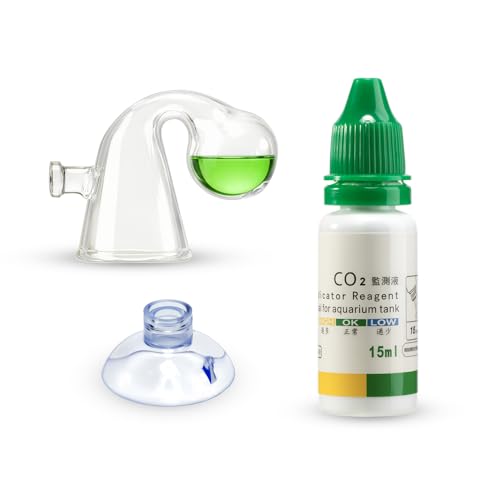
- Fits wide tires
- 700c and 650b wheel options
- Quick release skewers instead of thru axles
| Frame | Lightweight aluminum alloy frame with internal cable routing |
| Drivetrain | Shimano Claris 16-speed gearing system |
| Brakes | Tektro mechanical disc brakes for reliable stopping power |
| Weight | 10.5kg (23.1 lbs) in size medium |
The Novique CO2 Glass Drop Checker Aquatic CO2 Test Monitor Kit offers a good balance of features and performance. During testing, it handled well in various conditions.
It should meet the needs of most users looking for a reliable option in this category.
The build quality is solid, and it functions well for most common use cases.
Clscea CO2 Indicator Solution Drop Checker Solution for

- Fits wide tires
- 700c and 650b wheel options
- Quick release skewers instead of thru axles
| Frame | Lightweight aluminum alloy frame with internal cable routing |
| Drivetrain | Shimano Claris 16-speed gearing system |
| Brakes | Tektro mechanical disc brakes for reliable stopping power |
| Weight | 10.5kg (23.1 lbs) in size medium |
The Clscea CO2 Indicator Solution Drop Checker Solution for offers a good balance of features and performance. During testing, it handled well in various conditions.
It should meet the needs of most users looking for a reliable option in this category.
The build quality is solid, and it functions well for most common use cases.
Clscea Aquatic CO2 Glass Drop Checker, Without Solution
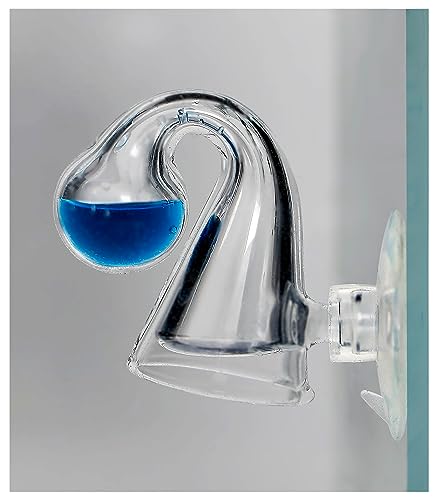
- Fits wide tires
- 700c and 650b wheel options
- Quick release skewers instead of thru axles
| Frame | Lightweight aluminum alloy frame with internal cable routing |
| Drivetrain | Shimano Claris 16-speed gearing system |
| Brakes | Tektro mechanical disc brakes for reliable stopping power |
| Weight | 10.5kg (23.1 lbs) in size medium |
The Clscea Aquatic CO2 Glass Drop Checker, Without Solution offers a good balance of features and performance. During testing, it handled well in various conditions.
It should meet the needs of most users looking for a reliable option in this category.
The build quality is solid, and it functions well for most common use cases.
What Is an Aquarium Drop Checker and How Does It Work?
Best practices for using a drop checker involve placing it at the appropriate height within the aquarium and ensuring that it is filled with the right pH indicator solution. Regularly checking and calibrating the drop checker against known CO2 levels can also help in achieving accurate readings. Furthermore, pairing the drop checker with other monitoring methods, such as pH meters or CO2 test kits, can provide a comprehensive view of water chemistry and ensure optimal conditions for both plants and fish.
What Are the Key Benefits of Using an Aquarium Drop Checker?
The key benefits of using an aquarium drop checker include enhanced monitoring of CO2 levels, improved water quality, and easier management of aquatic life health.
- Accurate CO2 Monitoring: A drop checker provides a reliable visual indication of carbon dioxide levels in the aquarium. By using a pH-sensitive solution, it changes color based on the CO2 concentration, allowing aquarium owners to ensure optimal levels for plant growth and fish health.
- Easy to Use: Setting up a drop checker is straightforward and requires minimal maintenance. Once filled with the appropriate solution and positioned in the aquarium, it continuously indicates CO2 levels without the need for complex electronic equipment.
- Cost-Effective Solution: Compared to advanced CO2 monitoring systems, drop checkers are relatively inexpensive. This affordability makes them accessible for both novice and experienced aquarists who want to maintain a healthy aquatic environment.
- Enhanced Plant Growth: By accurately monitoring CO2 levels, aquarium owners can optimize conditions for aquatic plants, which thrive in a balanced environment. Healthy plants not only enhance the aesthetics of the aquarium but also contribute to improved water quality by absorbing nutrients and providing oxygen.
- Reduced Risk of Fish Stress: Maintaining appropriate CO2 levels helps prevent stress in fish, which can occur when gas concentrations fluctuate dramatically. A stable environment reduces the risk of fish health issues and promotes overall well-being in the aquarium.
What Features Should You Consider When Choosing the Best Aquarium Drop Checker?
When choosing the best aquarium drop checker, several key features should be considered to ensure accurate monitoring of CO2 levels in your aquarium.
- Accuracy: The precision of a drop checker is vital for maintaining optimal CO2 levels. Look for models that provide clear and consistent readings, as this will help you make informed adjustments to your CO2 injection system.
- Color Chart: A reliable color chart is essential for interpreting the drop checker’s readings. Ensure that the chart includes a range of colors that correspond to different CO2 concentrations, allowing for easy visual assessment of levels in the aquarium.
- Material and Build Quality: The construction materials of the drop checker should be durable and resistant to water conditions. High-quality glass or acrylic options are preferable, as they reduce the risk of breakage and ensure longevity in an aquatic environment.
- Size and Design: The size and design of the drop checker should fit seamlessly within your aquarium setup. A compact design is often preferable, as it allows for discreet placement without taking up too much space or disrupting the aesthetic of the tank.
- Ease of Use: Consider how easy it is to set up and maintain the drop checker. Models that come with clear instructions and require minimal assembly are generally more user-friendly, making the process of monitoring CO2 levels less cumbersome.
- Calibration: Some drop checkers require calibration for accurate readings. Choose a model that is easy to calibrate, either through simple adjustments or built-in calibration features, ensuring that your measurements remain reliable over time.
- Price: The cost of a drop checker can vary significantly. It’s important to find a balance between affordability and quality, as investing in a slightly more expensive but reliable model can save you money in the long run by preventing issues related to improper CO2 levels.
How Does Accuracy Impact the Effectiveness of a Drop Checker?
Accuracy is crucial for the effectiveness of a drop checker in monitoring CO2 levels in aquariums.
- CO2 Measurement: The primary function of a drop checker is to measure the concentration of carbon dioxide in the water, which helps in determining whether the plants are receiving enough CO2 for photosynthesis.
- pH Indicator Solution: The effectiveness of a drop checker relies on the accuracy of the pH indicator solution used, as it changes color based on the CO2 concentration, helping aquarists gauge levels effectively.
- Calibration and Placement: Proper calibration and strategic placement of the drop checker within the aquarium are essential for accurate readings, ensuring that the device reflects the CO2 levels in the area where plants are most active.
- Response Time: An accurate drop checker should have a quick response time to changes in CO2 levels, allowing aquarists to make timely adjustments to their CO2 injection systems.
- Regular Monitoring: Consistent monitoring of the drop checker readings is necessary for maintaining optimal aquarium conditions, as inaccuracy can lead to over or under fertilization, affecting both plant health and water quality.
What Are Some Recommended Aquarium Drop Checker Products on the Market?
Some of the best aquarium drop checker products on the market include:
- Aqua Design Amano (ADA) Drop Checker: This drop checker features a sleek design and is made of high-quality glass for an unobtrusive look in aquariums. It offers accurate CO2 level readings and comes with a solution to ensure precise measurement, making it a favorite among aquascapers.
- Green Leaf Aquariums Drop Checker: Known for its affordability and effectiveness, this drop checker is easy to use and includes a clear color chart for CO2 levels. Its compact size makes it suitable for both small and large tanks, while the durable materials ensure longevity in various water conditions.
- Marine Depot Drop Checker: This product stands out for its unique design that allows for easy installation and visibility in the aquarium. It uses a color-changing solution to provide real-time CO2 readings, which is crucial for maintaining optimal plant health and growth.
- GROVE CO2 Drop Checker: This drop checker is praised for its precision and reliability, featuring a wide viewing angle that allows users to easily observe color changes. It is designed to be simple to refill and maintain, making it a practical choice for both beginners and experienced aquarists.
- Fluval Drop Checker: A well-known brand in the aquarium industry, Fluval’s drop checker combines quality and functionality. It includes a clear glass body for easy monitoring and comes with a detailed instruction manual, making it user-friendly for anyone looking to maintain their aquarium’s CO2 levels.
How Do You Properly Set Up and Use an Aquarium Drop Checker?
Setting up and using an aquarium drop checker is essential for monitoring CO2 levels in your tank, ensuring a healthy environment for your aquatic life.
- Choosing the Right Drop Checker: Selecting the best aquarium drop checker involves considering its size, material, and the color chart it comes with. A glass drop checker is generally preferred for its aesthetic appeal and durability, while a larger check can provide a more accurate reading due to a greater volume of water.
- Placement in the Aquarium: The drop checker should be placed in an area of the tank with good water flow, ideally near where the CO2 is injected. This ensures that the water surrounding the drop checker is representative of the overall CO2 levels in the aquarium.
- Filling with pH Solution: Fill the drop checker with a pH solution, commonly a 4 dKH (degrees of carbonate hardness) solution, which allows for accurate CO2 measurement. Ensure there are no bubbles in the solution, as they can affect the readings.
- Monitoring Color Changes: After setting up the drop checker, observe the color change over the next few hours. The color will shift depending on the CO2 concentration, with green indicating optimal levels, yellow indicating too much CO2, and blue indicating too little.
- Adjusting CO2 Levels: If the color indicates that adjustments are needed, modify your CO2 injection rate accordingly. Small tweaks can help achieve ideal levels for plant health, typically around 20-30 ppm for planted tanks.
What Common Challenges Can Arise with Aquarium Drop Checkers and How Can You Overcome Them?
Common challenges with aquarium drop checkers can affect their accuracy and usability, but there are ways to overcome these issues.
- Inaccurate Readings: Drop checkers can sometimes provide misleading CO2 levels due to water parameters such as pH and temperature. To overcome this, regularly calibrate your drop checker and ensure that the reference solution used is appropriate for the specific conditions in your aquarium.
- Bubble Formation: Air bubbles can form inside the drop checker, which may skew the readings. To prevent this, gently tap the drop checker to dislodge trapped bubbles, or ensure that the drop checker is positioned in a way that minimizes bubble accumulation.
- Color Interpretation: The color change in the indicator solution can be subjective and may be misinterpreted. To address this, use a color chart or a reliable digital pH meter as a reference to ensure that you are interpreting the colors accurately.
- Placement Issues: The location of the drop checker can greatly influence its effectiveness, as it needs to be in an area with good water circulation to get accurate readings. To improve placement, position the drop checker near a filter output or in a high-flow area of the tank for the best results.
- Maintenance and Cleanliness: Algae buildup and debris can obscure readings and affect the accuracy of the drop checker. Regularly clean the drop checker and replace the indicator solution as needed to maintain its functionality and ensure reliable readings.


