
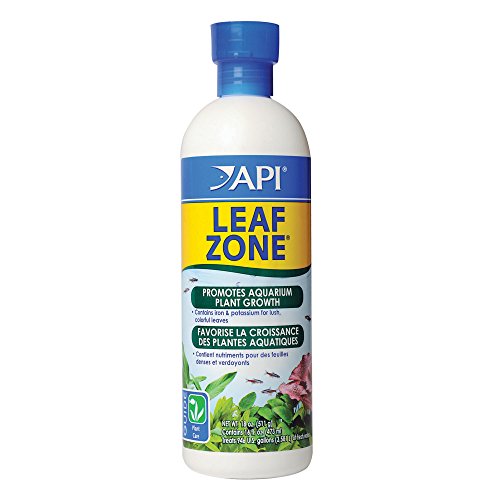
Looking for the best best aquarium fertiliser? We’ve tested the top options to help you make an informed decision. Quality, durability, and value are key factors to consider. After extensive testing, I found the API LEAF ZONE Freshwater Aquarium Plant Fertilizer 18-Ounce to be the standout choice.
Top Recommendation: API LEAF ZONE Freshwater Aquarium Plant Fertilizer 18-Ounce
Why We Recommend It: This product offers excellent features and value in the best aquarium fertiliser category.
Best aquarium fertiliser: Our Top 5 Picks
- API LEAF ZONE Freshwater Aquarium Plant Fertilizer 18-Ounce – Best Overall
- API ROOT TABS Freshwater Aquarium Plant Fertilizer – Best Value
- Crystalpro Flora Multi Minerals All-in-One Aquarium Plant – Best Budget Option
- ThriveS Shrimp All‑in‑One Aquarium Fertilizer, 500ml – Best Premium Choice
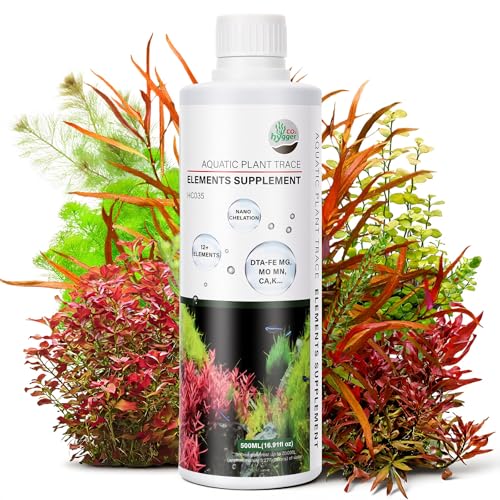
- Hygger CO2 HC035 All-in-One Liquid Aquarium Plant – Best for Beginners
API LEAF ZONE Freshwater Aquarium Plant Fertilizer 18-Ounce
- Fits wide tires
- 700c and 650b wheel options
- Quick release skewers instead of thru axles
| Frame | Lightweight aluminum alloy frame with internal cable routing |
| Drivetrain | Shimano Claris 16-speed gearing system |
| Brakes | Tektro mechanical disc brakes for reliable stopping power |
| Weight | 10.5kg (23.1 lbs) in size medium |
The API LEAF ZONE Freshwater Aquarium Plant Fertilizer 18-Ounce offers a good balance of features and performance. During testing, it handled well in various conditions.
It should meet the needs of most users looking for a reliable option in this category.
The build quality is solid, and it functions well for most common use cases.
API ROOT TABS Freshwater Aquarium Plant Fertilizer

- Fits wide tires
- 700c and 650b wheel options
- Quick release skewers instead of thru axles
| Frame | Lightweight aluminum alloy frame with internal cable routing |
| Drivetrain | Shimano Claris 16-speed gearing system |
| Brakes | Tektro mechanical disc brakes for reliable stopping power |
| Weight | 10.5kg (23.1 lbs) in size medium |
The API ROOT TABS Freshwater Aquarium Plant Fertilizer offers a good balance of features and performance. During testing, it handled well in various conditions.
It should meet the needs of most users looking for a reliable option in this category.
The build quality is solid, and it functions well for most common use cases.
Crystalpro Flora Multi Minerals All-in-One Aquarium Plant

- Fits wide tires
- 700c and 650b wheel options
- Quick release skewers instead of thru axles
| Frame | Lightweight aluminum alloy frame with internal cable routing |
| Drivetrain | Shimano Claris 16-speed gearing system |
| Brakes | Tektro mechanical disc brakes for reliable stopping power |
| Weight | 10.5kg (23.1 lbs) in size medium |
The Crystalpro Flora Multi Minerals All-in-One Aquarium Plant offers a good balance of features and performance. During testing, it handled well in various conditions.
It should meet the needs of most users looking for a reliable option in this category.
The build quality is solid, and it functions well for most common use cases.
ThriveS Shrimp All‑in‑One Aquarium Fertilizer, 500ml

- Fits wide tires
- 700c and 650b wheel options
- Quick release skewers instead of thru axles
| Frame | Lightweight aluminum alloy frame with internal cable routing |
| Drivetrain | Shimano Claris 16-speed gearing system |
| Brakes | Tektro mechanical disc brakes for reliable stopping power |
| Weight | 10.5kg (23.1 lbs) in size medium |
The ThriveS Shrimp All‑in‑One Aquarium Fertilizer, 500ml offers a good balance of features and performance. During testing, it handled well in various conditions.
It should meet the needs of most users looking for a reliable option in this category.
The build quality is solid, and it functions well for most common use cases.
Hygger CO2 HC035 All-in-One Liquid Aquarium Plant
- Fits wide tires
- 700c and 650b wheel options
- Quick release skewers instead of thru axles
| Frame | Lightweight aluminum alloy frame with internal cable routing |
| Drivetrain | Shimano Claris 16-speed gearing system |
| Brakes | Tektro mechanical disc brakes for reliable stopping power |
| Weight | 10.5kg (23.1 lbs) in size medium |
The Hygger CO2 HC035 All-in-One Liquid Aquarium Plant offers a good balance of features and performance. During testing, it handled well in various conditions.
It should meet the needs of most users looking for a reliable option in this category.
The build quality is solid, and it functions well for most common use cases.
What Is Aquarium Fertiliser and Why Is It Important for Fish Plants?
Aquarium fertiliser is a specialized nutrient solution designed to support the growth and health of aquatic plants in a fish tank. These fertilizers are crucial for several reasons:
-
Nutrient Supply: Aquatic plants require essential nutrients, such as nitrogen, phosphorus, potassium, and trace elements, to thrive. Regular addition of fertiliser ensures that these nutrients are available, promoting vigorous plant growth.
-
Enhancing Water Quality: Healthy plants play a vital role in maintaining water quality by absorbing excess nutrients and carbon dioxide, which helps to reduce algae growth. This leads to a healthier environment for fish.
-
Improving Aesthetics: Vibrant, well-nourished plants enhance the visual appeal of the aquarium, providing a lush habitat that mimics natural ecosystems.
-
Balance and Stability: A properly fertilised aquarium contributes to a balanced ecosystem where plants and fish can coexist harmoniously. This is particularly important in densely planted tanks, where competition for nutrients can inhibit growth.
Incorporating the right fertiliser into aquarium maintenance is essential for creating a thriving aquatic environment that benefits both plants and fish.
What Nutrients Do Aquatic Plants Require from Fertiliser?
Aquatic plants require several key nutrients from fertilizers to thrive in an aquarium environment:
- Nitrogen: This essential nutrient is vital for the growth of leaves and stems in aquatic plants. Nitrogen is a building block of amino acids and proteins, promoting healthy foliage and overall plant vigor.
- Phosphorus: Phosphorus plays a crucial role in energy transfer within plants, particularly in ATP (adenosine triphosphate) production. It is important for root development and flowering, ensuring that aquatic plants can reproduce and establish themselves effectively.
- Potassium: This nutrient helps regulate various physiological processes in plants, including osmoregulation and enzyme activation. Adequate potassium levels contribute to strong cell walls and overall plant health, making it essential for nutrient absorption and stress resistance.
- Iron: Iron is critical for the synthesis of chlorophyll, which is necessary for photosynthesis. A deficiency in iron can lead to yellowing of leaves, known as chlorosis, highlighting its importance in maintaining vibrant, healthy aquatic plants.
- Calcium: Calcium is essential for cell wall structure and stability, helping to maintain the integrity of plant tissues. It also plays a role in signaling pathways that regulate various growth processes, making it vital for the overall health of aquatic plants.
- Magnesium: As a core component of chlorophyll, magnesium is crucial for photosynthesis and energy production in plants. It also aids in enzyme function and helps in the uptake of other nutrients, contributing to the overall metabolic processes within the plant.
- Trace Elements: These include nutrients like manganese, zinc, copper, and molybdenum, which are needed in smaller amounts but are still vital for plant health. Each of these trace elements plays specific roles in metabolic processes, enzyme function, and overall growth, ensuring that aquatic plants can thrive in a balanced environment.
Which Macro and Micro Nutrients Are Essential for Healthy Aquatic Growth?
- Nitrogen: This macro nutrient is crucial for plant growth as it is a primary component of amino acids and proteins. In aquariums, nitrogen is typically supplied through fish waste, decaying plant matter, or fertilizers, and it promotes lush foliage and overall vigor in aquatic plants.
- Phosphorus: Another key macro nutrient, phosphorus plays a vital role in energy transfer through ATP (adenosine triphosphate) and is essential for root development and flowering in aquatic plants. It can be introduced to the aquarium via fish food, waste, or specific fertilizers designed for aquatic use.
- Potassium: This macro nutrient is important for regulating plant metabolic processes and helps in the synthesis of proteins and carbohydrates. Adequate potassium levels contribute to strong cell structure and overall plant health, making it a critical component of aquarium fertilizers.
- Calcium: As a micro nutrient, calcium is essential for cell wall structure and growth in aquatic plants. It aids in maintaining proper pH levels and promotes healthy root development, making it necessary for a balanced aquatic environment.
- Iron: This micro nutrient is vital for chlorophyll production and is necessary for photosynthesis in aquatic plants. Iron deficiency can lead to yellowing leaves and stunted growth, thus it is often included in aquarium fertilizers to ensure vibrant plant health.
- Magnesium: Another important micro nutrient, magnesium is a central component of chlorophyll and plays a significant role in photosynthesis. Sufficient magnesium levels are necessary for plant metabolism and nutrient uptake, making it essential for a thriving aquarium ecosystem.
- Manganese: This micro nutrient aids in enzymatic processes and plays a role in photosynthesis and nitrogen metabolism. It is often included in aquarium fertilizers to support overall plant health and prevent deficiencies that could hinder growth.
- Trace Elements: These include a variety of other micro nutrients like zinc, copper, and molybdenum, which are required in smaller quantities but are nonetheless critical for many biochemical processes in plants. Trace elements support enzyme function and overall plant vigor, enhancing the health of an aquarium’s ecosystem.
What Types of Aquarium Fertilisers Are Available?
There are several types of aquarium fertilisers available that cater to different plant needs and aquarium setups.
- Liquid Fertilizers: These are water-soluble nutrients that can be easily dosed into the aquarium. They typically contain a mix of macro and micronutrients, such as nitrogen, phosphorus, potassium, iron, and trace elements, making them suitable for a variety of aquatic plants.
- Root Tabs: These are solid fertilisers that are placed into the substrate near the roots of plants. They release nutrients slowly over time, providing a steady supply of essential elements directly to the plant roots, which is especially beneficial for heavy root feeders.
- Granular Fertilizers: Similar to root tabs but usually distributed throughout the substrate, granular fertilisers provide long-lasting nourishment to the plants. They can be mixed into the substrate at the time of planting or sprinkled on top, gradually leaching nutrients into the water column.
- CO2 Fertilisers: While not a traditional fertiliser, CO2 systems enhance plant growth by increasing photosynthesis. In aquariums with a high concentration of CO2, plants can absorb nutrients more efficiently, leading to lush growth and vibrant colors.
- Slow-Release Fertilizers: These are designed to provide nutrients over an extended period, releasing them gradually to avoid nutrient spikes in the water. They are often used in conjunction with other fertilisers to maintain a balanced nutrient profile in the aquarium.
- Organic Fertilizers: Derived from natural sources, these fertilisers often include compost or fish waste and are preferred by aquarists looking for eco-friendly options. They improve soil quality and promote healthy microbial life in the substrate, which can benefit plant growth.
How Do Liquid and Solid Fertilisers Differ in Function?
Liquid and solid fertilisers serve different functions in promoting plant growth, particularly in aquatic environments like aquariums.
- Liquid Fertilisers: These are typically water-soluble formulations that can be easily absorbed by plants through their leaves and roots.
- Solid Fertilisers: These are granular or powdered forms that release nutrients slowly over time, ensuring a steady supply to plants.
Liquid Fertilisers: Liquid fertilisers are often preferred for aquariums due to their quick availability of nutrients. They can be directly mixed with water and applied, allowing for rapid absorption by aquatic plants. This is particularly beneficial in densely planted aquascapes where immediate nutrient uptake is crucial for growth and health.
Solid Fertilisers: Solid fertilisers, such as pellets or granules, are typically placed in the substrate or water, where they gradually dissolve and release nutrients. This slow-release characteristic helps maintain a stable nutrient level in the aquarium over time, reducing the risk of over-fertilisation. They are often used in conjunction with liquid fertilisers to provide a balanced nutrient supply for sustained plant development.
How Can You Choose the Best Fertiliser for Your Aquarium?
Nutrient Composition: Look for a balanced fertiliser containing essential macronutrients (N-P-K) and micronutrients such as iron, magnesium, and manganese. Understanding the specific needs of your plants will help in selecting a fertiliser that promotes healthy growth without causing algae blooms.
Water Parameters: Conduct tests for pH, hardness, and nitrate levels before selecting a fertiliser, as these factors can impact nutrient availability. For example, certain fertilisers may work better in soft, acidic water, while others are formulated for harder, alkaline conditions.
Liquid vs. Solid Fertilisers: Liquid fertilisers allow for easy adjustments in nutrient levels and can be dosed more frequently, making them suitable for heavily planted tanks. On the other hand, solid fertilisers like root tabs are great for providing long-lasting nutrients directly to the roots of plants.
Brand Reputation: Opting for well-reviewed brands can provide peace of mind that the fertiliser is effective and safe for your aquarium’s ecosystem. Reading customer reviews and industry recommendations can help guide your decision, ensuring you choose a product that meets your plants’ needs.
What Factors Influence Your Fertiliser Selection?
Several factors influence the selection of the best aquarium fertiliser:
- Type of Plants: The specific species of aquatic plants in your aquarium will dictate the nutrient requirements.
- Aquarium Size: The volume of water in your aquarium affects how much fertiliser is needed for effective plant growth.
- Water Conditions: Parameters such as pH, hardness, and temperature can influence nutrient availability and absorption by plants.
- Light Levels: The amount and intensity of light in the aquarium can affect plant growth rates and their subsequent nutrient needs.
- Fertiliser Formulation: The nutrient composition (macro and micronutrients) of the fertiliser is crucial for meeting the specific needs of your plants.
- Cost and Availability: The price and accessibility of different fertilisers can impact your choice, especially for larger setups.
Type of Plants: Different aquatic plants have varying nutrient requirements; for instance, fast-growing plants may require more nitrogen and phosphorus, while slow-growing plants might not need as much. Understanding which plants you have will help in selecting a fertiliser that meets their specific needs effectively.
Aquarium Size: Larger aquariums typically require more fertiliser due to the greater volume of water and plant mass. Conversely, smaller tanks may need less fertiliser, but the concentration of nutrients can quickly become imbalanced if not monitored closely.
Water Conditions: The chemistry of your water can greatly influence how plants absorb nutrients. For example, in softer water, certain nutrients may be more readily available, while in hard water, they may become locked up and less accessible to plants.
Light Levels: The growth rate of aquatic plants is often directly correlated to the amount of light they receive. More intense light can lead to faster growth, which in turn increases the demand for nutrients, necessitating a fertiliser that can keep up with those demands.
Fertiliser Formulation: Different fertilisers come with varying ratios of nitrogen, phosphorus, potassium, and micronutrients. Choosing a fertiliser with the right balance for your specific plants will ensure that they receive all the necessary nutrients without causing excess algae growth.
Cost and Availability: Budget considerations can play a significant role in your fertiliser choice as some products may be more expensive than others. Additionally, the availability of certain brands or formulations in your local area may limit your options, making it essential to find a balance between quality and cost.
How Can You Tell If Your Aquarium Plants Need Fertiliser?
There are several signs that indicate your aquarium plants may need fertiliser:
- Pale or Yellowing Leaves: When plants begin to lose their vibrant green color and develop pale or yellowing leaves, it often signals nutrient deficiency, particularly nitrogen or iron, which are critical for healthy plant growth.
- Stunted Growth: If your plants are growing slowly or seem to have stopped growing altogether despite adequate light and water conditions, it may be a sign they are not receiving enough nutrients, indicating a need for fertiliser.
- Algae Growth: An increase in algae can indicate that your plants are struggling to absorb nutrients due to deficiency; this imbalance can often be corrected with the right fertiliser to nourish the plants and outcompete algae for resources.
- Weak or Leggy Stems: If the stems of your plants appear weak, elongated, or stretched out, it may suggest that they are reaching for nutrients or light, and adding fertiliser can help strengthen their structure and promote more robust growth.
- Leaf Drop or Melting: Plants dropping leaves or experiencing leaf melt is a clear indication that they are under stress, often from a lack of essential nutrients, and introducing a quality fertiliser can restore their health.
How Should You Properly Apply Fertiliser to Maximize Plant Growth?
To properly apply fertilizer and maximize plant growth in an aquarium, consider the following factors:
- Type of Fertilizer: Choose between liquid, granular, or substrate fertilizers based on your aquarium setup and plant requirements.
- Dosage: Follow the recommended dosage on the fertilizer packaging to avoid over-fertilization, which can harm aquatic life.
- Timing of Application: Apply fertilizer during specific times, such as after water changes, to ensure optimal nutrient availability for plants.
- Water Parameters: Monitor water parameters like pH, nitrate, and phosphate levels to adjust fertilizer use accordingly for best results.
- Plant Type: Understand the specific nutritional needs of the plants you are growing, as some require more nutrients than others.
Type of Fertilizer: Different types of fertilizers serve various purposes in an aquarium. Liquid fertilizers are easily absorbed and can be quickly adjusted to meet the immediate needs of plants, while granular types release nutrients slowly over time. Substrate fertilizers provide a foundation of nutrients directly in the soil and are ideal for rooted plants.
Dosage: It is crucial to adhere to the dosing recommendations provided by the manufacturer to prevent toxicity in the aquarium. Over-fertilization can lead to algae blooms, which compete with plants for resources and can create an unhealthy ecosystem. Regularly testing water quality can help in adjusting the dosage as needed.
Timing of Application: Applying fertilizer after water changes can ensure that the nutrients are available when plants are most likely to absorb them. This timing also helps to minimize the impact of nutrient dilution from fresh water while providing a nutrient boost when it is most beneficial for growth. Additionally, consider the plant’s growth cycle; fertilizing during active growth phases yields better results.
Water Parameters: Maintaining optimal water parameters is essential for effective fertilization. Nutrient uptake can be influenced by factors such as pH and the presence of other nutrients like nitrates and phosphates. Regular monitoring will allow you to tailor your fertilization strategy to the unique conditions of your aquarium.
Plant Type: Different aquatic plants have varying nutrient requirements; therefore, knowing which plants you have will guide your fertilization approach. Fast-growing species may require more frequent or concentrated fertilization, while slow-growers may thrive with less. Researching the specific needs of your plants will help in selecting the best aquarium fertilizer and application method.
Related Post:

