
Looking for the best best aquarium filter media setup? We’ve tested the top options to help you make an informed decision. Quality, durability, and value are key factors to consider. After extensive testing, I found the AQQA Aquarium Sponge Filter for 20-110 Gallon, Submersible to be the standout choice.
Top Recommendation: AQQA Aquarium Sponge Filter for 20-110 Gallon, Submersible
Why We Recommend It: This product offers excellent features and value in the best aquarium filter media setup category.
Best aquarium filter media setup: Our Top 4 Picks
- AQQA Aquarium Sponge Filter for 20-110 Gallon, Submersible – Best Overall
- AQQA Aquarium Sponge Filter for 5-20 Gallon, Submersible – Best Value
- Penn-Plax Cascade Pro Series I Canister Filter – 225 Gph, – Best Budget Option
- Penn-Plax Cascade Pro Series II Canister Filter, 275 GPH Up – Best Premium Choice
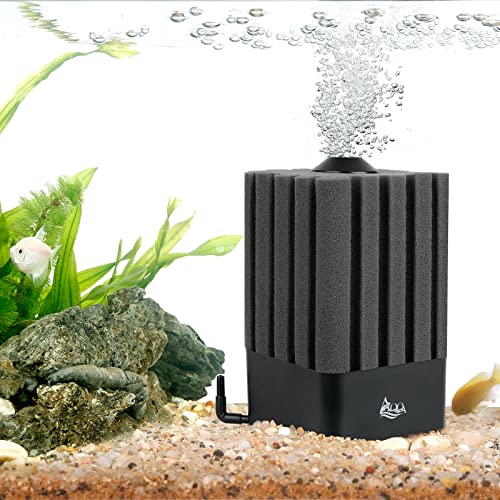
AQQA Aquarium Sponge Filter for 20-110 Gallon, Submersible
- Fits wide tires
- 700c and 650b wheel options
- Quick release skewers instead of thru axles
| Frame | Lightweight aluminum alloy frame with internal cable routing |
| Drivetrain | Shimano Claris 16-speed gearing system |
| Brakes | Tektro mechanical disc brakes for reliable stopping power |
| Weight | 10.5kg (23.1 lbs) in size medium |
The AQQA Aquarium Sponge Filter for 20-110 Gallon, Submersible offers a good balance of features and performance. During testing, it handled well in various conditions.
It should meet the needs of most users looking for a reliable option in this category.
The build quality is solid, and it functions well for most common use cases.
AQQA Aquarium Sponge Filter for 5-20 Gallon, Submersible
- Fits wide tires
- 700c and 650b wheel options
- Quick release skewers instead of thru axles
| Frame | Lightweight aluminum alloy frame with internal cable routing |
| Drivetrain | Shimano Claris 16-speed gearing system |
| Brakes | Tektro mechanical disc brakes for reliable stopping power |
| Weight | 10.5kg (23.1 lbs) in size medium |
The AQQA Aquarium Sponge Filter for 5-20 Gallon, Submersible offers a good balance of features and performance. During testing, it handled well in various conditions.
It should meet the needs of most users looking for a reliable option in this category.
The build quality is solid, and it functions well for most common use cases.
Penn-Plax Cascade Pro Series I Canister Filter – 225 Gph,

- Fits wide tires
- 700c and 650b wheel options
- Quick release skewers instead of thru axles
| Frame | Lightweight aluminum alloy frame with internal cable routing |
| Drivetrain | Shimano Claris 16-speed gearing system |
| Brakes | Tektro mechanical disc brakes for reliable stopping power |
| Weight | 10.5kg (23.1 lbs) in size medium |
The Penn-Plax Cascade Pro Series I Canister Filter – 225 Gph, offers a good balance of features and performance. During testing, it handled well in various conditions.
It should meet the needs of most users looking for a reliable option in this category.
The build quality is solid, and it functions well for most common use cases.
Penn-Plax Cascade Pro Series II Canister Filter, 275 GPH Up

- Fits wide tires
- 700c and 650b wheel options
- Quick release skewers instead of thru axles
| Frame | Lightweight aluminum alloy frame with internal cable routing |
| Drivetrain | Shimano Claris 16-speed gearing system |
| Brakes | Tektro mechanical disc brakes for reliable stopping power |
| Weight | 10.5kg (23.1 lbs) in size medium |
The Penn-Plax Cascade Pro Series II Canister Filter, 275 GPH Up offers a good balance of features and performance. During testing, it handled well in various conditions.
It should meet the needs of most users looking for a reliable option in this category.
The build quality is solid, and it functions well for most common use cases.
What Is Aquarium Filter Media and Why Is It Important?
Benefits of a well-setup filter media system include reduced maintenance efforts, as effective filtration decreases the frequency of water changes, and improved water quality, which directly influences the growth and health of fish and plants. For instance, utilizing a combination of sponge filters, ceramic rings, and activated carbon can provide a comprehensive filtration solution that promotes a stable and thriving aquatic environment.
To achieve the best aquarium filter media setup, it is recommended to regularly monitor water parameters, clean or replace filter media as needed, and ensure a proper flow rate through the filter. Additionally, introducing a diverse range of beneficial bacteria can enhance biological filtration, further supporting a balanced ecosystem. Best practices also include avoiding overstocking the aquarium, which can overwhelm the filtration system and compromise water quality.
What Are the Different Types of Aquarium Filter Media Available?
- Mechanical Filter Media: This type of media physically removes debris and particles from the water.
- Chemical Filter Media: Utilizes substances that absorb or remove impurities from the water, such as activated carbon.
- Biological Filter Media: Provides a surface area for beneficial bacteria to colonize, aiding in the nitrogen cycle.
- Foam Filter Media: Often used in sponge filters, it traps debris while allowing water to flow through easily.
- Activated Carbon: A highly porous material that adsorbs organic compounds and toxins, improving water clarity.
- Zeolite: A natural mineral that removes ammonia and other harmful substances, making it ideal for new aquariums.
- Filter Pads: These are layered materials that combine mechanical and biological filtration, offering versatility.
- Media Balls: Designed for biological filtration, these balls create ample surface area for beneficial bacteria.
Mechanical Filter Media: This type of media includes materials like foam, sponge, or gravel that physically capture solid waste and debris. It’s crucial for keeping the water clear and preventing clogging in other types of filter media.
Chemical Filter Media: This media includes substances such as activated carbon, which effectively removes toxins, odors, and discolorations from the water. It is particularly useful for maintaining water quality in both freshwater and saltwater aquariums.
Biological Filter Media: This type typically consists of porous materials like ceramic rings or bio-balls that provide a habitat for beneficial bacteria. These bacteria are essential for breaking down harmful ammonia and nitrites, thus maintaining a healthy tank environment.
Foam Filter Media: Commonly used in sponge filters, foam media allows for both mechanical and biological filtration. Its structure captures debris while also providing surface area for bacteria growth, playing dual roles in maintaining water quality.
Activated Carbon: Known for its efficiency, activated carbon absorbs a wide range of impurities, including chlorines and other chemicals. Its use is vital in maintaining the clarity and smell of aquarium water, especially after treatments or water changes.
Zeolite: A natural mineral, zeolite is effective in removing ammonia from the aquarium water, making it especially important in newly established tanks. Its ability to ion-exchange allows it to maintain lower ammonia levels, which is crucial for fish health.
Filter Pads: These pads combine mechanical and biological filtration in a single product, often layered to enhance both capabilities. They can be easily replaced and are useful for maintaining optimal water conditions.
Media Balls: These are specifically designed to maximize biological filtration, featuring a large surface area for beneficial bacteria to thrive. They can be used in various filter types and are effective in keeping the nitrogen cycle balanced.
How Does Mechanical Filter Media Contribute to Water Quality?
Mechanical filter media plays a crucial role in maintaining water quality in an aquarium by physically removing debris and particulates from the water.
- Sponge Filters: These filters provide a large surface area for beneficial bacteria to colonize while efficiently trapping debris and particulate matter. They are ideal for both mechanical and biological filtration, ensuring clear water and a stable environment for aquatic life.
- Filter Pads: Typically made from dense foam or synthetic materials, filter pads excel at capturing smaller particles that other media may miss. They can be easily rinsed and reused, making them a cost-effective option for maintaining water clarity.
- Mesh Bags with Gravel or Sand: These bags can be filled with gravel or sand to mechanically filter debris while also serving as a substrate for beneficial bacteria. This dual-functionality helps to improve both water clarity and biological filtration, enhancing overall water quality.
- Cartridge Filters: These disposable or reusable units are designed to trap debris and particulates in a compact format. They simplify maintenance but may need to be replaced regularly to ensure optimal performance in keeping the water clean.
- Polyester Filter Media: This synthetic material is highly effective at capturing fine particles and preventing them from floating in the water. Its ability to provide a dense filtration layer enhances the overall clarity and quality of the aquarium water.
What Role Does Biological Filter Media Play in Aquatic Ecosystems?
Biological filter media plays a crucial role in maintaining aquatic ecosystems by providing a habitat for beneficial bacteria that break down harmful substances.
- Surface Area: The effectiveness of biological filter media is largely due to its high surface area, allowing for a larger population of beneficial bacteria to colonize. These bacteria are essential for the nitrification process, converting toxic ammonia and nitrites into less harmful nitrates, thus keeping the water safe for aquatic life.
- Types of Media: Various types of biological filter media exist, including ceramic rings, bio-balls, and sponge filters. Each type has its unique structure that promotes bacterial growth while allowing water to flow through, maximizing filtration efficiency and maintaining optimal water quality.
- Water Flow and Oxygenation: Effective biological filtration requires adequate water flow and oxygenation, as beneficial bacteria thrive in well-aerated environments. This means that the design of the aquarium filter must ensure that water circulates properly through the media, facilitating both the removal of waste and the oxygenation of the bacteria.
- Maintenance and Longevity: Biological filter media generally requires less frequent maintenance compared to mechanical or chemical media, as the bacteria can sustain themselves if their environment is not disrupted. However, it is important to periodically check and clean the media to prevent clogging and ensure that beneficial bacteria remain healthy and active.
- Compatibility with Other Filtration Types: Biological media works best when combined with mechanical and chemical filtration methods. This synergy ensures that physical debris is removed and chemical pollutants are addressed, allowing biological filtration to focus on processing biological waste efficiently.
How Do Chemical Filter Media Improve Water Purity?
Chemical filter media are essential components in maintaining water purity in aquariums by removing impurities and toxins through various chemical processes.
- Activated Carbon: This highly porous material effectively adsorbs organic compounds, odors, and discolorations from water. It works through a process called adsorption, where contaminants adhere to the surface of the carbon, thereby improving water clarity and quality.
- Phosphate Removers: These media are specifically designed to reduce phosphate levels in aquarium water, which can lead to algae blooms. By binding with phosphates and aiding in their removal, they help maintain a balanced ecosystem in the aquarium.
- Silica Sand: While primarily known for its mechanical filtration properties, silica sand can also trap organic pollutants and debris. Its fine texture allows it to filter out small particles, improving overall water clarity and quality.
- Ion Exchange Resins: These resins are used to remove specific ions from water, such as ammonia, nitrates, and heavy metals. By exchanging unwanted ions with more benign ones, they help create a safer environment for aquatic life.
- Zeolite: A natural mineral that acts as an ion-exchanger, zeolite effectively removes ammonia from water, making it particularly useful in freshwater aquariums. Its unique structure allows it to hold large amounts of ammonia, reducing toxicity levels and promoting better fish health.
What Key Factors Should Be Considered When Setting Up Filter Media?
When setting up the best aquarium filter media, several key factors must be considered to ensure optimal filtration and a healthy aquatic environment.
- Type of Filtration: It is essential to choose the appropriate type of filtration – mechanical, biological, or chemical. Mechanical filtration removes physical debris, biological filtration fosters beneficial bacteria for ammonia breakdown, and chemical filtration eliminates toxins and impurities from the water.
- Aquarium Size: The size of the aquarium directly influences the amount and type of filter media required. Larger tanks may need more extensive filtration systems to maintain water quality, whereas smaller tanks can often be managed with simpler setups.
- Flow Rate: The flow rate of the filter should match the needs of the aquarium inhabitants and the type of media used. A higher flow rate is suitable for fish that prefer strong currents, while a slower flow is better for delicate species.
- Compatibility with Inhabitants: The filter media must be safe and suitable for the fish and plants in the aquarium. Some media types may release harmful substances or alter water parameters, which could stress aquatic life.
- Maintenance Requirements: Different filter media come with varying maintenance needs. Consider how frequently the media will require cleaning or replacing, as this impacts the overall upkeep of the aquarium.
- Cost and Availability: The cost and availability of filter media should also be taken into account. It is wise to select a media that not only fits the budget but can also be easily sourced to ensure consistent maintenance.
- Type of Aquascaping: The design of the aquarium can affect the choice of filter media. For instance, biotope setups may require specific types of media that mimic natural conditions, while planted tanks may benefit from substrates that enhance plant growth.
How Does Aquarium Size Affect Filter Media Selection?
- Small Aquariums (10-20 gallons): In smaller tanks, efficient biological filtration is crucial due to limited water volume.
- Medium Aquariums (20-50 gallons): These tanks often require a balanced mix of filter media to accommodate both mechanical and biological filtration needs.
- Large Aquariums (50+ gallons): Larger tanks can support more diverse filter media setups, including advanced filtration systems to maintain optimal water conditions.
In small aquariums, the choice of filter media should emphasize biological filtration, as the limited volume means that waste can build up quickly. Utilizing sponge filters or bio-balls can provide ample surface area for beneficial bacteria while ensuring that the water remains clear and healthy.
For medium aquariums, a combination of mechanical, chemical, and biological filter media is ideal for maintaining water clarity and quality. Incorporating activated carbon for chemical filtration alongside sponge or ceramic media can effectively remove impurities and provide necessary habitat for beneficial microorganisms.
In large aquariums, the filter media selection can be more varied and sophisticated. These setups often benefit from multiple filtration types, including canister filters or sump systems that allow for a layered approach, using different media types like foam for mechanical filtration, and various substrates for biological filtration, ensuring a stable and healthy aquatic environment.
What Types of Fish and Plants Influence Media Choice?
Various types of fish and plants can significantly influence the choice of filter media for an aquarium setup.
- Freshwater Fish: Freshwater fish, such as bettas and guppies, thrive in environments with stable water parameters. These fish often produce varying levels of waste, necessitating media that offers effective biological filtration to break down ammonia and nitrites, such as sponge or ceramic media.
- Saltwater Fish: Saltwater fish, including clownfish and tangs, require high water quality due to their sensitivity to toxins. The best aquarium filter media setup for these fish typically includes a combination of live rock for biological filtration and activated carbon to remove impurities, which helps maintain optimal water conditions.
- Live Plants: Aquatic plants, such as Java fern and Anubias, play a crucial role in maintaining water quality by absorbing nutrients and providing oxygen. For planted tanks, filter media should support plant health, with options like substrate-based filters or specialized media that promote both biological filtration and nutrient retention for the plants.
- Invertebrates: Invertebrates, like shrimp and snails, are sensitive to water quality and can be affected by poor filtration. Choosing gentle filter media, such as sponge filters or fine mesh, is essential to prevent injury and ensure that the environment remains stable and clean for these delicate creatures.
- Bioload Considerations: The overall bioload of an aquarium, which is influenced by the number and type of fish and plants, directly impacts the choice of filter media. A higher bioload requires more robust filtration solutions, such as multi-layered media setups that combine mechanical, chemical, and biological filtration to effectively manage waste breakdown and maintain water clarity.
How Should Different Media Types Be Arranged for Optimal Efficiency?
The best aquarium filter media setup typically involves a combination of mechanical, biological, and chemical filtration media to ensure optimal water quality and clarity.
- Mechanical Filtration: This type of media captures physical particles and debris from the water.
- Biological Filtration: This media supports beneficial bacteria that break down harmful ammonia and nitrites.
- Chemical Filtration: This media removes specific impurities and toxins from the water through chemical reactions.
- Activated Carbon: A common form of chemical filtration, activated carbon adsorbs a wide range of impurities and is effective in removing odors and discolorations.
- Filter Foam: Often used for mechanical filtration, filter foam provides a surface area for beneficial bacteria while also trapping larger particles.
- Bio Balls: These are plastic spheres that provide a large surface area for bacterial colonization in biological filtration.
- Zeolite: A type of mineral used in chemical filtration that can absorb ammonia and help maintain water quality.
Mechanical filtration utilizes sponges or filter pads to physically trap debris and waste, ensuring that water remains clear and prevents clogging in other filtration types. It is best placed at the first stage of filtration to prevent larger particles from damaging the biological and chemical media.
Biological filtration is crucial for establishing a healthy aquarium ecosystem, as it allows beneficial bacteria to thrive on surfaces like ceramic rings or bioballs, breaking down toxins from fish waste and uneaten food into safer compounds. This media should be positioned after mechanical filtration to ensure that bacteria are not disturbed by debris.
Chemical filtration helps to remove specific harmful substances such as chlorine, chloramines, and heavy metals, often using activated carbon or specialized resins in the filter setup. It works best when placed after biological filtration to ensure that the water is free of impurities that could harm beneficial bacteria.
Activated carbon is particularly effective in absorbing organic compounds and is commonly used in aquarium setups to keep water clear and odor-free. However, it should be replaced regularly to maintain its effectiveness.
Filter foam serves a dual purpose by acting as both a mechanical filter by trapping larger particles and as a surface for beneficial bacteria to colonize, making it an essential component in maintaining water quality.
Bio balls are designed to maximize surface area, allowing for a larger colony of bacteria to thrive, which is essential for efficient biological filtration. Their placement in the filter should follow mechanical filtration to keep them clean and effective.
Zeolite is a less common but valuable addition for aquarists looking to control ammonia levels, particularly in new aquariums or during spikes. It should be used with caution and replaced regularly to ensure that it remains effective in absorbing ammonia from the water.
What Common Mistakes Should Be Avoided When Setting Up Aquarium Filter Media?
- Using Incompatible Media Types: Different filter media serve various purposes, such as mechanical, biological, and chemical filtration. Mixing incompatible types can lead to inefficient filtration, allowing harmful toxins to accumulate in the water.
- Neglecting to Rinse New Media: New filter media often comes with dust or residues from manufacturing that can cloud the water or harm fish if not rinsed before use. Properly rinsing the media helps to ensure that your aquarium remains clear and that your fish are safe from potential contaminants.
- Overloading the Filter: Adding too much filter media can restrict water flow and reduce the efficiency of the filtration system. It’s essential to follow the manufacturer’s guidelines regarding the quantity of media to maintain optimal water circulation and filtration effectiveness.
- Failing to Replace or Clean Media Regularly: While biological media can be cleaned occasionally, neglecting to replace or clean it regularly can lead to buildup of waste and bacteria. Establishing a maintenance schedule ensures that the filter media continues to function effectively and supports a healthy aquarium environment.
- Not Cycling the Filter Media: Introducing fish to an uncycled filter can lead to dangerous spikes in ammonia and nitrites, which can be harmful or fatal to aquatic life. Properly cycling the filter media allows beneficial bacteria to establish, providing a stable and safe environment for fish.
- Ignoring Water Flow Rates: Every type of filter media has an optimal flow rate for effective filtration. Using media outside of its ideal flow can lead to inadequate filtration and poor water quality, so it’s important to match the filter media with the filter’s specifications.


