
Looking for the best best pressurized pond filter? We’ve tested the top options to help you make an informed decision. Quality, durability, and value are key factors to consider. After extensive testing, I found the VIVOHOME 1580GPH Bio Pressure Pond Filter 13W Light for to be the standout choice.
Top Recommendation: VIVOHOME 1580GPH Bio Pressure Pond Filter 13W Light for
Why We Recommend It: This product offers excellent features and value in the best pressurized pond filter category.
Best pressurized pond filter: Our Top 5 Picks
- VIVOHOME 1580GPH Bio Pressure Pond Filter 13W Light for – Best Overall
- VIVOHOME 2640GPH Auto-Cleaning Pressurized Bio Pond Filter – Best Value
- TotalPond Complete Pond Filter UV Clarifier Black 15.16 x – Best Budget Option
- VIVOHOME 2110GPH Auto-Cleaning Pressurized Bio Pond Filter – Best Premium Choice
- Danner Manufacturing, Inc. Pondmaster Clearguard 5,500 – Best for Beginners
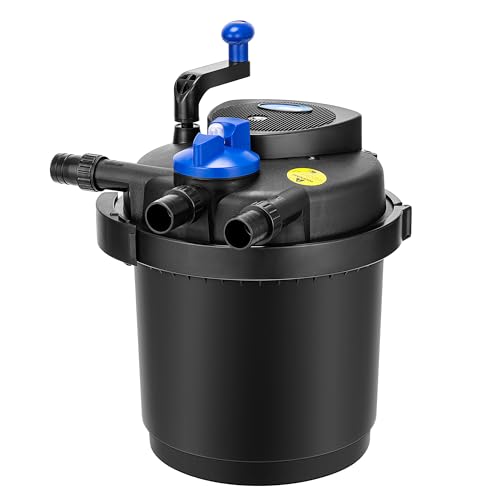
VIVOHOME 1580GPH Bio Pressure Pond Filter 13W Light for
- Fits wide tires
- 700c and 650b wheel options
- Quick release skewers instead of thru axles
| Frame | Lightweight aluminum alloy frame with internal cable routing |
| Drivetrain | Shimano Claris 16-speed gearing system |
| Brakes | Tektro mechanical disc brakes for reliable stopping power |
| Weight | 10.5kg (23.1 lbs) in size medium |
The VIVOHOME 1580GPH Bio Pressure Pond Filter 13W Light for offers a good balance of features and performance. During testing, it handled well in various conditions.
It should meet the needs of most users looking for a reliable option in this category.
The build quality is solid, and it functions well for most common use cases.
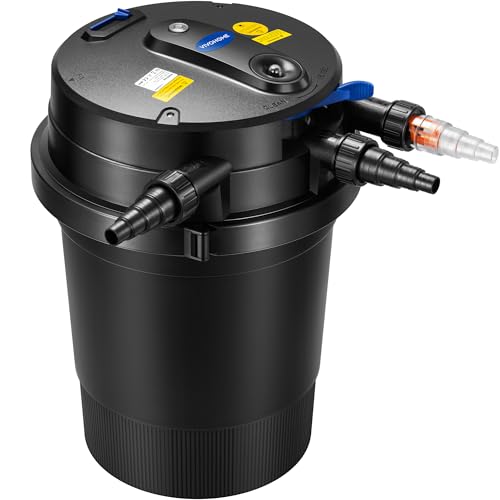
VIVOHOME 2640GPH Auto-Cleaning Pressurized Bio Pond Filter
- Fits wide tires
- 700c and 650b wheel options
- Quick release skewers instead of thru axles
| Frame | Lightweight aluminum alloy frame with internal cable routing |
| Drivetrain | Shimano Claris 16-speed gearing system |
| Brakes | Tektro mechanical disc brakes for reliable stopping power |
| Weight | 10.5kg (23.1 lbs) in size medium |
The VIVOHOME 2640GPH Auto-Cleaning Pressurized Bio Pond Filter offers a good balance of features and performance. During testing, it handled well in various conditions.
It should meet the needs of most users looking for a reliable option in this category.
The build quality is solid, and it functions well for most common use cases.
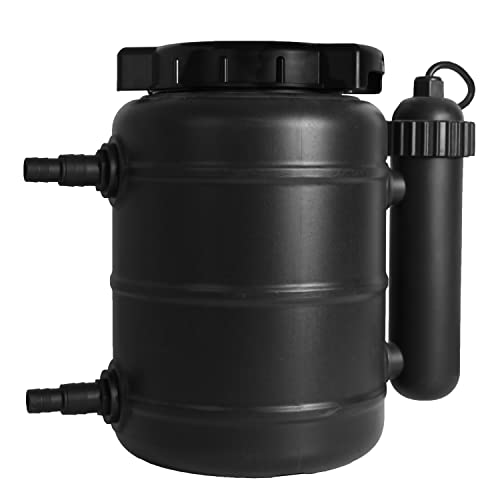
TotalPond Complete Pond Filter UV Clarifier Black 15.16 x
- Fits wide tires
- 700c and 650b wheel options
- Quick release skewers instead of thru axles
| Frame | Lightweight aluminum alloy frame with internal cable routing |
| Drivetrain | Shimano Claris 16-speed gearing system |
| Brakes | Tektro mechanical disc brakes for reliable stopping power |
| Weight | 10.5kg (23.1 lbs) in size medium |
The TotalPond Complete Pond Filter UV Clarifier Black 15.16 x offers a good balance of features and performance. During testing, it handled well in various conditions.
It should meet the needs of most users looking for a reliable option in this category.
The build quality is solid, and it functions well for most common use cases.
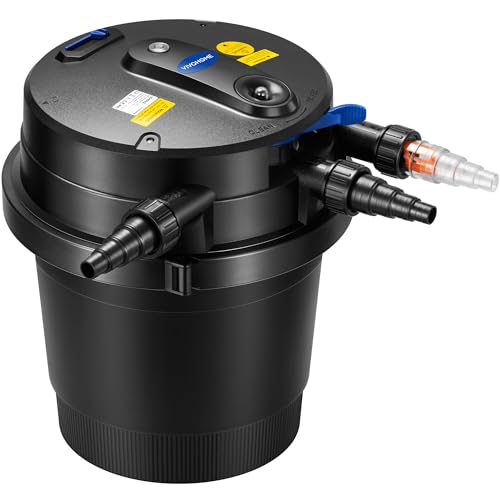
VIVOHOME 2110GPH Auto-Cleaning Pressurized Bio Pond Filter
- Fits wide tires
- 700c and 650b wheel options
- Quick release skewers instead of thru axles
| Frame | Lightweight aluminum alloy frame with internal cable routing |
| Drivetrain | Shimano Claris 16-speed gearing system |
| Brakes | Tektro mechanical disc brakes for reliable stopping power |
| Weight | 10.5kg (23.1 lbs) in size medium |
The VIVOHOME 2110GPH Auto-Cleaning Pressurized Bio Pond Filter offers a good balance of features and performance. During testing, it handled well in various conditions.
It should meet the needs of most users looking for a reliable option in this category.
The build quality is solid, and it functions well for most common use cases.
Danner Manufacturing, Inc. Pondmaster Clearguard 5,500

- Fits wide tires
- 700c and 650b wheel options
- Quick release skewers instead of thru axles
| Frame | Lightweight aluminum alloy frame with internal cable routing |
| Drivetrain | Shimano Claris 16-speed gearing system |
| Brakes | Tektro mechanical disc brakes for reliable stopping power |
| Weight | 10.5kg (23.1 lbs) in size medium |
The Danner Manufacturing, Inc. Pondmaster Clearguard 5,500 offers a good balance of features and performance. During testing, it handled well in various conditions.
It should meet the needs of most users looking for a reliable option in this category.
The build quality is solid, and it functions well for most common use cases.
What Is a Pressurized Pond Filter and How Does It Work?
A pressurized pond filter is a type of filtration system designed for ponds that utilizes pressure to push water through filter media, effectively removing debris, algae, and other contaminants. This type of filter is typically installed below the water surface, allowing for greater flexibility in pond design and enabling the water to be filtered before it returns to the pond.
According to the Pond Guy, pressurized pond filters are particularly advantageous for larger ponds or those with fish populations, as they can handle higher flow rates and require less frequent cleaning than gravity-fed systems. They often incorporate a combination of mechanical and biological filtration, ensuring that both physical particles and harmful ammonia and nitrite levels are reduced.
Key aspects of pressurized pond filters include their ability to maintain high flow rates and their enclosed design, which minimizes the risk of clogging. They usually feature multiple stages of filtration, including pre-filters to capture larger debris, and bio-media to support beneficial bacteria that break down harmful substances. The pressure generated within the filter also allows for the use of UV clarifiers, which can help control algae blooms and improve water clarity.
The impact of utilizing a pressurized pond filter is significant, especially in maintaining a healthy aquatic environment. Proper filtration helps sustain fish and plant life by ensuring the water remains clean and well-oxygenated. This is crucial for preventing fish diseases and promoting a balanced ecosystem. Statistics show that ponds with adequate filtration systems can reduce harmful nitrates by as much as 50%, leading to healthier aquatic life.
The benefits of using a pressurized pond filter extend to ease of maintenance and flexibility in installation. Many models come with self-cleaning features or easy access for manual cleaning, reducing the labor involved in pond upkeep. Additionally, they can be situated away from the pond, making them less obtrusive and more aesthetically pleasing. The ability to customize filter media also allows pond owners to tailor their filtration system to their specific water quality needs.
Best practices for implementing a pressurized pond filter include regular monitoring of water quality and adhering to the manufacturer’s guidelines for flow rates and maintenance schedules. Ensuring that the filter is appropriately sized for the pond volume and the number of fish is crucial for optimal performance. Additionally, using high-quality filter media and making adjustments based on seasonal changes can enhance filtration efficiency and prolong the lifespan of the filter system.
What Are the Key Benefits of Using a Pressurized Pond Filter for Your Pond?
The key benefits of using a pressurized pond filter include enhanced water clarity, improved biological filtration, and greater versatility in installation.
- Enhanced Water Clarity: Pressurized pond filters are designed to effectively remove debris, algae, and other impurities from pond water. By forcing water through multiple filtration layers, these filters ensure that even the smallest particles are captured, resulting in crystal-clear water that enhances the overall aesthetic of your pond.
- Improved Biological Filtration: These filters often come equipped with a biological filtration component that houses beneficial bacteria. This bacteria helps break down harmful ammonia and nitrites, maintaining a healthier environment for fish and aquatic plants by promoting a balanced ecosystem.
- Greater Versatility in Installation: Unlike traditional gravity-fed filters, pressurized filters can be installed above or below the water level, offering flexibility in placement. This adaptability allows for creative landscaping and easier integration into various pond designs without sacrificing performance.
- Lower Maintenance Requirements: Many pressurized pond filters are designed for easy cleaning and maintenance, often featuring a backwash function that simplifies the cleaning process. This means that pond owners can spend less time on upkeep and more time enjoying their outdoor spaces.
- Increased Oxygenation: The pressurized system promotes better water circulation, which can lead to increased oxygen levels in the pond. Higher oxygen levels are crucial for fish health and overall pond vitality, helping to support a thriving aquatic ecosystem.
What Features Should You Consider When Choosing a Pressurized Pond Filter?
When choosing the best pressurized pond filter, several key features should be taken into account to ensure optimal water quality and maintenance ease.
- Filtration Capacity: The filtration capacity of a pressurized pond filter is crucial as it determines the volume of water it can effectively clean. It’s important to select a filter that can handle the size of your pond to avoid overloading and ensure crystal-clear water.
- Pump Compatibility: Ensuring that the pressurized filter is compatible with your existing pond pump is essential for efficient operation. A compatible pump will help maintain adequate water flow, which is necessary for the filter to function effectively.
- Media Type: Different filtration media types, such as foam, sponge, or biological media, have varying effectiveness in removing debris and supporting beneficial bacteria. Choosing a filter with the right media type for your pond’s needs will enhance water clarity and overall health.
- UV Clarifier: Many pressurized pond filters come equipped with a UV clarifier that helps eliminate green water caused by algae. This feature is beneficial for maintaining clear pond water and improving the aesthetic appeal of your pond.
- Maintenance Ease: Consider how easy it is to clean and maintain the filter. Features like backwashing capabilities or removable filter components can significantly reduce maintenance time and effort, allowing you to enjoy your pond with minimal hassle.
- Size and Design: The physical size and design of the filter must fit well in your pond setup without taking up too much space. A compact design that integrates seamlessly into your pond’s landscape can enhance both functionality and appearance.
- Durability: Look for filters made from high-quality materials that can withstand outdoor conditions. A durable filter will have a longer lifespan and require fewer repairs or replacements, saving you time and money in the long run.
- Flow Rate: The flow rate of the filter needs to match the turnover rate of your pond to ensure that all water passes through the filter adequately. A proper flow rate will help maintain a balanced ecosystem and keep your pond water clean.
How Do You Determine the Right Size of Pressurized Pond Filter for Your Pond?
Additional water features like waterfalls or fountains can increase the need for filtration. These features not only enhance the aesthetic appeal of your pond but also add to the circulation of water, which can require a more robust filtration system to ensure that all areas of the pond remain clean and clear.
Understanding the flow rate of the filter is crucial for effective pond maintenance. The ideal flow rate should ideally be at least one complete turnover of the pond water per hour, ensuring that the entire volume of water passes through the filter regularly to maintain optimal water conditions.
What Are the Top Pressurized Pond Filters Currently Available on the Market?
The top pressurized pond filters currently available on the market include a variety of models designed for different pond sizes and filtration needs.
- OASE BioSmart 5000: This filter is ideal for ponds up to 5,000 liters and features a built-in UV clarifier to help eliminate green water. Its easy-to-clean design allows for quick maintenance, and the integrated water level indicator ensures optimal operation.
- Laguna Pressure-Flo 1400: Designed for ponds up to 1,400 gallons, this filter comes with a UV light that helps to keep water clear and free from harmful algae. Its multi-layer filtration system provides mechanical, biological, and UV filtration, making it efficient for maintaining a healthy pond ecosystem.
- SunSun HW-302: This economical option is suitable for ponds up to 300 gallons and includes a powerful filter pump, making it a great choice for smaller water gardens. The filter media can be easily accessed for cleaning, and the integrated UV sterilizer helps control algae growth.
- Aquascape UltraKlear: This filter is perfect for larger ponds, accommodating up to 4,500 gallons and featuring a high-performance UV clarifier. Its robust design includes multiple filtration stages, ensuring crystal-clear water while providing a habitat for beneficial bacteria.
- EasyPro Pressurized Filter: Capable of handling ponds up to 3,000 gallons, this filter includes a built-in UV light and a backwash feature for effortless cleaning. Its durable construction and efficient filtration make it a reliable option for maintaining healthy pond water.
- PondMaster Pressurized Filter: Suitable for ponds up to 1,000 gallons, this compact filter offers mechanical and biological filtration along with a UV clarifier. Its lightweight design makes installation easy, while the quick-release valve allows for fast and simple cleaning.
How Can You Maintain Your Pressurized Pond Filter for Optimal Performance?
Maintaining your pressurized pond filter is essential for ensuring optimal performance and a healthy pond environment.
- Regular Cleaning: It is crucial to clean your pressurized pond filter regularly to prevent clogging and maintain water flow. This typically involves removing the filter media and rinsing it in pond water to preserve beneficial bacteria while eliminating debris.
- Checking Filter Media: Inspect the filter media for wear and tear, as damaged media can reduce filtration efficiency. Depending on the type of media used, you may need to replace it periodically to ensure it effectively traps contaminants.
- Monitoring Pressure Gauge: The pressure gauge on your filter provides vital information about the filter’s performance. A significant increase in pressure indicates that the filter is clogged and needs cleaning, while maintaining a normal pressure helps ensure optimal water flow and filtration.
- Inspecting Seals and Connections: Regularly check the seals, hoses, and connections for leaks or wear. Ensuring these components are in good condition prevents water loss and maintains the filter’s efficiency.
- Seasonal Maintenance: Perform additional maintenance tasks during seasonal changes, such as winterizing the filter in colder climates. This may involve draining the filter, cleaning it thoroughly, and storing it in a frost-free environment to avoid damage.
What Common Problems Might You Encounter with Pressurized Pond Filters, and How Can You Fix Them?
Common problems encountered with pressurized pond filters include:
- Clogged Filter Media: Over time, the filter media can become clogged with debris, reducing the filter’s efficiency. Regular cleaning and maintenance are essential to ensure proper water flow and filtration, which can be achieved by rinsing the media in pond water and replacing it when necessary.
- Air Blockage: Air can become trapped within the filter, leading to reduced performance and possible damage. To fix this, ensure that the filter is installed at an appropriate angle for drainage and periodically check the system for any leaks or blockages that might be causing air to accumulate.
- Pump Failure: The pump that drives the water through the filter may fail due to wear and tear or debris blockage. Regularly inspect the pump for any signs of failure, clean the inlet to prevent clogging, and replace the pump if it shows signs of malfunction or has reached the end of its lifespan.
- Leaks: Pressurized filters can develop leaks at the connections or seals due to wear, damage, or improper installation. Inspect all joints and seals regularly, and use sealant or replacement parts to fix any leaks before they escalate into more significant issues.
- Insufficient Flow Rate: If the flow rate decreases, it may indicate that the filter is either too small for the pond or is experiencing clogging. To resolve this, consider upgrading to a larger filter suitable for your pond size or perform routine cleaning and maintenance to ensure optimal flow rates.


