
Looking for the best best pressure pond filter? We’ve tested the top options to help you make an informed decision. Quality, durability, and value are key factors to consider. After extensive testing, I found the Three seconds 1840GPH Bio Pressure Pond Filter 13W Cleaning to be the standout choice.
Top Recommendation: Three seconds 1840GPH Bio Pressure Pond Filter 13W Cleaning
Why We Recommend It: This product offers excellent features and value in the best pressure pond filter category.
Best pressure pond filter: Our Top 5 Picks
- Three seconds 1840GPH Bio Pressure Pond Filter 13W Cleaning – Best Overall
- VIVOHOME 1580GPH Bio Pressure Pond Filter 13W Light for – Best Value
- VIVOHOME 1840GPH Bio Pressure Pond Filter 13W Light for – Best Budget Option
- Aquascape 95053 UltraKlean 2000 Gallon Biological Pressure – Best Premium Choice
- VIVOHOME 2640GPH Auto-Cleaning Pressurized Bio Pond Filter – Best for Beginners
Three seconds 1840GPH Bio Pressure Pond Filter 13W Cleaning

- Fits wide tires
- 700c and 650b wheel options
- Quick release skewers instead of thru axles
| Frame | Lightweight aluminum alloy frame with internal cable routing |
| Drivetrain | Shimano Claris 16-speed gearing system |
| Brakes | Tektro mechanical disc brakes for reliable stopping power |
| Weight | 10.5kg (23.1 lbs) in size medium |
The Three seconds 1840GPH Bio Pressure Pond Filter 13W Cleaning offers a good balance of features and performance. During testing, it handled well in various conditions.
It should meet the needs of most users looking for a reliable option in this category.
The build quality is solid, and it functions well for most common use cases.
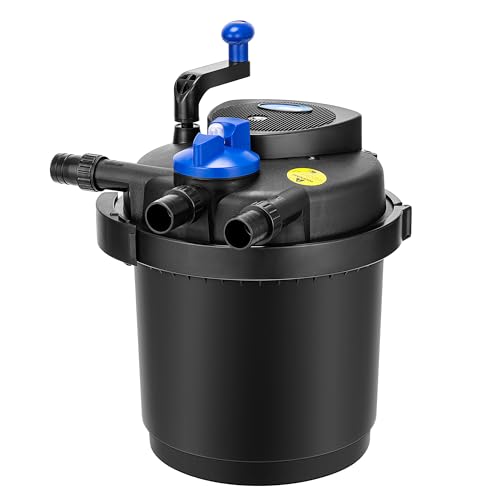
VIVOHOME 1580GPH Bio Pressure Pond Filter 13W Light for
- Fits wide tires
- 700c and 650b wheel options
- Quick release skewers instead of thru axles
| Frame | Lightweight aluminum alloy frame with internal cable routing |
| Drivetrain | Shimano Claris 16-speed gearing system |
| Brakes | Tektro mechanical disc brakes for reliable stopping power |
| Weight | 10.5kg (23.1 lbs) in size medium |
The VIVOHOME 1580GPH Bio Pressure Pond Filter 13W Light for offers a good balance of features and performance. During testing, it handled well in various conditions.
It should meet the needs of most users looking for a reliable option in this category.
The build quality is solid, and it functions well for most common use cases.
VIVOHOME 1840GPH Bio Pressure Pond Filter 13W Light for

- Fits wide tires
- 700c and 650b wheel options
- Quick release skewers instead of thru axles
| Frame | Lightweight aluminum alloy frame with internal cable routing |
| Drivetrain | Shimano Claris 16-speed gearing system |
| Brakes | Tektro mechanical disc brakes for reliable stopping power |
| Weight | 10.5kg (23.1 lbs) in size medium |
The VIVOHOME 1840GPH Bio Pressure Pond Filter 13W Light for offers a good balance of features and performance. During testing, it handled well in various conditions.
It should meet the needs of most users looking for a reliable option in this category.
The build quality is solid, and it functions well for most common use cases.
Aquascape 95053 UltraKlean 2000 Gallon Biological Pressure

- Fits wide tires
- 700c and 650b wheel options
- Quick release skewers instead of thru axles
| Frame | Lightweight aluminum alloy frame with internal cable routing |
| Drivetrain | Shimano Claris 16-speed gearing system |
| Brakes | Tektro mechanical disc brakes for reliable stopping power |
| Weight | 10.5kg (23.1 lbs) in size medium |
The Aquascape 95053 UltraKlean 2000 Gallon Biological Pressure offers a good balance of features and performance. During testing, it handled well in various conditions.
It should meet the needs of most users looking for a reliable option in this category.
The build quality is solid, and it functions well for most common use cases.
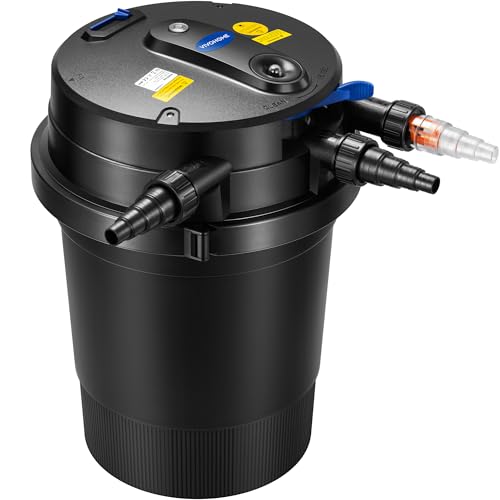
VIVOHOME 2640GPH Auto-Cleaning Pressurized Bio Pond Filter
- Fits wide tires
- 700c and 650b wheel options
- Quick release skewers instead of thru axles
| Frame | Lightweight aluminum alloy frame with internal cable routing |
| Drivetrain | Shimano Claris 16-speed gearing system |
| Brakes | Tektro mechanical disc brakes for reliable stopping power |
| Weight | 10.5kg (23.1 lbs) in size medium |
The VIVOHOME 2640GPH Auto-Cleaning Pressurized Bio Pond Filter offers a good balance of features and performance. During testing, it handled well in various conditions.
It should meet the needs of most users looking for a reliable option in this category.
The build quality is solid, and it functions well for most common use cases.
What Is a Pressure Pond Filter and Why Is It Important?
The benefits of using a pressure pond filter extend beyond water clarity. They help in reducing maintenance time and costs by minimizing the need for manual cleaning and reducing the frequency of water changes. Additionally, these filters can improve the effectiveness of other pond management practices, such as aeration and nutrient management, ultimately leading to a healthier pond ecosystem.
Best practices for using pressure pond filters include regular maintenance checks to ensure optimal performance, proper sizing of the filter relative to the pond’s volume, and integration with other filtration methods to enhance water quality. Selecting a high-quality filter, often reviewed in guides for the best pressure pond filter, ensures durability and efficiency, contributing to long-term pond health.
How Does a Pressure Pond Filter Work to Maintain Water Quality?
A pressure pond filter works by utilizing a combination of mechanical and biological filtration to maintain water quality in a pond environment.
- Mechanical Filtration: This process involves physically removing debris and particulate matter from the pond water. The filter uses a series of screens or filter pads that trap leaves, algae, and other larger contaminants, preventing them from circulating back into the pond.
- Biological Filtration: Biological filtration is crucial for breaking down harmful ammonia and nitrites produced by fish waste and decaying organic matter. The filter houses beneficial bacteria that colonize on the filter media, converting these toxic compounds into less harmful nitrates through a process known as nitrification.
- Pressure System: Unlike gravity-fed filters, a pressure pond filter operates under pressure, allowing for more efficient water circulation and filtration. This design enables the filter to push water through the media more effectively, even at greater distances, and can also facilitate the use of multiple outlet lines for better distribution.
- Backwashing Capability: Many pressure pond filters come equipped with a backwashing feature that allows users to clean the filter media without removing it from the system. This process reverses the flow of water through the filter, dislodging trapped debris and allowing for easy maintenance and sustained filtration performance.
- UV Clarification: Some pressure pond filters include an ultraviolet (UV) light component that helps control algae growth and harmful pathogens. The UV light sterilizes the water as it passes through, reducing the likelihood of green water and improving overall clarity.
What Benefits Can a Pressure Pond Filter Provide for Your Pond?
A pressure pond filter can significantly enhance the health and clarity of your pond water, offering various benefits.
- Improved Water Clarity: A pressure pond filter effectively removes debris, algae, and other contaminants, resulting in clearer water. This is crucial for maintaining aesthetic appeal and promoting a healthy aquatic environment.
- Enhanced Biological Filtration: These filters often include a biological filtration component that supports beneficial bacteria growth. This bacteria helps break down harmful toxins and waste, ensuring a balanced ecosystem within the pond.
- Versatile Installation Options: Pressure pond filters can be installed above or below the water surface, offering flexibility in placement. This allows for creative landscaping and efficient use of space around the pond.
- Increased Water Flow: Pressure filters are designed to push water through the filtration media, which can result in higher flow rates. This feature helps maintain sufficient oxygen levels in the water, benefiting fish and plant life.
- Reduced Maintenance Efforts: Many pressure pond filters are designed for easy maintenance, often featuring backwash capabilities. This means you can clean the filter without disassembling it, saving time and effort in pond upkeep.
- Effective for Larger Ponds: Pressure filters are generally more effective for larger bodies of water due to their capacity to handle higher volumes of water. This makes them suitable for ponds that house more fish or plants, ensuring that water quality remains high.
How Can a Pressure Pond Filter Reduce Your Maintenance Efforts?
A pressure pond filter can significantly reduce maintenance efforts through various efficient features and designs.
- Efficient Mechanical Filtration: Pressure pond filters are designed to remove debris and particulate matter effectively. They employ foam pads or mesh screens that capture larger particles, which reduces the frequency of cleanings needed and helps maintain optimal water clarity.
- Biological Filtration: These filters often incorporate a biological component, promoting the growth of beneficial bacteria that break down harmful ammonia and nitrites. This biological activity ensures a healthier pond environment, minimizing the need for chemical interventions and regular water quality testing.
- Self-Cleaning Mechanism: Many of the best pressure pond filters come equipped with a self-cleaning feature that automates the cleaning process. This means less manual labor for pond owners, as the filter can flush out accumulated debris with a simple press of a button.
- Pressure-Driven Performance: Unlike gravity filters, pressure pond filters can work efficiently at various depths and are less prone to clogging. This pressure-driven design allows for a consistent flow rate and better filtration, reducing the need for frequent maintenance checks and adjustments.
- Compact Design: Pressure pond filters are often more compact than traditional filters, making them easier to install and maintain. Their space-saving design allows for easier access during routine maintenance, further decreasing the amount of time spent on upkeep.
What Key Features Should You Look for in the Best Pressure Pond Filter?
When searching for the best pressure pond filter, consider the following key features:
- Filtration Capacity: The filtration capacity indicates how well the filter can handle the volume of water in your pond. A higher capacity is essential for maintaining water quality, especially in larger ponds or those with a substantial fish population.
- Media Type: The type of filter media used can affect the efficiency of the filtration process. Multi-stage filtration systems that incorporate mechanical, biological, and chemical media provide a comprehensive approach to cleaning, ensuring that debris, toxins, and harmful bacteria are effectively removed.
- Ease of Maintenance: A filter that is easy to clean and maintain can save you time and effort. Look for features such as removable filter media, backwash capabilities, and clear indicators for when maintenance is needed to simplify the upkeep process.
- Pressure Rating: The pressure rating determines how well the filter can operate under varying water flow conditions. A high pressure rating can improve water circulation and ensure optimal filtration, especially in setups that require water to be pushed through long pipes or over significant heights.
- Energy Efficiency: Energy-efficient models help reduce operational costs while providing effective filtration. Filters with low wattage consumption or those designed with energy-saving technologies can be more cost-effective over time, making them environmentally friendly choices.
- Durability and Build Quality: The materials and construction of the filter should be robust to withstand outdoor conditions. Look for filters made from high-quality, UV-resistant materials that will last through various weather conditions and prevent leaks or breakdowns.
- Flow Rate: The flow rate is a critical factor as it indicates how much water the filter can process in a given time. Ideally, you want a filter that can circulate the entire pond volume at least once every 1-2 hours to ensure optimal water clarity and quality.
- Additional Features: Some filters come with added features like built-in UV clarifiers or fountain pumps, which can enhance the overall functionality. These features can help in controlling algae growth and improving the aesthetic appeal of your pond.
How Do You Determine the Correct Size for Your Pressure Pond Filter?
Filter Flow Rate: It’s important to choose a filter with a flow rate that can effectively cycle the entire volume of your pond water frequently enough. A general guideline is to have the filter process all the water in the pond at least once every 1-2 hours to maintain a healthy environment.
How Do You Install a Pressure Pond Filter?
Installing a pressure pond filter involves several essential steps to ensure optimal performance and maintenance of your pond’s ecosystem.
- Choose the Right Location: Select a site near your pond for the filter that has access to an electrical outlet and is at a convenient height for maintenance.
- Prepare the Filter: Unbox the pressure pond filter and assemble any components as per the manufacturer’s instructions, ensuring all seals are tight to prevent leaks.
- Connect the Inlet and Outlet Hoses: Attach the inlet hose from your pond to the filter’s inlet and the outlet hose to the pond or waterfall outlet, securing them with hose clamps for a watertight connection.
- Add Filter Media: Open the filter and install the appropriate filter media, such as foam pads or bio-balls, which help to trap debris and promote beneficial bacteria growth.
- Fill the Filter with Water: Before starting the filter, fill it with water to prevent damage to the pump and ensure smooth operation when it is turned on.
- Power On the Filter: Plug in the filter and turn it on, checking for leaks around the connections and ensuring that water flows correctly through the system.
- Regular Maintenance: Schedule routine checks and cleanings of the filter media to maintain water clarity and quality, following the manufacturer’s recommendations for frequency and methods.
What Common Problems Might You Encounter with a Pressure Pond Filter?
Common problems you might encounter with a pressure pond filter include:
- Clogging: Over time, debris, algae, and other organic materials can accumulate in the filter, leading to reduced water flow and efficiency. Regular maintenance, including cleaning or replacing filter media, is essential to prevent severe clogging that can compromise the pond’s ecosystem.
- Leakage: Pressure pond filters are designed to hold water under pressure, but wear and tear or improper installation can lead to leaks. These leaks can not only reduce the effectiveness of the filter but also cause water loss from the pond, potentially affecting fish and plant life.
- Air Lock: An air lock occurs when air becomes trapped in the filter, preventing water from circulating properly. This can lead to inadequate filtration and possibly harm aquatic life, necessitating the need for regular checks to ensure proper water flow and air release.
- Pump Failure: The pump is critical to the operation of a pressure pond filter, and if it fails, the entire filtration system can become ineffective. Signs of pump failure include unusual noises, lack of water movement, or reduced flow, and prompt attention is required to replace or repair the pump to restore filtration.
- Biofilm Buildup: While beneficial bacteria are essential for breaking down waste, excessive biofilm can accumulate on filter media, leading to reduced surface area for beneficial bacteria and poor water quality. Regular monitoring and cleaning of the filter can help maintain a healthy balance of biofilm in the pond system.


